
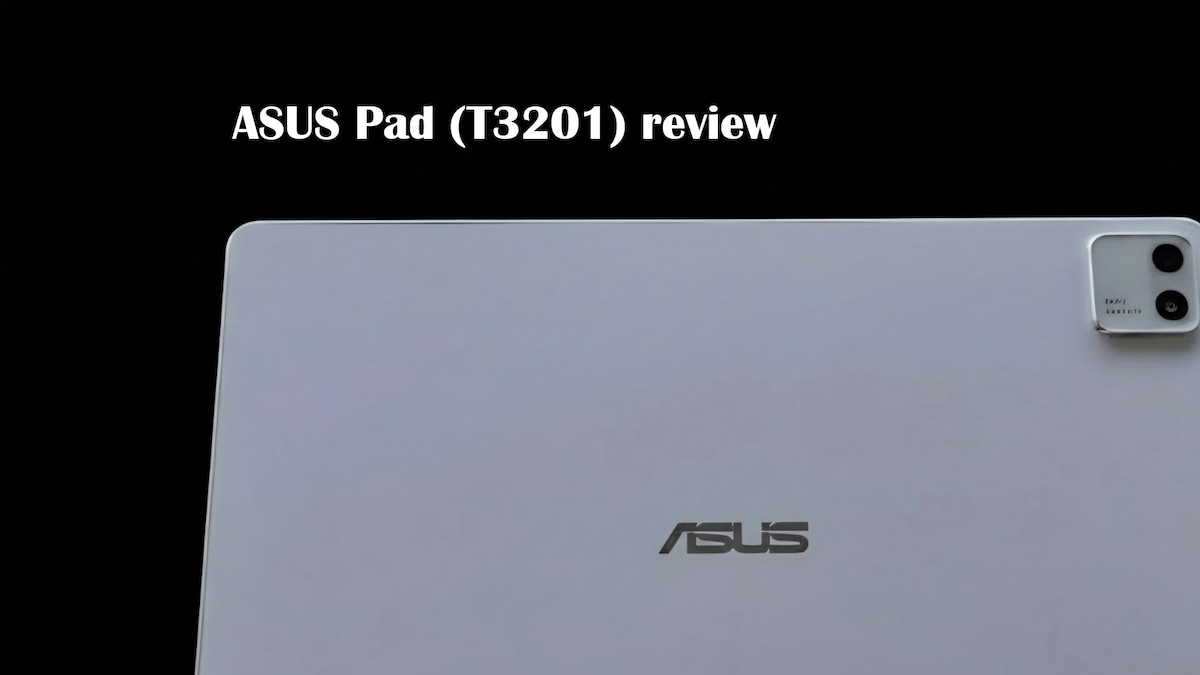
അസൂസ് പാഡ് (T3201) വിനോദത്തിനും വായനയ്ക്കും സെക്കൻഡ് സ്ക്രീനായും ഉപയോഗിക്കാൻ മികച്ചൊരു ടാബ്ലെറ്റാണ്. 12.2 ഇഞ്ച് OLED ഡിസ്പ്ലേയും മീഡിയടെക് ഡൈമെൻസിറ്റി 8300 ചിപ്സെറ്റും ഇതിന്റെ പ്രത്യേകതയാണ്. എന്നാൽ ലാപ്ടോപ്പിന് പകരമായി ഉപയോഗിക്കാൻ ആഗ്രഹിക്കുന്നവർ ഇതിന്റെ പരിമിതികൾ കൂടി പരിഗണിക്കേണ്ടതുണ്ട്. 45,990 രൂപ മുതലാണ് ഇതിന്റെ വില ആരംഭിക്കുന്നത്.
For buyers who will use the ASUS Pad primarily as an entertainment device, a reading companion, or a second screen alongside a Windows PC, it is a compelling and well-executed product. For those approaching it as a laptop replacement or heavy productivity machine, the gaps require honest assessment before purchase.
ASUS is back in India's tablet market with the ASUS Pad (T3201), bringing a high-resolution OLED display, slim design and a MediaTek Dimensity 8300 chipset to the mid-premium segment.
Priced at ₹45,990 for 128GB and ₹49,999 for 256GB, the tablet is positioned as an entertainment and everyday productivity device. Here's how it fares.
Design and display
The ASUS Pad is 6.5mm thick and weighs 523 grams, making it fairly easy to carry despite its large screen. The fibreglass back helps keep the weight down, while the curved edges make it comfortable to hold. A protective folio case is included in the box.
The highlight is its 12.2-inch 2.8K dual-layer OLED display with a 144Hz refresh rate. ASUS quotes 600 nits of typical brightness and up to 2,000 nits peak brightness.
The panel produces strong contrast and deep blacks, while the high refresh rate keeps scrolling and animations smooth. Its 3:2 aspect ratio is particularly useful for reading, browsing and working with documents, although widescreen videos leave more unused space.
Four speakers with Dolby Atmos support round off the entertainment experience.
Performance and software
The tablet runs on MediaTek's Dimensity 8300 processor with 8GB of LPDDR5X RAM and up to 256GB of UFS 3.1 storage. A microSD card can expand storage by up to 1TB.
For everyday tasks such as browsing, streaming, video calls and document work, the hardware is suitably specced. It is not, however, positioned as a flagship performance tablet.
The ASUS Pad runs Android 16 and supports Wi-Fi 6E and Bluetooth 5.3. Its USB Type-C port supports USB 3.0, DisplayPort 1.4 and Power Delivery 3.0.
ASUS' GlideX software also allows the tablet to work more closely with a compatible PC, giving it some added utility beyond being a standalone Android tablet.
Cameras and battery
The tablet has a 13MP rear camera and a 5MP front camera. These are primarily functional -- useful for video calls, scanning documents and basic photography.
A 9,000mAh battery powers the device, with support for 45W charging. ASUS says the bundled charger can deliver up to 50% charge in 30 minutes.
Heavy continuous use -- sustained gaming, 4K streaming at maximum brightness -- will compress that endurance. For the typical mix of work, reading, and entertainment, the battery is a strength rather than a compromise.
The missing piece
The biggest limitation is the lack of a keyboard in the box. The folio case can prop up the tablet, but anyone planning to use it for extensive typing will need to buy a keyboard separately.
That is worth considering because features such as GlideX and DisplayPort make the ASUS Pad more interesting as a PC companion. A bundled keyboard would have made that proposition stronger.
Verdict
The ASUS Pad's biggest strengths are its OLED display, lightweight design and practical features such as microSD expansion. At ₹45,990, it offers a compelling package for users who primarily want a large-screen tablet for entertainment, reading and everyday work.
Those looking for a laptop replacement, however, should factor in the additional cost of a keyboard.