
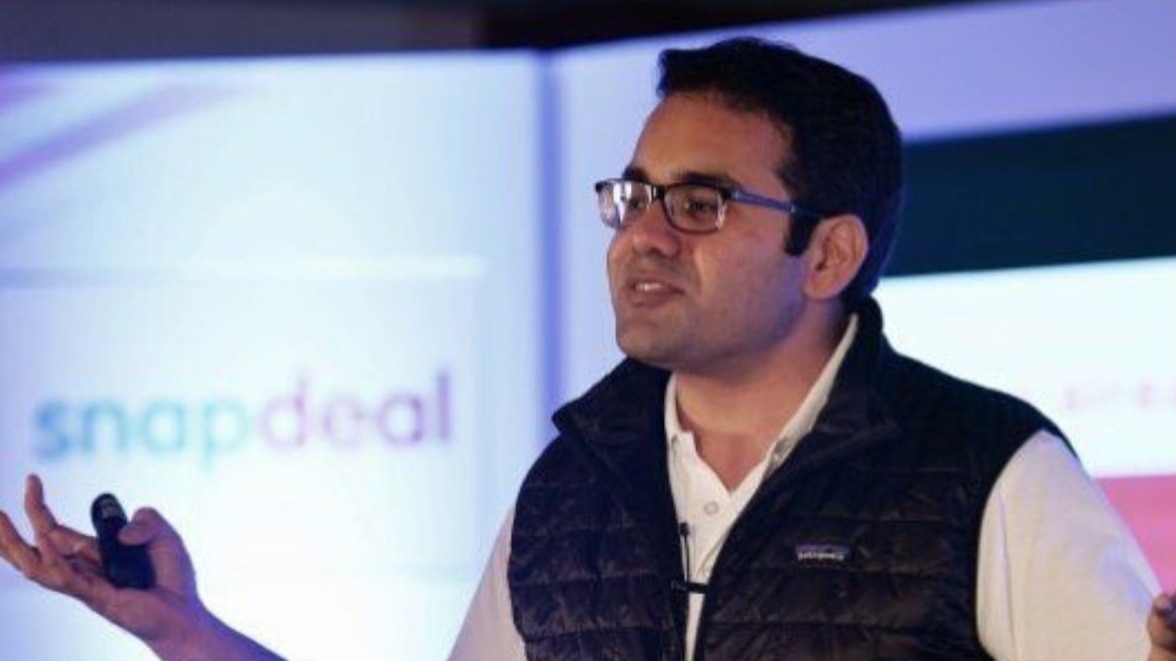
Snapdeal co-founder Kunal Bahl recalled his 2007 H-1B visa rejection after JD Vance suspended green-card applications for seven major tech firms on October 8. Bahl said, "Everytime t clampdown on H1B visas and immigration in the US, I would encourage those who are impacted to see it."
Snapdeal co-founder recalls his rejected H-1B visa application as US tightens restrictions on foreign workers and green-card sponsorship. As the United States intensifies scrutiny of skilled-worker immigration, entrepreneur Kunal Bahl has urged people affected by H-1B visa restrictions to look for opportunities beyond the immediate setback, drawing on his own experience of being denied a US work visa.
In a post on X on Friday, October 9, Bahl wrote, "Everytime there is a clampdown on H1B visas and immigration in the US, I would encourage those who are impacted to see it as something that can have a bright silver lining."
Bahl's remarks come a day after US Vice President JD Vance announced a suspension of permanent labour certification applications involving Microsoft, Adobe and several major IT services companies, including Infosys, Tata Consultancy Services, Wipro, HCL Technologies and Cognizant. The move forms part of the Trump administration's wider crackdown on skilled-worker immigration and alleged misuse of visa programmes.
'IT WAS CRUSHING AND NUMBING': BAHL RECALLS HIS OWN VISA REJECTION
Bahl had shared a similar message in September 2025, recounting how his H-1B visa application was rejected in 2007 while he was working at Microsoft.
"In 2007, sitting at my desk in Microsoft I got an email that my H1B visa was rejected. It was crushing and numbing at that moment, but life-changing eventually when I moved back to IN [India]," he wrote in the post, which garnered around one million views.
Offering encouragement to others facing similar uncertainty, he added: "To those impacted today, be positive. There is something much bigger & better in store for you."
His latest post revisits that experience as immigration restrictions and rising employer costs reshape the prospects of Indian professionals seeking opportunities in the US.
WHAT DID JD VANCE ANNOUNCE?
On October 8, Vance announced that the administration was suspending new and pending applications under the Permanent Labour Certification (PERM) programme involving seven technology companies. PERM is a key step in the employer-sponsored green-card process for many foreign workers.
The administration accused companies of laying off American employees while continuing to recruit foreign workers. Vance cited Microsoft's workforce reductions alongside its use of H-1B visas and green cards.
For Bahl, the rejection that once appeared devastating ultimately became a turning point. Returning to India, he went on to co-found Snapdeal and build a career in India's startup ecosystem.
As Washington tightens its scrutiny of foreign-worker programmes, Bahl's experience serves as a reminder that a rejected visa or a blocked career path need not define the trajectory of a professional's future. An unexpected disruption can also prompt a reassessment of career goals, entrepreneurial ambitions and opportunities closer to home.