
OpenAI is turning ChatGPT into a place where users can discover and use third-party apps without leaving the conversation. At its Dev Day event on Tuesday, the company announced that ChatGPT will now suggest apps to help users complete tasks. This change could shift how people access and use software.
OpenAI is turning ChatGPT into a place where users can discover and use third-party apps without leaving the conversation, potentially changing how software is accessed.
By Asmi Saxena
(Photo Credit : Reuters )
OpenAI is turning ChatGPT into more than a chatbot by making it a place where users can find and use other software without leaving the conversation.
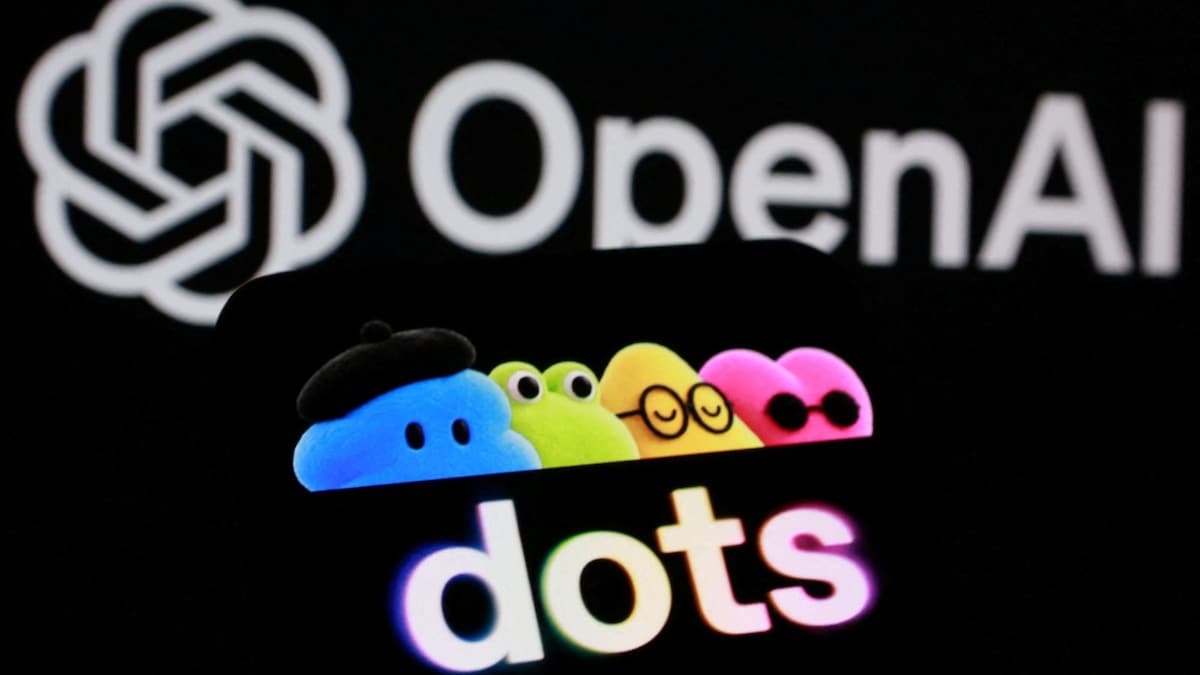
The company’s announcements at its Dev Day event on Tuesday, including new AI models and its agentic assistants called Dots, point to a broader strategy: ChatGPT could become the interface between users, software and AI agents.
OpenAI says ChatGPT has 1.2 billion weekly users. It will now start suggesting third-party apps during conversations when they can help users complete a task.
Users can then connect those apps and use them directly inside ChatGPT instead of opening a separate website or application.
OpenAI has also expanded its developer tools so companies can build versions of their apps that work directly inside ChatGPT.
Apps come into the conversation
OpenAI demonstrated apps from companies including Figma and Adobe running inside ChatGPT.
This means users can carry out tasks that would normally require them to leave ChatGPT, open another app and then switch back.
The company also introduced Sign in with ChatGPT, which lets users use their ChatGPT identity when signing into participating third-party apps.
The initial group includes 16 partners, including Cognition’s Devin, Notion, Vercel, T3, OpenClaw and Dactyl. OpenAI said more partners are expected to join.
For developers, this creates another way to reach users. Instead of relying mainly on app stores, websites or search engines to attract customers, developers could increasingly rely on AI assistants to put their software in front of users.
OpenAI is also launching an enterprise app marketplace for businesses, with more than 30 partners at launch. They include Adobe, Figma, HubSpot, Salesforce, ServiceNow, CrowdStrike and Palo Alto Networks.
Eligible enterprise customers will be able to use part of their existing OpenAI spending commitment towards approved software from these partners.
AI agents could change how people use software
OpenAI’s Dots take this idea a step further.
The autonomous agents can browse the web, operate a cloud computer and browser, and connect to applications to complete tasks for users.
OpenAI says Dots can connect to more than 4,000 applications.
Today, using software usually means first figuring out which app can do the job, opening it and then carrying out the task yourself.
With AI agents, the idea is different. Users can simply describe what they want done, while the agent figures out which tools and applications it needs to complete the task.
Dots can also conduct research using connected applications in read-only mode. Users must approve actions before the agent can carry them out.
What this means for software companies
OpenAI has not announced a comparable billing or revenue-sharing system for third-party apps, so its current focus appears to be on how users discover and access software, rather than replacing the App Store or Google Play’s role in payments and distribution.
For developers, ChatGPT could become another major channel for finding customers. But it could also mean that being visible and recommended inside ChatGPT becomes increasingly important.
For users, the change could make software feel less like a collection of separate apps and more like a set of tools that an AI assistant can find and use when needed.