
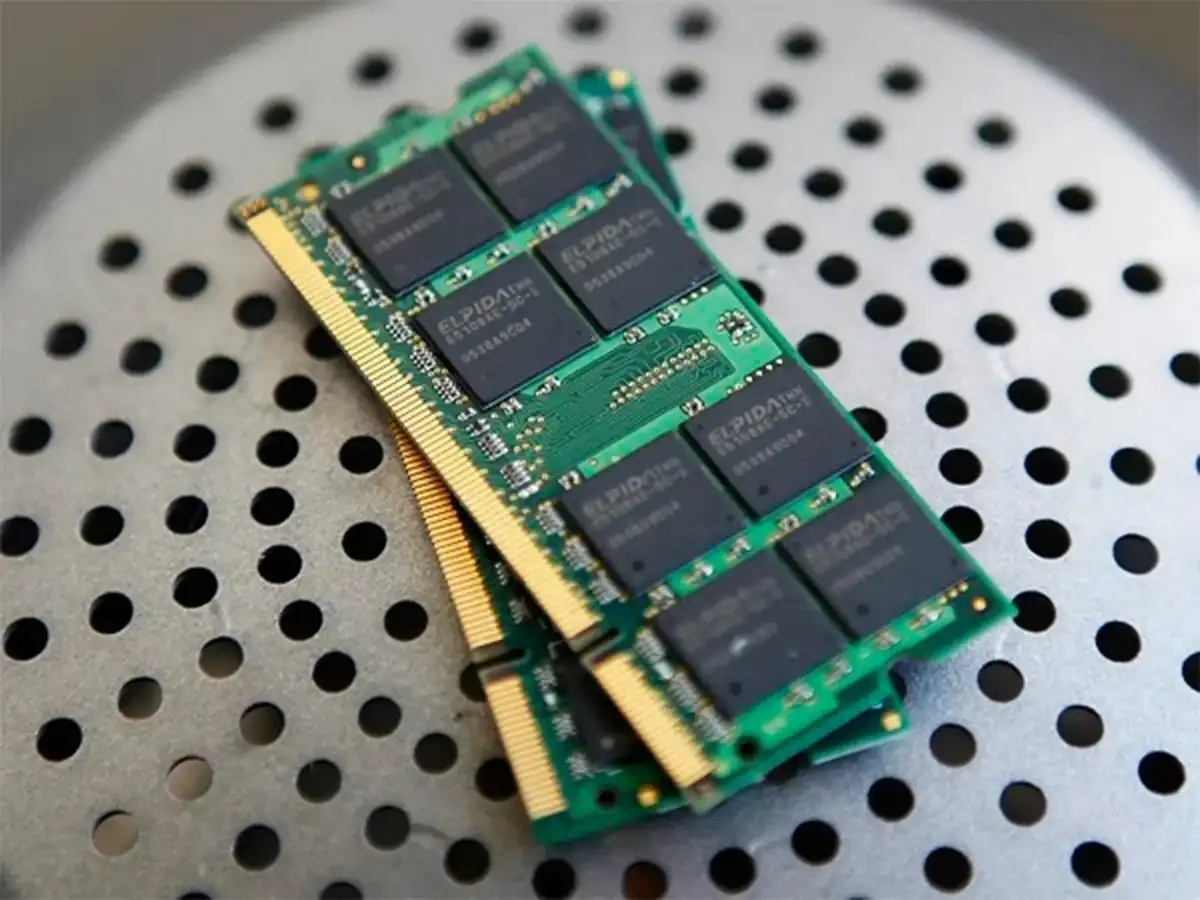
India is investing billions in semiconductors and electronics to become a global technology powerhouse. Electronics production rose from $31 billion in 2014-15 to $133 billion in 2024-25. Prime Minister Narendra Modi said, "this decade is India's 'Techade'". The government now treats building up semiconductor production as an urgent national priority.
Synopsis
India has committed billions of dollars in semiconductors, electronics manufacturing and artificial intelligence in a bid to become a global technology powerhouse. India's electronics production rose from about $31 billion in 2014-15 to $133 billion in 2024-25, according to the government, which wants the country to become a tech manufacturing hub.
Listen to this article in summarized format
India has committed billions of dollars in semiconductors, electronics manufacturing and artificial intelligence in a bid to become a global technology powerhouse.
Prime Minister Narendra Modi said at a groundbreaking ceremony for a chip assembly and testing facility that "this decade is India's 'Techade'".
But it faces a long road to match the output of rivals like the United States, China and South Korea.
Here are five key things to know about India's technology push:
Chips: 'national priority'
From 2017-2025, India imported about $150 billion worth of microchips -- components that power everything from smartphones to weaponry.
New Delhi has pledged more than $20 billion in government support to reduce that dependence.
Five assembly, testing and packaging plants are now in commercial production, involving US industry titan Micron, Indian firms Kaynes, CDIL and Suchi Semicon, and CG Semi, an Indian, Japanese and Thai joint venture.
But such facilities do not require the same expertise as core manufacturing and research.
Another seven projects have been approved, including from Tata Electronics, which is building a chip factory in Gujarat in partnership with Taiwan's PSMC.
India's semiconductor market, estimated at about $50 billion in 2026, is projected to reach $110 billion by 2030, and more than $200 billion by 2035, according to government figures.
New Delhi calls building up semiconductor production "an urgent national priority".
Electronics
India's electronics production rose from about $31 billion in 2014-15 to $133 billion in 2024-25, according to the government, which wants the country to become a tech manufacturing hub.
Global manufacturers including Apple and Samsung have expanded production in India, as companies seek to diversify supply chains beyond China.
New Delhi is also trying to encourage local supply chains through incentives for component makers.
Data centres
India generates vast quantities of digital data but has only about three percent of global data-centre capacity, according to government figures.
India believes it can provide "an alternative" to existing options, said Arvind Gupta, head of the Digital India Foundation think tank.
The government says projects worth nearly $70 billion are under construction, with a further $90 billion announced.
Investors include Indian conglomerates Reliance and Adani, as well as US tech giants Amazon, Microsoft and Meta.
The southeastern port of Visakhapatnam is a key centre, where Google is building a $15 billion AI hub.
Workforce strength
The world's most populous nation says it has nearly 20 percent of the global chip-design workforce.
Technology Minister Ashwini Vaishnaw says about 70,000 design engineers have been trained in the past four years.
Authorities have expanded semiconductor-related courses and programmes across hundreds of engineering colleges.
Modi, speaking to global technology firms at a semiconductor conference in New Delhi in September, said that "such a huge talent pool is a goldmine".
But Nomura, a Japanese investment bank, calls India "ground zero" for AI-driven job disruption in Asia, given its huge workforce and vast IT-services sector.
India's AI push has fuelled job-loss concerns, but the government expects AI-linked jobs to nearly double to 1.25 million by 2027.
Uphill task
Experts question whether India can translate ambitious plans into a competitive technology ecosystem.
"India... has to navigate the complicated geopolitics of technology," Gupta said, adding it faced three key challenges.
Those are "access to global capital", as well as "attracting and retaining top global talent" and "sourcing the hardware resources that are the foundation to these technologies".
(Catch all the Technology News News, and Latest News Updates on The Economic Times.)