
Dyson pulled its $499.99 AI toothbrush from markets on September 1 after customers reported water leakage and malfunctions. The device took six years to build and runs on 16 million lines of code. James Dyson said, "We wanted to solve three fundamental problems: how to see those gaps, remove plaque."
Dyson introduced an innovative AI toothbrush designed to enhance dental care, but shortly after its release, numerous customers faced issues like water leakage and device malfunctions. This led to the quick withdrawal of the product from markets such as France, the US, and Singapore. Dyson attributed the problems to manufacturing defects and is actively working to rectify them while ensuring robust customer support.
Singapore-based British multinational Dyson spent six years to develop a tool that uses a camera, machine learning, and a precision water jet to do a daily activity that most of the world do in the morning lucidly: cleaning your teeth. But after a few weeks of its launch on September 1, the $499.99 Dyson brush was pulled from sale in several markets after early customers reported problems with the device.
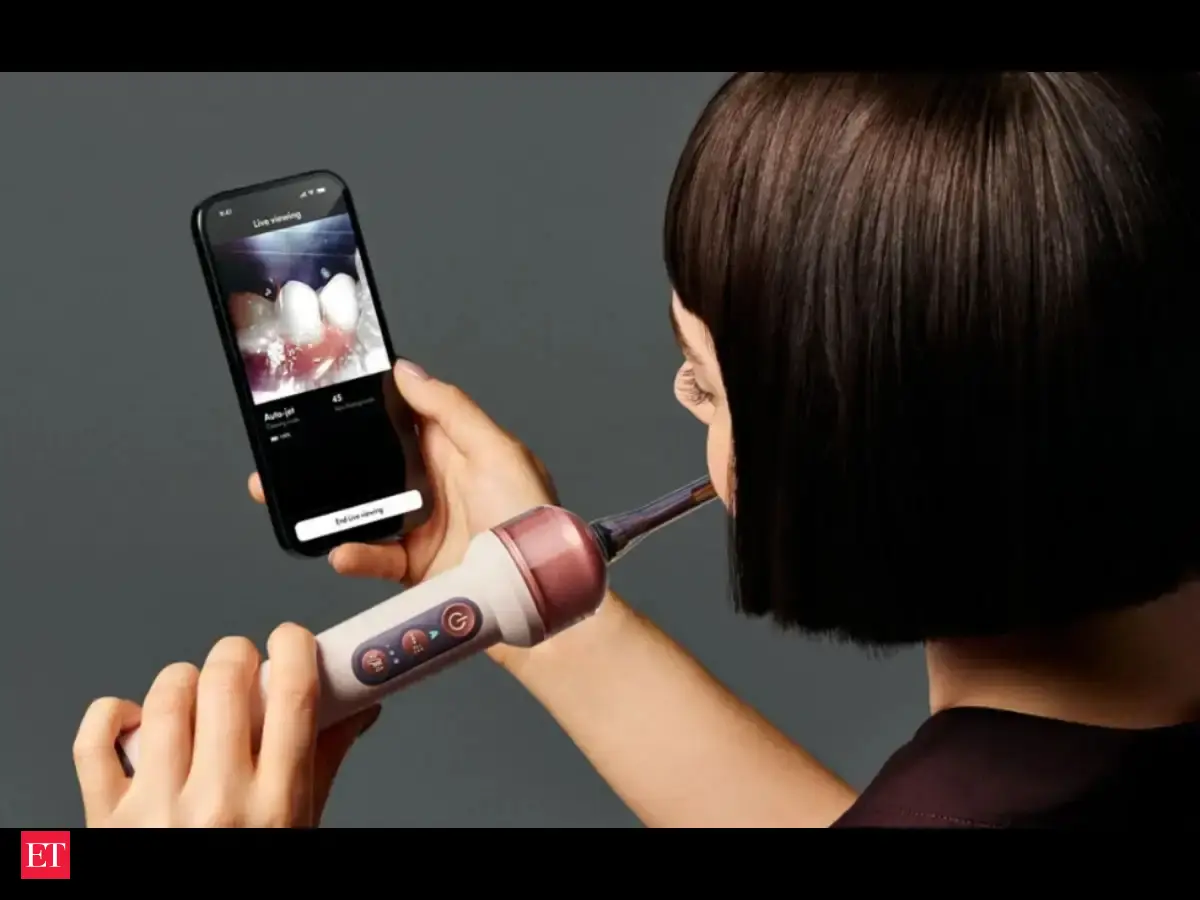
People may debate if this is an apocryphal story or overengrained or future-proof tool, but the reality is besides brushing, it was programed to do more. Its 100,000-pixel macro camera uses Dyson's machine-learning-powered Gap Optical Targeting technology to scan 28 live images per second, to identify gaps between teeth, and to trigger a targeted burst of mouthrinse within 100 milliseconds.
"We wanted to solve three fundamental problems: how to see those gaps, remove plaque, how to improve cleaning performance while brushing," said James Dyson, Dyson's founder and chief engineer.
Six years, 661 engineers and 470,000 dental images
Dyson says in its product description that the CameraJet involved 661 engineers, 38 patents, and 30 dental professionals during development. Then it was trained using over 470,000 dental images, while the device itself runs on 16 million lines of code.
Dyson's $500 AI powered toothbrush. (Image: Dyson)
The company also spent five years and presumably a lot of money working with the National University of Singapore's Faculty of Dentistry to develop a proxy material for testing plaque removal. One of the most flaunted conical jets is "to remove more plaque while being gentler on gums and enamel," as per Dyson.
The toothbrush also connects to the MyDyson app through Wi-Fi and Bluetooth. Users can actually watch a live view of their teeth and access cleaning insights, coverage maps, and even personalized feedback. Dyson says the camera is active only during live viewing or auto-jetting and that images are not stored on the device or in the cloud.
Why did Dyson pull it from stores?
Soon after launch, early buyers began reporting failures. As per a Wired report from September 21, user complaints began appearing after the product's release, which includes "water in the battery compartment and failures within 30 seconds of use."
French outlet Numerama on September 11 reported that Dyson's French site and stores had halted selling the AI toothbrush. Within a few days other countries, including the US, the UK, and Singapore, followed the same path.
Dyson's $500 AI powered toothbrush sprays water. (Dyson)
Dyson explains why its AI toothbrush faced issues
Dyson has now said a production issue was responsible for some of the problems. In an update dated September 30, the company said one batch of jet tubes had a process issue that created the potential for water seepage.
"We took what we believe to be the right decision to isolate impacted products, which resulted in a temporary out-of-stock position. We are sorry that we have let down our loyal customers and we will do all we can to support them," Dyson said in that release.
The company currently lists the CameraJet as out of stock, with customers able to sign up for notifications. Dyson has said it is continuing production and shipping.