
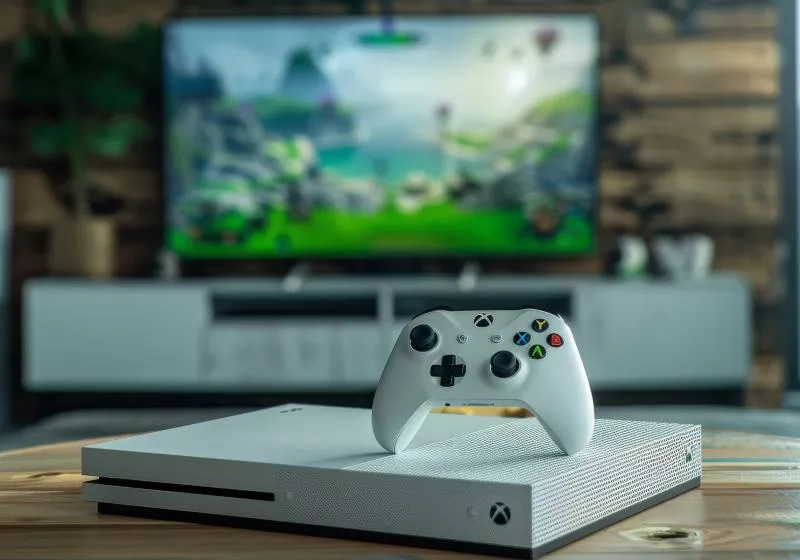
Consumers bought 559,000 consoles in August, the lowest total since 2013. High prices made it harder to attract buyers as the US market slowed down. Mat Piscatella said, "Price sensitivity is becoming a real problem." Many people now pay more for hardware, but fewer units got sold across all manufacturers.
Serving tech enthusiasts for over 25 years.
TechSpot means tech analysis and advice you can trust.
Bottom line: The US console market is slowing, and more expensive hardware is making it harder to attract buyers. Consumers bought 559,000 consoles in August, down 15% from a year earlier and the lowest August total since 2013, according to figures shared by Circana's Mat Piscatella. The average selling price rose from $476 in 2025 to $541 in 2026.
For manufacturers, those higher prices can soften the financial impact of falling sales. Sony's PlayStation hardware revenue increased 17% year over year, even though unit sales declined 11%. Higher-tier models helped make up the difference.
But the figures also show the limits of mid-generation upgrades. More expensive machines allow manufacturers to generate additional revenue without necessarily expanding the audience for their hardware.
Console prices are at historical highs, driven by pressure on component costs and the introduction of premium models such as the $900 PS5 Pro. That leaves buyers facing a higher cost of entry than in previous console cycles.
The slowdown extends across all three major manufacturers. Xbox unit sales fell 31% year over year, reaching their lowest August level since 2020. Nintendo unit sales declined 15% from August 2025.
The average price a consumer has paid for a new Xbox console in 2026 YTD ending August is $529, 26% higher than a year ago, while the average PlayStation console has sold for $597, 20% higher than last year. Both prices are at all-time US highs. Price sensitivity is becoming a real problem. - Mat Piscatella (
@matpiscatella.bsky.social) October 9, 2026 at 9:02 AM
The PS5 and Xbox Series X|S are roughly six years into their generation, and market saturation is likely contributing to weaker demand. Price increases earlier in 2026 also affected when consumers bought their machines. A rush to buy consoles before the hikes took effect brought sales forward, reducing the pool of potential summer buyers.
The result is a hardware market in which upgrades and higher prices have failed to prevent falling unit sales. Sony's revenue growth shows that selling more expensive models can help a manufacturer, but it does not indicate broader growth in console ownership.
The comparison with 2013 highlights another difference. That August, US console sales totaled 423,000 units as the PS3 and Xbox 360 approached the end of their generation. Buyers were preparing for the PS4 and Xbox One, both due that November.
This time, no successor machines have been officially unveiled. The current slowdown is occurring without an announced generation of replacement hardware on the horizon.
Software sales show a similar gap between an overall figure and the changes beneath it.
Year-to-date spending on new physical games rose 5% to $738 million. Yet spending on traditional physical formats, including discs and full-data cartridges but excluding Switch 2 Game-Key Cards, fell 3%.
Game-Key Cards accounted for the difference. Spending on those releases increased 631%, enough to bring the physical software category into positive territory.
That percentage reflects the format's relatively small presence in 2025 and its wider adoption by major publishers in 2026. It does not represent a comparable rebound in traditional physical media, which continue to lose ground as players move to digital storefronts.
The Switch 2 also helped change the August sales rankings. Elden Ring rose from 41st in July to seventh following its Switch 2 port. NBA 2K27 was the month's best-selling game and ranked third for 2026 so far. Madden NFL 27 finished second in August.
Across the broader games market, August content spending fell 10% year over year to $3.8 billion. Year-to-date spending reached $32.2 billion, down 2%.
Mobile spending dropped 18%, the largest decline among the reported platforms. Console content spending fell 7%, while PC gaming spending increased 13%. Subscription purchases also grew, rising 3%.
The PC platform's growth stood out in a month when both console hardware purchases and overall content spending declined. Meanwhile, higher-priced consoles and Game-Key Cards supported revenue in specific categories without reversing the wider slowdown.