
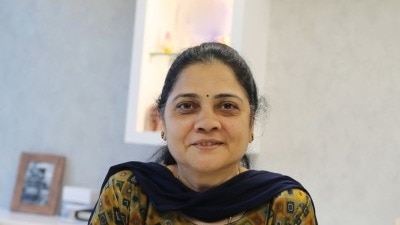
IBM India executive Usha Srikanth said code building is now 10% of programme at the Project Management South Asia Conference on October 3. She noted that AI is changing tech work, but human judgement remains vital. She said, “AI is there, but the last mile has to be from the human.”
As technology companies cut jobs and invest in artificial intelligence, Usha Srikanth, a member of the IBM India Board of Directors and Managing Partner at IBM Consulting, has a warning for organisations embracing AI: productivity cannot come at the cost of human judgement.
Speaking at the Project Management South Asia Conference (PMSAC) 2026 in Bengaluru on October 3, Srikanth described how AI is altering the nature of work, from software development to project management and recruitment.
“Three years back, all that we bothered about was building the code, and the code building was 60% of our programme. Today, code building is 10% of our programme,” she said, recounting a conversation with a project team at a major global airline.
“Knowing the context, knowing the process is important,” she added.
Her remarks come amid a wave of job cuts across the technology industry. More than 100,000 technology jobs have been reported lost worldwide in 2026, as companies restructure their workforces and redirect spending towards AI.
In India, industry estimates have also pointed to pressure on traditional IT services roles, while hiring increasingly favours specialised skills.
The question, then, is not merely how much work AI can perform, but what workers must learn to do that machines cannot readily replicate.
Srikanth placed particular weight on what she called “power skills”: critical thinking, judgement, discernment, collaboration and communication. Organisations, she argued, must take responsibility for developing these abilities rather than expect employees to arrive with them fully formed.
“AI is there, but the last mile has to be from the human,” she said, cautioning against losing originality and experience to machine-generated work.
She also challenged claims of productivity gains that lack evidence. “Everybody is saying, okay, here’s AI, and we’re going to be 50% more productive. It doesn’t mean anything unless and until we start demonstrating.”
For Srikanth, the answer lies neither in resisting AI nor in handing work over to it without question. Her advice to professionals was straightforward: “Be curious, learn, let AI be your assistant literally.”
As automation reaches more routine tasks, that distinction may become consequential. The ability to use AI will matter, but so will the ability to question its output, explain a decision and bring judgement to a problem. The future of work, in Srikanth’s account, will depend on whether people learn to work with AI without allowing it to do all their thinking.