
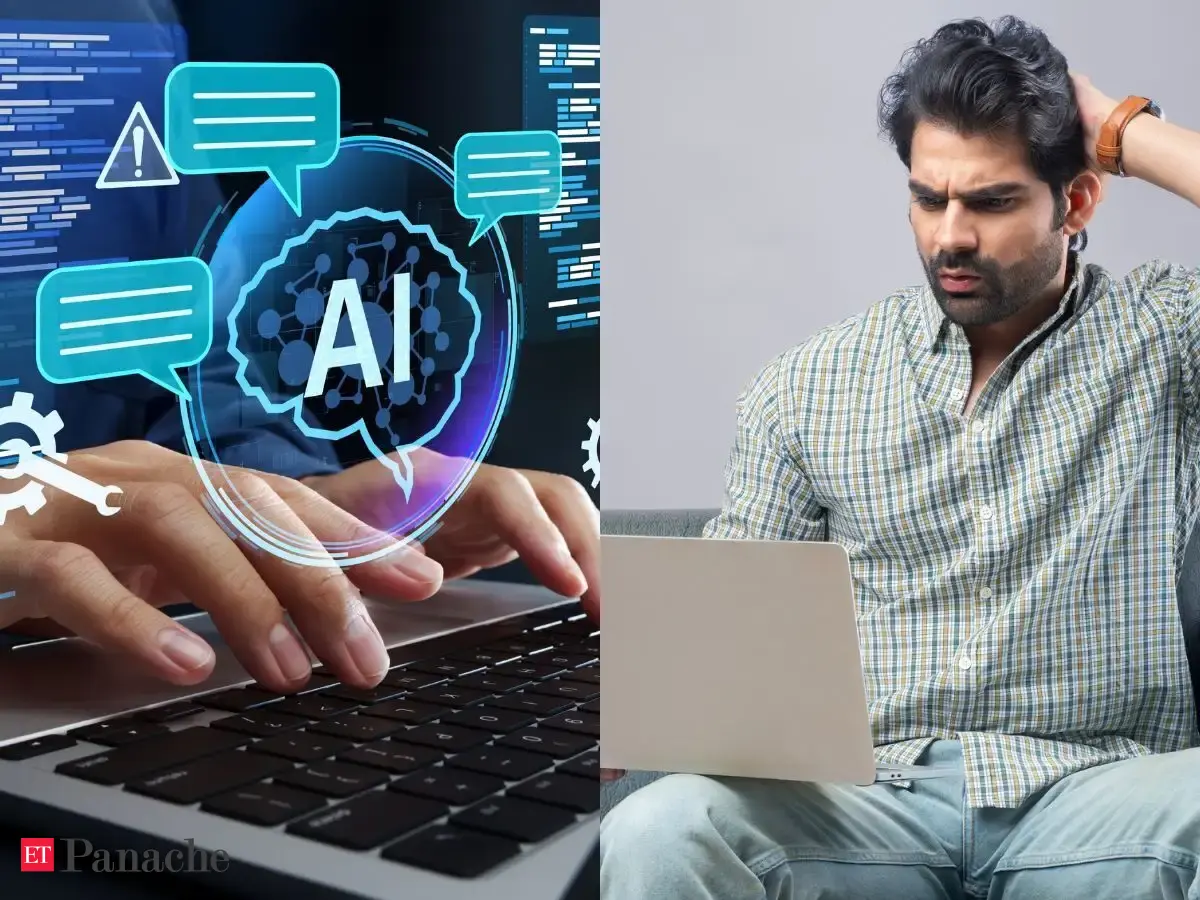
മൂന്ന് വർഷത്തെ പരിചയമുള്ള ഒരു ഡെവലപ്പർ താൻ എഴുതിയ കോഡ് പോലും വിശദീകരിക്കാൻ കഴിയാത്ത അവസ്ഥയിലാണെന്ന് വെളിപ്പെടുത്തിയത് വലിയ ചർച്ചയായി. എഐ ടൂളുകളെ അമിതമായി ആശ്രയിക്കുന്നത് ഡെവലപ്പർമാരുടെ ചിന്താശേഷിയെ ബാധിക്കുന്നുണ്ടോ എന്ന ആശങ്കയാണ് ഇതിലൂടെ ഉയരുന്നത്. ജോലിയുടെ അടിസ്ഥാനപരമായ കാര്യങ്ങൾ പോലും സ്വന്തമായി ചെയ്യാൻ കഴിയാത്ത അവസ്ഥയിലേക്ക് സാങ്കേതികവിദ്യ മാറുന്നു.
Synopsis
A software developer with three years of experience says he has reached a troubling point in his career: AI can now handle much of his coding, but he struggles to explain what it has written. His Reddit confession about depending on AI for end-to-end tasks, code reviews and even writing his own post has triggered a debate among developers over a bigger question; when does an AI coding assistant stop being a tool and start replacing the thinking behind the work?
Artificial intelligence is making it easier for software developers to write code, but a growing problem is also emerging over what happens when engineers rely on it so heavily that they stop thinking through problems themselves. A Reddit post by a software developer with three years of experience has put that concern into spotlight, after he admitted that he can barely explain some of the code he submits for review.
The developer said he joined the corporate world about three years ago, around the time large language models became widely popular. At first, using AI felt harmless. His tasks were smaller bug fixes and basic features, and he could prompt an AI tool, check the output and broadly understand the logic.
But as his responsibilities increased, he said his dependence on AI grew with them.
‘I don’t even fully understand’ my own code
The developer said he is now being given end-to-end tasks and often feeds the requirements into Claude before accepting the code it generates. “Half the time, I don’t even fully understand the architecture or the code it just generated,” he wrote.
The problem becomes particularly uncomfortable during code reviews. When senior engineers leave comments or ask detailed questions about his merge requests, he said he struggles to explain the implementation without turning to an AI tool again.
“When senior engineers leave review comments or ask pointed questions on my merge requests, my stomach drops because I literally cannot defend or explain the implementation without feeding their comments back into an LLM,” he wrote.
He said the problem has also affected his ability to work without AI. “My focus is shot, my critical thinking feels atrophied,” he wrote, adding that he now struggles to sit down, read documentation and trace code manually.
“The crutch became the wheelchair,” the developer said.
Some developers say this is already common
The post led to a discussion among software professionals, with several commenters saying heavy dependence on AI is becoming increasingly common. “This is far more normal nowadays than you think,” one commenter wrote.
Others, however, argued that developers should not measure his effectiveness solely by whether he can explain every line of generated code. One commenter said the ultimate responsibility of a developer is delivering features and products that customers are willing to pay for.
“More than understanding your code, I would suggest you focus on the business impact of your work and validations,” the commenter wrote.
The same commenter argued that software development is changing and that developers should focus on “business, design and validations” while building strong testing and evaluation processes.
But another response raised an obvious problem with that approach: what if the AI is also responsible for the tests? “The unit and coverage tests were written by AI and they don't really catch anything meaningful,” one commenter wrote.
Production problems are adding to the concern
Other developers shared examples of what they described as the consequences of poorly supervised AI-assisted development.
One commenter identifying as a software architect warned about the consequences when AI-generated code reaches production. “All fun and game till it crashes in production with permanent data loss and git blame and infosec sets up a meeting with you. ” the commenter wrote.
Another developer said his platform team had used Claude for major Java and Spring upgrades and later discovered production bugs that engineers struggled to fix. According to the commenter, some microservices eventually had to be rolled back. “I know AI is good but atleast teams should take ownership whatever they're pushing,” the developer wrote.
A separate commenter, who said he had been brought into four companies to help with troubled technology products, described the problem as “cognitive debt”.
“The issues were the same, hundreds of bugs & regressions because nobody had any clue what they were writing,” the commenter claimed.
He also said he had encountered “Redundant, duplicate and dead code everywhere” and that their teams had rules limiting LLM use.
The original developer's concern, however, goes beyond just autocomplete or productivity. He said he now feels that if AI disappeared tomorrow, his programming ability could fall dramatically. “If you took away AI tomorrow, I feel like I’d code at the level of a first-semester freshman,” he wrote.
(Catch all the Business News, Breaking News, and Latest News Updates on The Economic Times.)
Subscribe to The Economic Times Prime and read the ET ePaper online.
...moreless
(Catch all the Business News, Breaking News, and Latest News Updates on The Economic Times.)
Subscribe to The Economic Times Prime and read the ET ePaper online.
...moreless
A for apple, Y for yak and, for the first time, a price next to it. Will this change the non-agri part of the rural economy?