
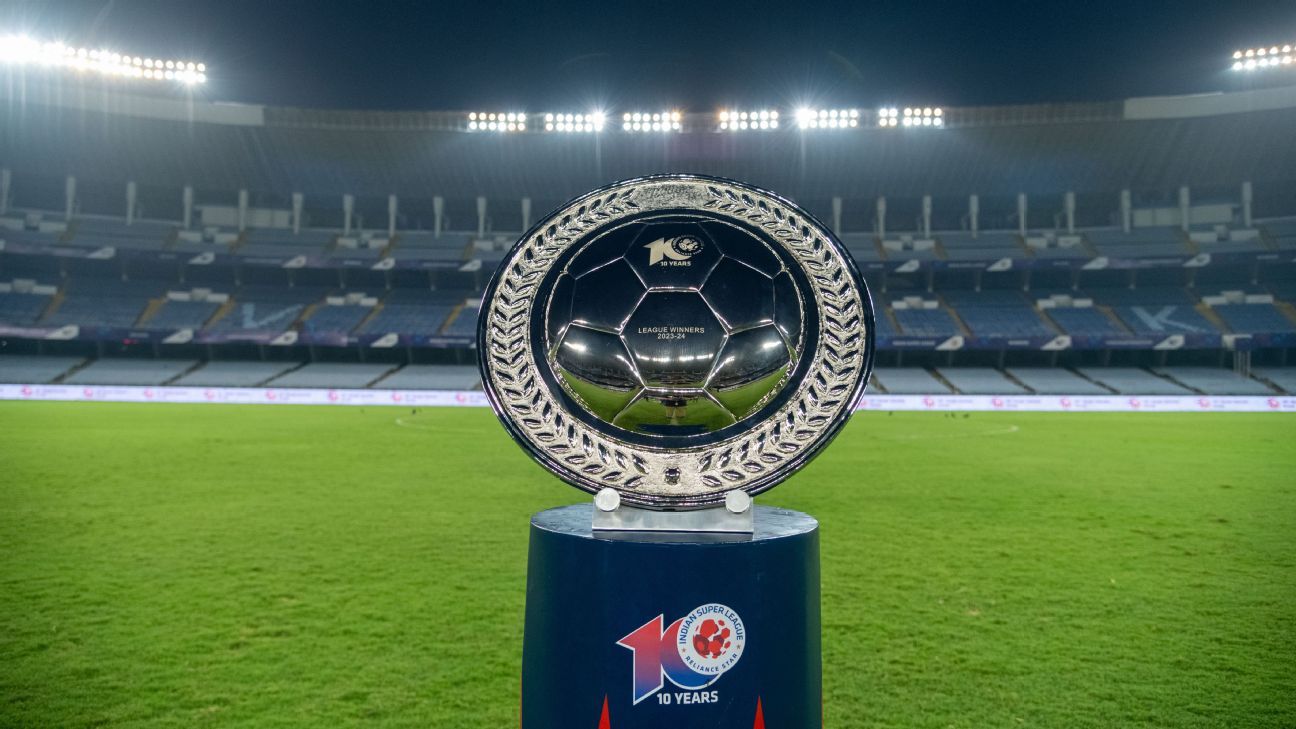
The 13th season of the Indian Super League begins at the Kanteerava stadium in Bengaluru on Saturday evening. Clubs now hold commercial rights, bringing fresh optimism to the league. Bengaluru FC director Darren Caldeira said, "YouTube really felt there's so much they can do over the course of the season."
The 13th season of the Indian Super League begins at the Kanteerava stadium in Bengaluru on Saturday evening, and for Indian Football, it marks yet another fresh start.
So much has happened in Indian football over the last 12-to-18-months that for some stakeholders, being on the cusp of starting a full-fledged (double round-robin + playoffs) season of the ISL feels like an achievement. Last season was a truncated one, it began four months later than an ISL season normally would, had half the games it normally would, and in general, had an air of 'let's get this done with'. This season, everything's different.
The All India Football Federation are no longer in complete charge of the ISL last season (they had taken over after Reliance's departure) and now they only control the administrative aspects. The commercial rights lie with the clubs themselves, with each of them having paid Rs 1.1 crores to the AIFF as a participation fee... and it's been a bright start on that front from the club collective.
Headline deals bring optimism
Digital streaming rights are now with YouTube, in addition to the television rights purchased by the Sony Sports Network. The ISL finally has a title sponsor again in MG Motors, who are paying a sum of Rs. 25 crores over a two-year period.
It's been a good start, but Bengaluru FC director of football Darren Caldeira wishes the clubs had a month more before the start of the season, so certain other commercial conversations could've reached fruition. He is, though, delighted with the YouTube and MG Motors deals. YouTube in particular is the platform that the clubs feel is the future of live sport. It's not new around the world, even if still rather niche in the Indian market. Caldeira cites the examples of the Prime Volleyball League and cricket's Tamil Nadu Premier League as YouTube success stories, and feels the ISL is better placed to replicate, or even better those successes.
"We have a league that is seven or eight months long," Caldeira told ESPN. "YouTube really felt there's so much they can do over the course of the season, unlike the other leagues they stream, which are shorter. That is why we felt this must be our primary platform."
SC Delhi CEO Dhruv Sood also told ESPN that in conversations with YouTube, the ISL had been guaranteed certain financial benefits based on views, engagement, and certain other audience metrics. MG Motors being title sponsors is big as well, particularly given the ISL hasn't had a title sponsor for the last three seasons since Hero Motors exited their long-term deal (in place since ISL's inception).
With these in place, the focus now shifts to delivering a league that their current partners are satisfied with, and one that can attract new partners as well.
What is success for this season's ISL?
Sood say success for now is in terms of the simple things - broadcast quality, production, growing conversations around the league, and giving the core Indian football fan (who he describes as being disillusioned over the last few years) a product to be proud of, while also actively working towards taking the sport to eyeballs that it hasn't reached before in this country.
If the ISL can deliver that, then there are a lot more brands willing to take the plunge, says Caldeira. Meanwhile, if this first season of the new era goes well, it presents big opportunities for the future, not just limited to commercial incomes. There have already been talks about VAR technology, for example, it's only something that will make the league better if they can provide referees with assistance to make the correct decisions. If used well, it has the potential to make the league a better product.
So, for further such investments from the league, and for commercial partners to invest into the league, it's important to deliver in the 2026-27 season.
Can the ISL cut expenses to drive sustainability?
The ultimate vision for all the clubs and league is to grow the commercial profile of Indian Football and from there lead to sustainability. A major part of the latter, though, is controlling expenses.
Player salaries form a chunk of those expenses, and that bubble has now burst, says Caldeira, pointing to how Bengaluru haven't signed a single Indian player this season. FC Goa CEO Ravi Puskur had previously been vocal on the need for the player wage structure to correct itself, and that has been seen in Goa's summer business, too.
Sood, though, says it is not down to the players, but the clubs themselves who had enabled such a market to not just exist, but thrive in an unsustainable state, as clubs chased trophies at the cost of, sometimes, their very existence. Ideally, Sood says, a well-run club's wage bill wouldn't be more than 60% of their turnover for the year. That isn't within the league's control even now, but it's a lesson a lot of the owners have learnt.
It's a rather straightforward route to reducing expenses, and so is developing a scouting system that gets you quality foreigners at lower than the average ISL clubs have been paying. It sounds simple, but these are such huge contributors to club budgets. If you bring those down, it is money saved, and one step closer to sustainability.
The other side of sustainability: newer avenues, farther reach, expanding revenue
One of the key pointers that Sood stressed on was the reach of the ISL. Caldeira thinks there's much to achieve with the ISL, and the last year or so, with everything happening around Indian Football, has been a missed opportunity.
Sood pointed to the large number of casual football fans India has, and ones that the ISL had previously failed to reach, or tap into. Sood speaks about the need for those fans to see heroes in Indian football, and how the ISL's responsibility is to build those heroes, tell those stories, reach those stories to the masses.
Stability of the league in India is important, but there's also the opportunity of growing it internationally, says Caldeira. And that's where YouTube helps. It's not just reach, but also in terms of the data it brings back - how far you've reached, where you've reached, where do you have work to do - those were metrics that the clubs have been blind on.
This season is an opportunity to learn for the new ISL, but it's also an opportunity to showcase the potential it has. Along the way, it's an opportunity to show those that matter that Indian Football has a product worth investing in.
When the ISL kicks off on Saturday though, there are a lot of people for whom the overwhelming emotion will be relief, one that's laced with a cautious sense of excitement at what is to come.