Short news for quality minds. Power your niche.Smartly curated short news for quality minds. Want your own niche feed? Integrate with us today.

TheReader.AI
Home
News
Integrate
Pricing
About Us
Profile
My FeedNationPoliticsBusinessMarketWorldSportsTechnologyEnvironmentScienceEntertainment

Science News

Nasa's Voyager 1 eyes history; to reach one light-day from earth today

Nasa's Voyager 1 eyes history; to reach one light-day from earth today

The Times of India

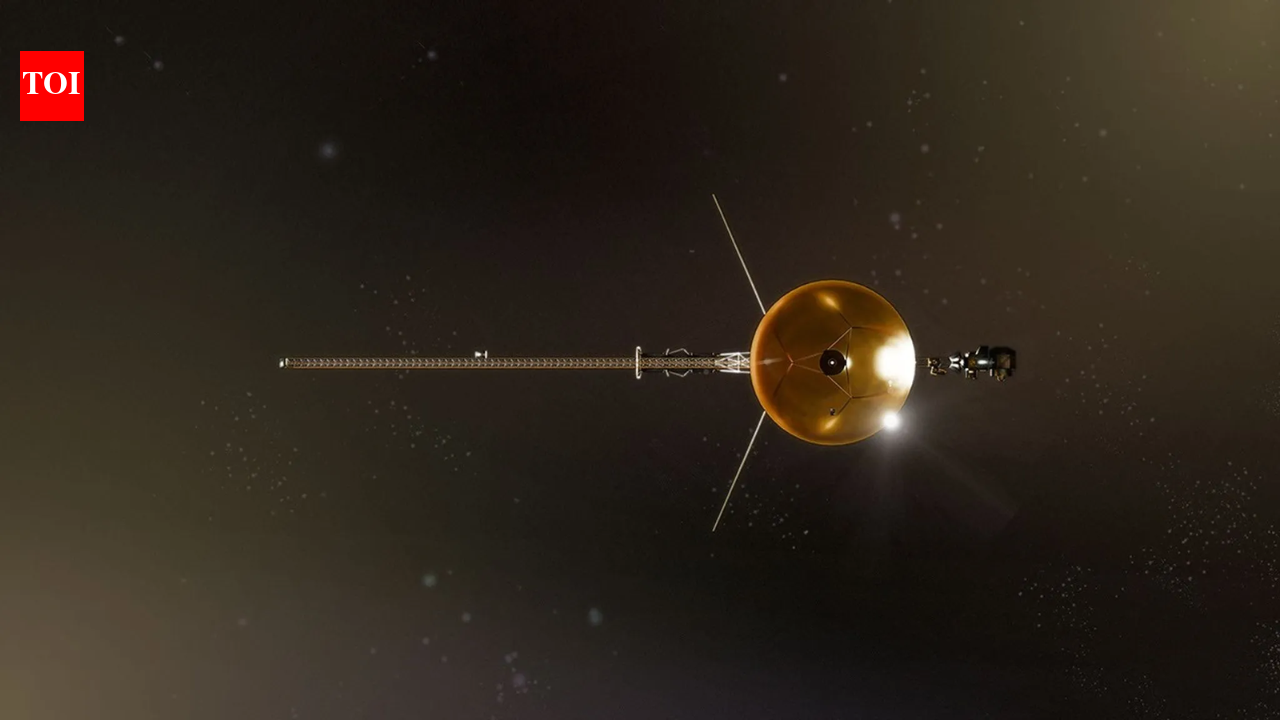
Nasa's Voyager 1 will reach one light-day from Earth on Wednesday. The spacecraft sits 25.9 billion kilometres away, making it the most distant human-made object ever. It started its journey on September 5, 1977. Signals now take 24 hours to reach the probe, showing how far it has travelled through space.

Tap to Read More18 Nov 1:57 AM
New Genomic Study Reveals Ancestral Roots of Rohingya Community

New Genomic Study Reveals Ancestral Roots of Rohingya Community

Asianet News Network...

A new genomic study on November 18 revealed that the Rohingya community has primary ancestral roots in Eastern South Asia. Researchers found they lived in the Arakan region for over 1,000 years. Lead author Prajwal Pratap Singh said, "Model-based statistical analysis revealed that the Rohingya possess approximately 59 per cent ancestry."

Tap to Read More18 Nov 1:00 AM
A dog’s lucky 'stumble' in 1940 revealed a 17,000-year-old time capsule that changed history forever.

A dog’s lucky 'stumble' in 1940 revealed a 17,000-year-old time capsule that changed history forever.

The Times of India

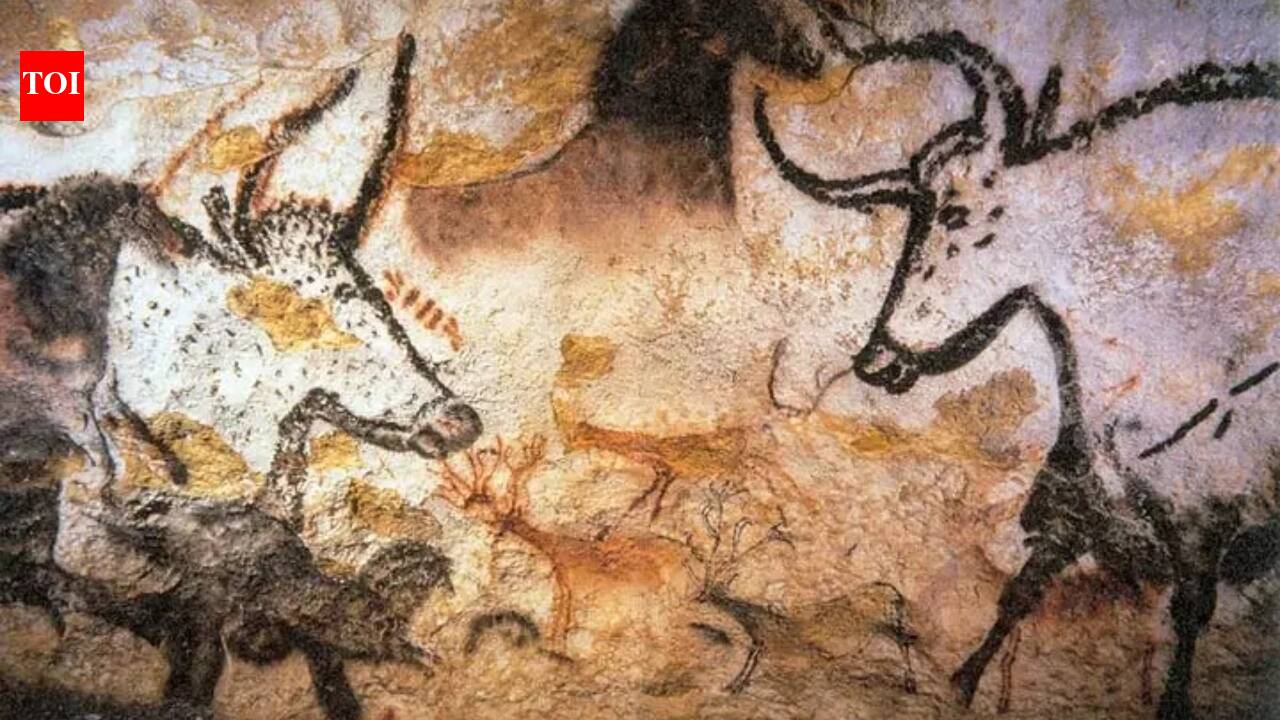
In September 1940, a dog named Robot found a hole by an uprooted tree in France. Four friends explored the opening and discovered a cave filled with nearly 600 prehistoric paintings. These images, over 17,000 years old, showed animals like horses and bison, revealing the deep creativity of ancient humans.

Tap to Read More18 Nov 1:28 AM
Life's building blocks are 'alien': New asteroid data suggests we come from a much wider corner of the solar system.

Life's building blocks are 'alien': New asteroid data suggests we come from a much wider corner of the solar system.

The Times of India

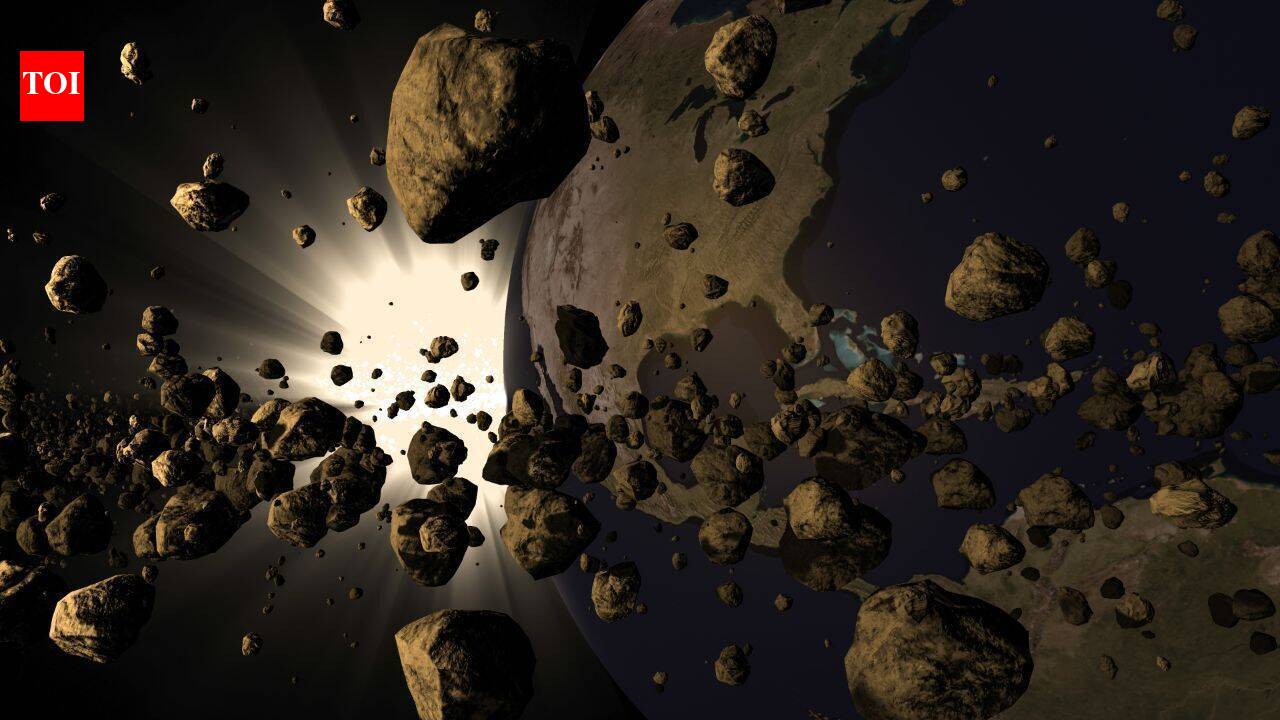
NASA returned samples from asteroid Bennu in September 2023. Researchers compared these amino acids with a 1969 meteorite and found different atomic fingerprints. This showed that the materials formed in separate parts of the solar system. The mission got crucial information about the early stages of our solar system.

Tap to Read More18 Nov 2:29 AM
The fossilised jaw of a prehistoric animal has been discovered in MP. Here's why the finding matters

The fossilised jaw of a prehistoric animal has been discovered in MP. Here's why the finding matters

Indian Express

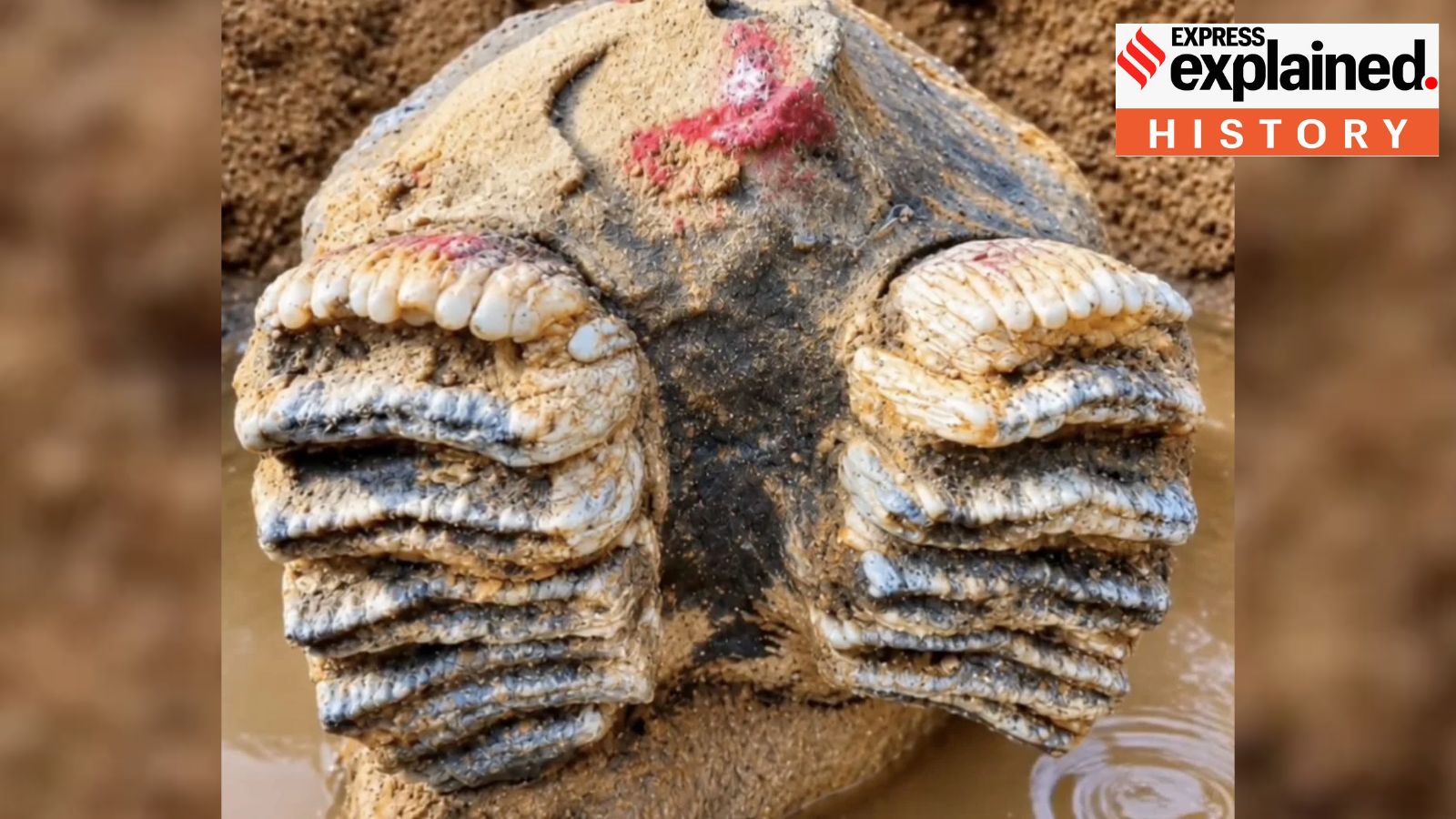
Researchers found a fossilised jaw along the Narmada in Madhya Pradesh’s Raisen district. It likely belongs to the extinct Palaeoloxodon namadicus, a prehistoric elephant that roamed the region four to five lakh years ago. Dr Ravi Upadhyay said, "It is absolutely correct that this is the jaw of an ancient elephant."

Tap to Read More18 Nov 1:30 AM
New platform improves accuracy of molecular counting in RNA-sequencing

New platform improves accuracy of molecular counting in RNA-sequencing

Physics org

A new open-source platform called UMIche improves accuracy in RNA-sequencing by fixing common counting errors. Published in Nature Communications, it provides a consistent framework for molecular data. Associate professor Adam Cribbs said, "By making UMI deduplication evidence-based rather than a default, UMIche sets a common standard for accurate molecule counting."

Tap to Read More17 Nov 9:50 PM
Extreme cold preserves passion fruit's vitamin C, but not all of its antioxidants

Extreme cold preserves passion fruit's vitamin C, but not all of its antioxidants

Physics org

Researchers from ESPOL and the University of Guayaquil studied how cryogenic freezing affects yellow passion fruit. They found that vitamin C levels stayed stable after using liquid nitrogen at -196 °C. However, the fruit's total antioxidant capacity fell by 23.6 percent, showing that extreme cold does not preserve every nutrient.

Tap to Read More17 Nov 10:20 PM
New daisy genus named after botanist

New daisy genus named after botanist

Physics org

A new South American daisy genus named Pelseria honors University of Canterbury botanist Pieter Pelser. Researchers from Argentina confirmed his 2007 findings using plant physical traits. Pelser said, "It is a great honor to have a species named after you, and an even greater privilege if a genus carries your name."

Tap to Read More17 Nov 10:30 PM
Lasers near physical limits of miniaturization open possibilities for tracking life at the nanoscale

Lasers near physical limits of miniaturization open possibilities for tracking life at the nanoscale

Physics org

Researchers from Rice University and Harvard Medical School developed one of the world’s smallest lasers to track tiny biological structures. "We have already demonstrated how nanolaser particles can serve as unique optical barcodes for tracking individual cells," said Sangyeon Cho. This breakthrough helps scientists observe processes happening inside living cells.

Tap to Read More17 Nov 10:40 PM
Hassan students 'wow' crowds with inventions—from robotic tanks to green energy that could change our future.

Hassan students 'wow' crowds with inventions—from robotic tanks to green energy that could change our future.

The Hindu

Students exhibited working models at The Hindu in School event in Hassan on Tuesday. Projects ranged from piezoelectric tiles generating power to Bluetooth-controlled robotic army tankers. The exhibits covered robotics, artificial intelligence, and agriculture. Manu Kumar, assistant director of the Department of Social Welfare, participated in the prize distribution ceremony.

Tap to Read More17 Nov 2:35 PM
DESI weighs the Milky Way more precisely than ever

DESI weighs the Milky Way more precisely than ever

Physics org

The Dark Energy Spectroscopic Instrument Collaboration measured the Milky Way’s mass at 1.19 trillion times that of the sun. Researchers used data from over 10,000 distant stars to get this precise result. This new study combined multiple modeling approaches to account for gravity and survey gaps, improving upon earlier estimates.

Tap to Read More17 Nov 12:00 PM
DNA offers clues to the Bombay duck's rise in the East China Sea

DNA offers clues to the Bombay duck's rise in the East China Sea

Physics org

DNA research shows why the Bombay duck population surged in the East China Sea. In 2005, this fish made up 83% of the total catch. Scientists found genetic traits that helped it thrive in changing waters. "We consider the Bombay duck as a new kind of invader," said Bin Kang.

Tap to Read More17 Nov 1:00 PM
Page 1 of 8NextTop End

TheReader.AI

Summarization is not about shortening text; it’s about amplifying meaning.

Explore Our Philosophy →

Explore

Live NewsBlogVideosNews APIPricing

Compare

Compare News AppsBest News App Indiavs Inshortsvs Dailyhuntvs JioNews

Company

About UsContact UsEditorial PolicyLLMs

Legal

Terms & ConditionsPrivacy PolicyRefund Policy
TheReader.AI LogoLets Talk!

Copyright © 2026 TheReader.AI, Your intelligent news reading partner | Powered by Candominds Technologies