Short news for quality minds. Power your niche.Smartly curated short news for quality minds. Want your own niche feed? Integrate with us today.

TheReader.AI
Home
News
Integrate
Pricing
About Us
Profile
My FeedNationPoliticsBusinessMarketWorldSportsTechnologyEnvironmentScienceEntertainment
Engineers turn coconut shells into road material; 12.5% biochar makes asphalt stronger and more heat-resistant

Engineers turn coconut shells into road material; 12.5% biochar makes asphalt stronger and more heat-resistant

The Times of India

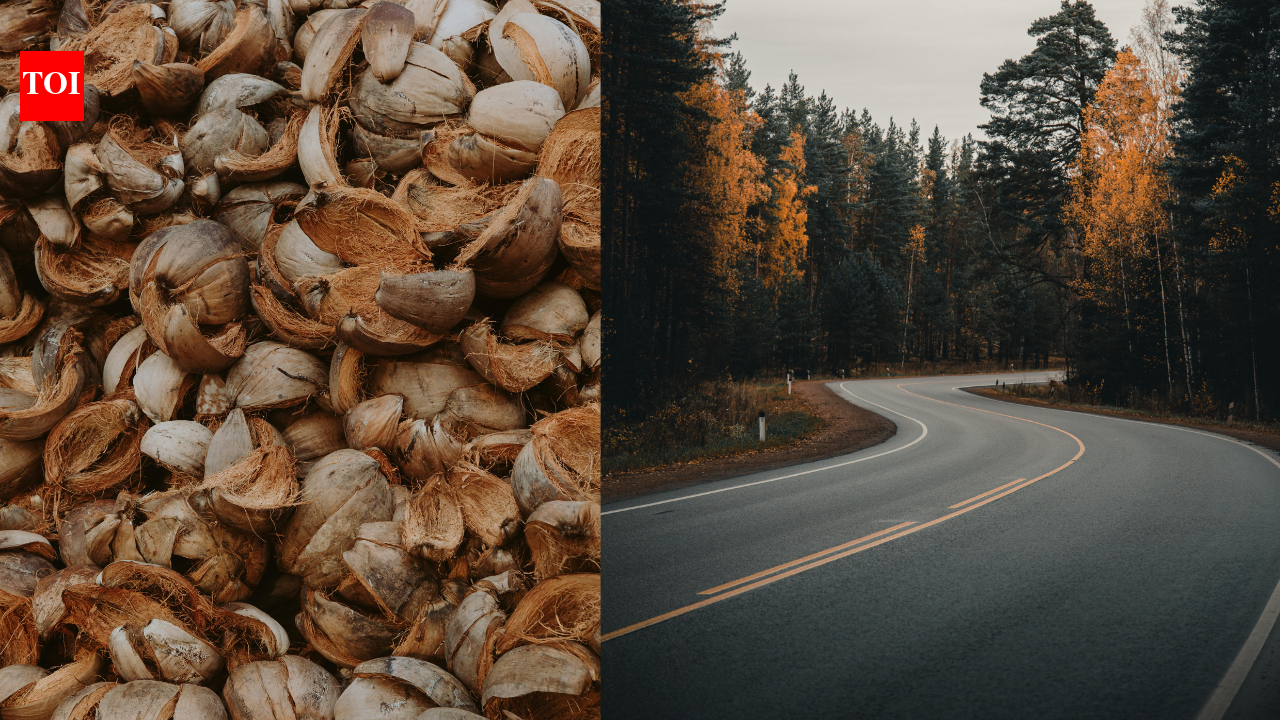
Engineers found that adding 12.5% coconut shell biochar makes asphalt stronger and more heat-resistant. The study, published in Next Materials in 2026, showed this waste material helps roads stay stable in high temperatures. Researchers S. Mahalakshmi, Revathy Jayaseelan, and Gajalakshmi Pandulu used this method to improve overall pavement performance and durability.

Tap to Read More3 Oct 1:00 AM
Artemis II crew moon photo annotations

Artemis II crew moon photo annotations

Physics org

An April 6, 2026, screenshot shows NASA astronauts Reid Wiseman, Victor Glover, and Jeremy Hansen marking impact flashes on the moon. The crew saw five faint bursts of light from the Orion spacecraft while 46,000 miles away. These flashes showed where rocky fragments hit the moon during their space mission.

Tap to Read More7 Oct 11:20 PM
Tiny photosynthetic organisms help transport carbon to the depths of the Baltic Sea

Tiny photosynthetic organisms help transport carbon to the depths of the Baltic Sea

Physics org

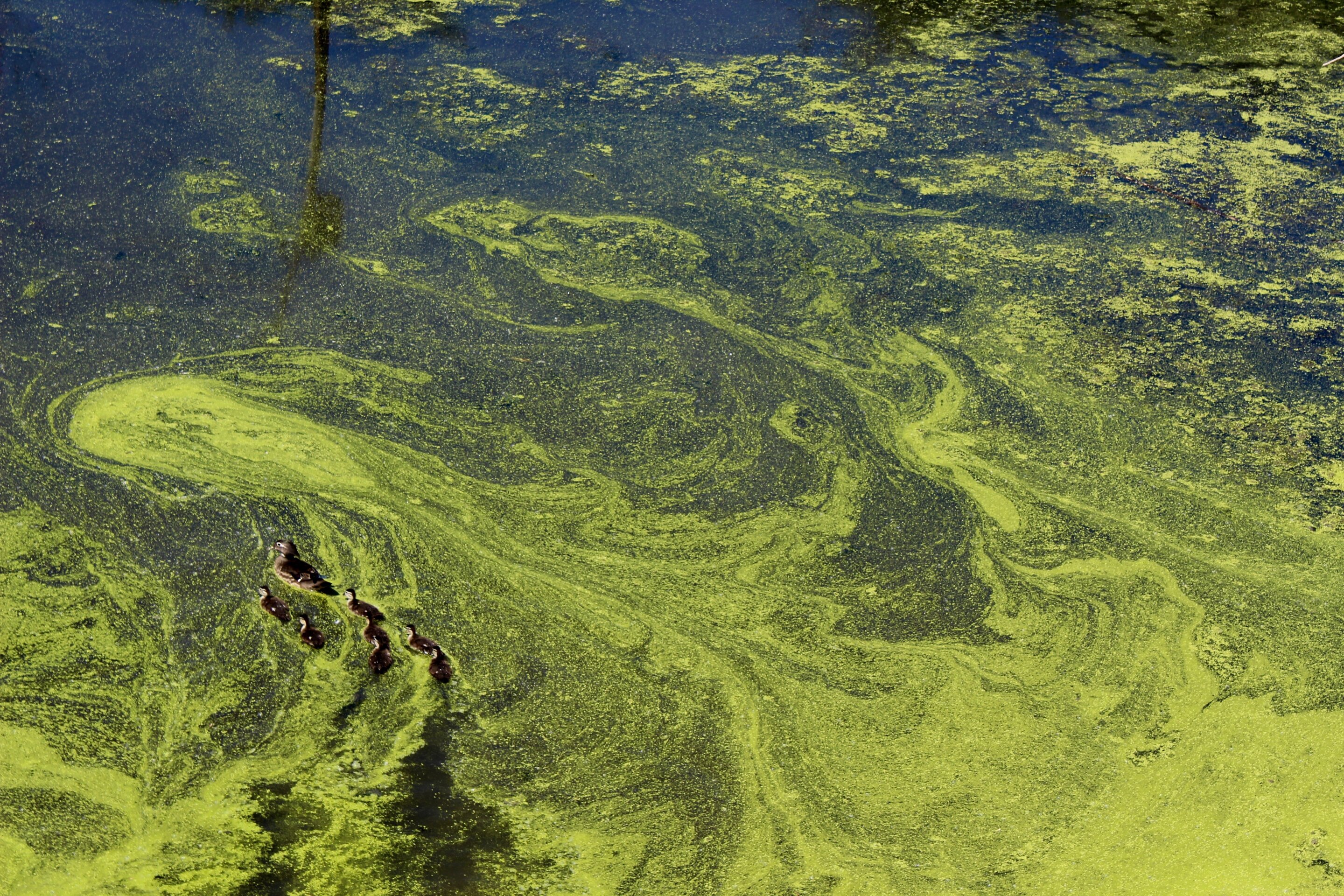
Tiny photosynthetic organisms in the Baltic Sea help move carbon from surface waters to the deep ocean. A study in The ISME Journal showed that these organisms form colonies to sink. Lead author Martin Ekman said, "the degree of aggregation directly determines the magnitude of export" for these tiny cells.

Tap to Read More7 Oct 11:40 PM
Snowball Earth's iron deposits may have formed through microbes living without sunlight

Snowball Earth's iron deposits may have formed through microbes living without sunlight

Physics org

Korean researchers found iron-oxidizing microbes beneath the Antarctic Larsen C Ice Shelf. These bacteria live without sunlight or oxygen, using a special protein to process iron. This discovery challenges old theories about how massive iron deposits formed during the Snowball Earth period, when ice covered the entire planet surface.

Tap to Read More8 Oct 12:00 AM
OpenAI rolls out GPT-6 with visuals, interactive features and faster responses

OpenAI rolls out GPT-6 with visuals, interactive features and faster responses

Indian Express

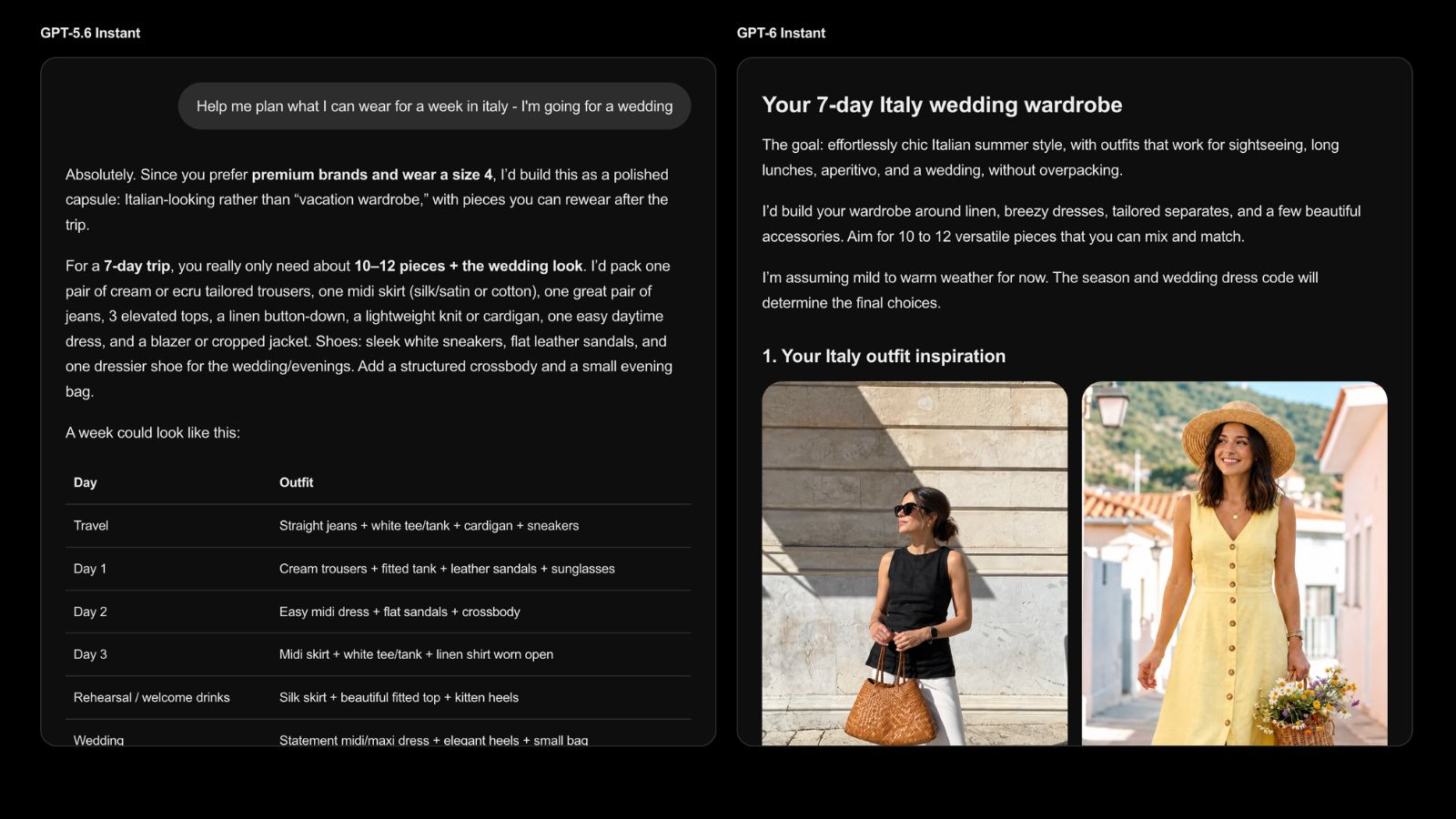
OpenAI has begun rolling out GPT-6 globally in ChatGPT, introducing an Intelligent UI for interactive diagrams and forms. Paid users got the update first, while free users will receive it from October 8. The company also said the new model provides faster responses, improved web research, and much stronger safeguards.

Tap to Read More8 Oct 1:44 AM
ISRO to build human space analog habitat in Bengaluru

ISRO to build human space analog habitat in Bengaluru

dtNext.in

ISRO floated a tender to build a Human Space Analog System at its Bengaluru training facility. This habitat will help prepare Gaganyatris for long missions by simulating isolated, resource-limited conditions for up to 60 days. It will support a four-member crew and study how they perform under challenging space environments.

Tap to Read More8 Oct 2:14 AM
Brain breakthrough : Light opens a window into neuroscience

Brain breakthrough : Light opens a window into neuroscience

The Tribune

The 2026 Nobel Prize in Physiology or Medicine went to Karl Deisseroth, Peter Hegemann and Georg Nagel for developing optogenetics. This technique uses light to control nerve cells, helping scientists study brain activity. By using a light-sensitive protein from alga, researchers can now switch specific neurons on or off easily.

Tap to Read More6 Oct 7:44 PM
2026 Chemistry Nobel: Mirror-image molecules and the chemistry of life

2026 Chemistry Nobel: Mirror-image molecules and the chemistry of life

Indian Express

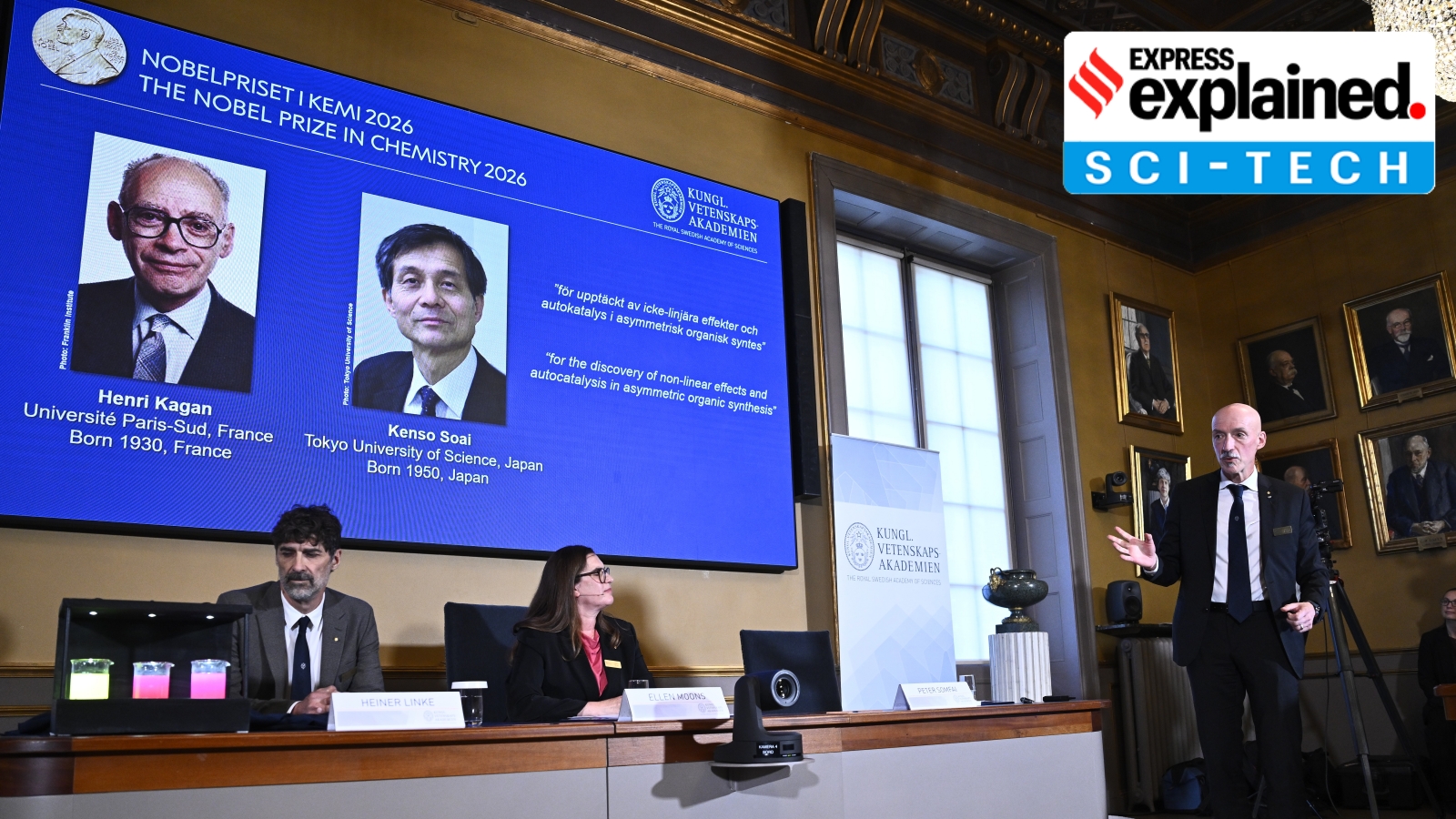
The 2026 Nobel Prize in Chemistry went to Henry Kagan and Kenso Soai for their work on mirror-image molecules. They showed how to create specific forms of these molecules, which are vital for life. Their research solved a long-standing mystery about why nature prefers one version over the other.

Tap to Read More8 Oct 2:00 AM
What if your cooking gas came from water? Meet India's hydrogen stove

What if your cooking gas came from water? Meet India's hydrogen stove

Indian Express

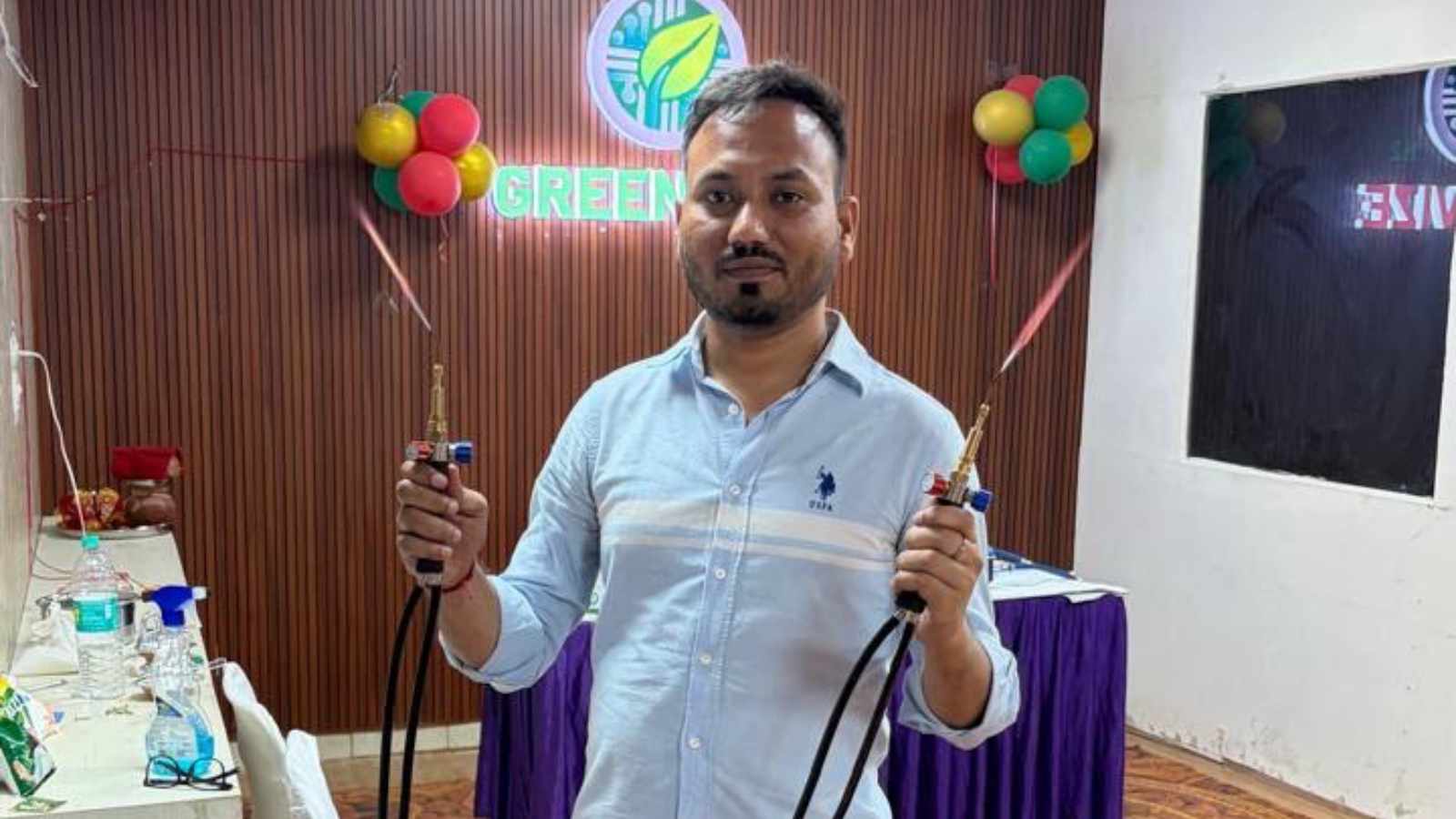
Vikash Kumar from Bihar’s Vaishali district is using a new hydrogen stove to cook food. The device separates water into hydrogen fuel, offering a clean alternative to expensive LPG cylinders. At the May 2026 World Hydrogen Summit, Indian firm Vision Mechatronics signed a deal to sell these stoves globally.

Tap to Read More8 Oct 1:56 AM
Scientists report world's first working nuclear clocks

Scientists report world's first working nuclear clocks

The Hindu

Scientists from Europe and China reported the world's first working nuclear clocks in two papers in Nature. These clocks use thorium-229 nuclei to track time with extreme precision. Because the nucleus is shielded, these devices could become portable. Researchers also used the technology to look for signs of dark matter.

Tap to Read More8 Oct 1:30 AM
Maths star Mahesh Kakde clinches Ramanujan Prize

Maths star Mahesh Kakde clinches Ramanujan Prize

The Pioneer

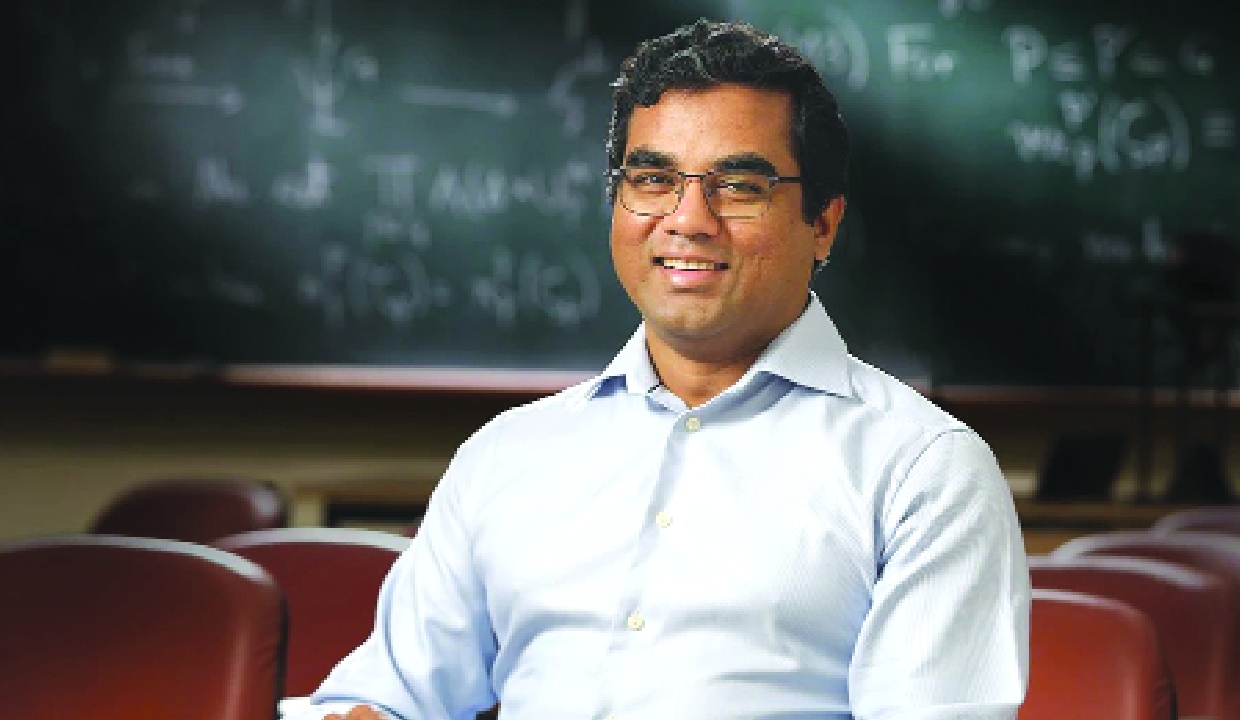
Indian mathematician Mahesh Kakde won the prestigious Ramanujan Prize 2026 for Young Mathematicians for his path-breaking number theory work. A professor at the Indian Institute of Science, Bengaluru, Kakde got this honour for his fundamental research. The award recognises his outstanding contributions to algebraic number theory and complex mathematical structures.

Tap to Read More8 Oct 1:10 AM
First global genome atlas reveals overlooked microscopic life in hundreds of lakes and reservoirs

First global genome atlas reveals overlooked microscopic life in hundreds of lakes and reservoirs

Physics org

An international team analyzed DNA from 362 lakes to create the first global genome atlas of microscopic organisms. Researchers reconstructed nearly 20,000 mitochondrial genomes from 3,660 species. Adrian-Stefan Andrei said, "Their DNA likely holds the key to telling them apart." This new atlas helps monitor lake health more precisely today.

Tap to Read More7 Oct 9:00 PM
'Things are going super well at 39A': SpaceX gearing up to launch Starship from Florida for 1st time

'Things are going super well at 39A': SpaceX gearing up to launch Starship from Florida for 1st time

Space

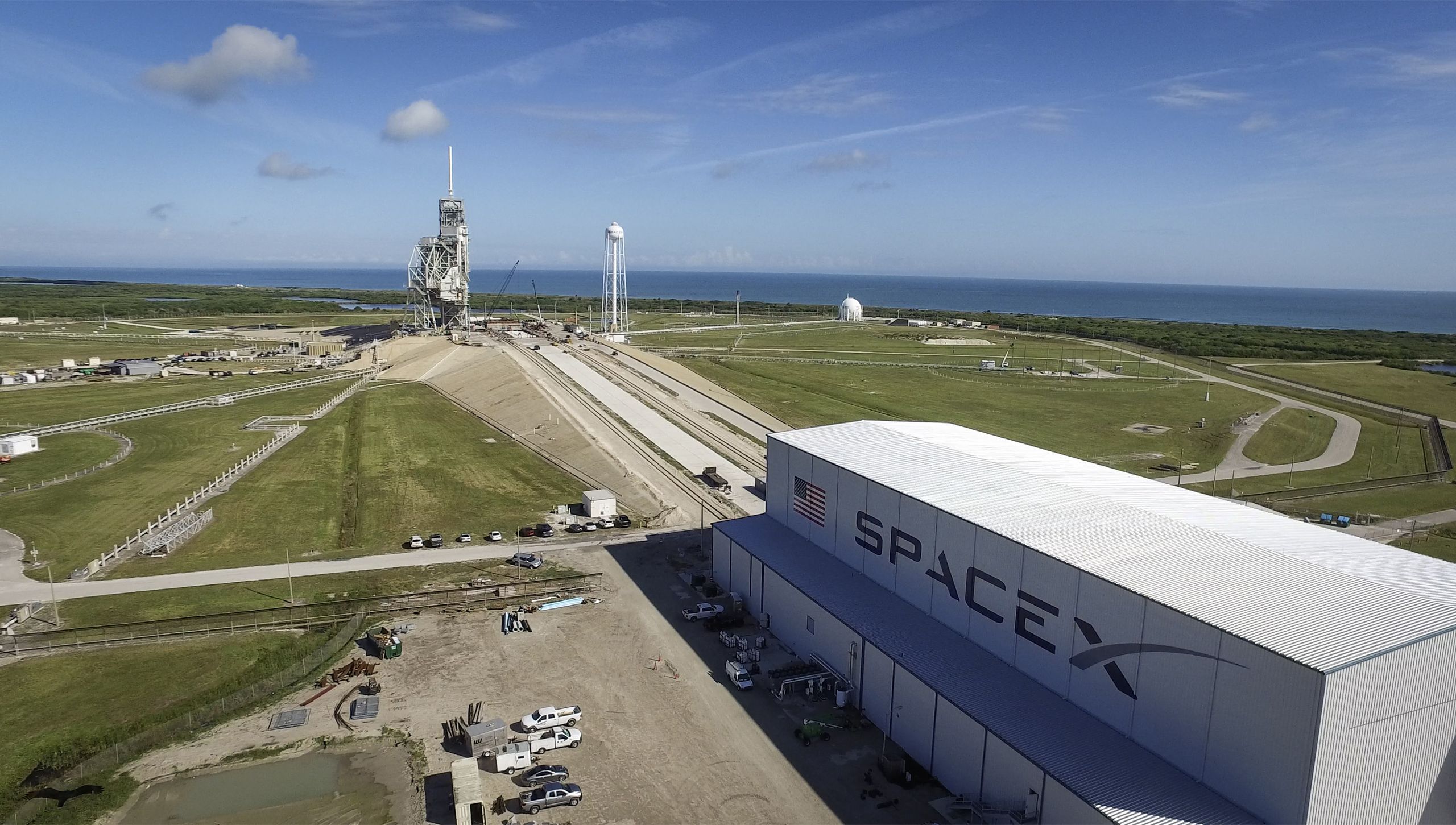
SpaceX is preparing to launch its Starship rocket from Florida’s Pad 39A for the first time. Construction began in late 2021 and is now nearing completion. "Things are going super well at 39A," said Julianna Scheiman on Oct. 1. The company is currently moving into final testing before the official activation.

Tap to Read More7 Oct 10:00 PM
Page 1 of 7NextTop End

Site Navigation

Terms & ConditionsPrivacy & PolicyRefund PolicyLLMs

Get in Touch

About UsContact UsBlogVideos

TheReader.AI

Summarization is not about shortening text; it’s about amplifying meaning.

Best News App Indiavs InshortsExplore Our Philosophy →
TheReader.AI LogoLets Talk!

Copyright © 2026 TheReader.AI, Your intelligent news reading partner | Powered by CandoMinds