
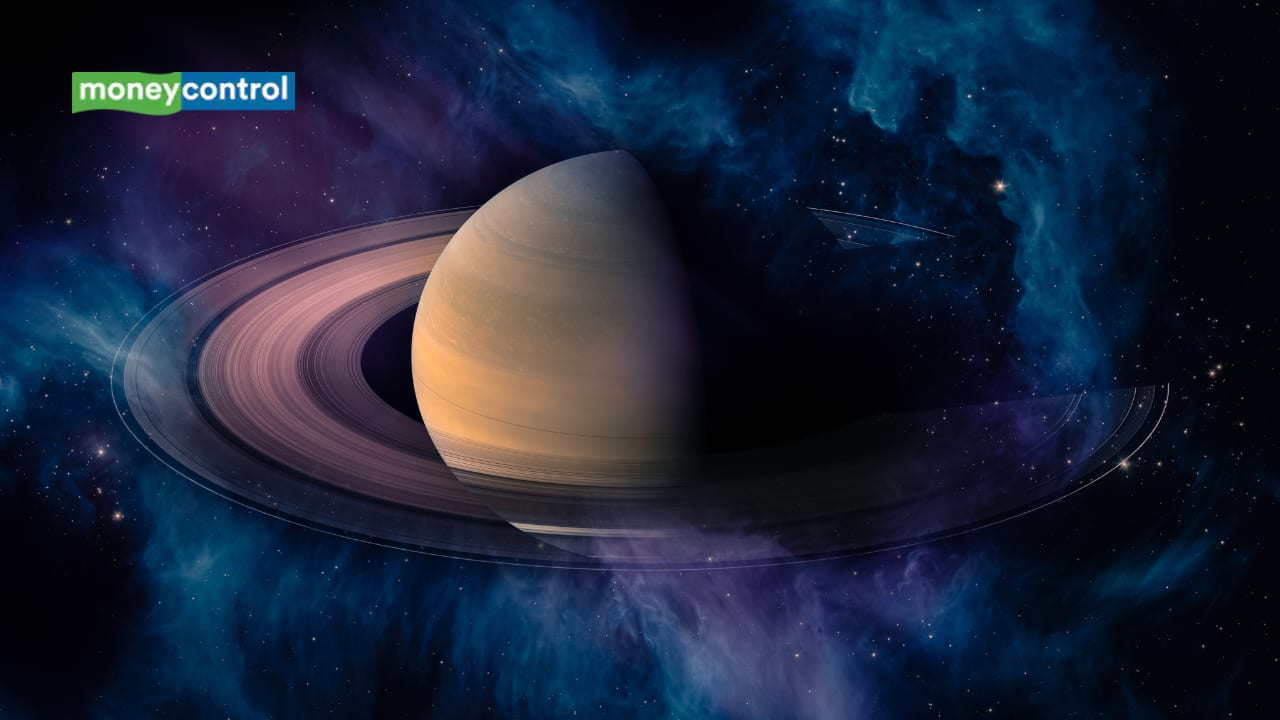
Saturn reached opposition on October 4, making its closest approach to Earth in 2026. Skywatchers can spot the bright, creamy-white planet throughout the night without special equipment. It rises around sunset and shines steadily below the Great Square of Pegasus. You need a telescope to see its famous ring system clearly.
Skywatchers have a good reason to look up this week as Saturn reaches opposition and makes its closest approach to Earth of 2026. The ringed planet will be visible throughout the night, offering one of the year's best opportunities to find it without specialised equipment. Saturn reached opposition on October 4, when Earth passed almost directly between the planet and the Sun. This alignment makes Saturn particularly easy to observe because it rises around sunset, remains in the sky for much of the night and sets around sunrise. The planet is also relatively close to Earth compared with other points in its orbit, making it appear brighter than usual. When is the best time to see Saturn? Saturn is visible throughout the night around its opposition, but the planet becomes easier to spot once it has risen sufficiently above the horizon. For observers in London, Saturn can be found looking towards the east-southeast at around 9 pm on October 5. It will continue climbing higher as the evening progresses. The planet appears below the Great Square of Pegasus, a prominent four-star pattern that can help skywatchers locate it. Saturn currently shines at about magnitude +0.3, making it bright enough to be seen without binoculars or a telescope. What does Saturn look like from Earth? To the naked eye, Saturn appears as a moderately bright, creamy-white point of light. One useful way to distinguish it from nearby stars is its relatively steady appearance. Stars often appear to twinkle because of turbulence in Earth's atmosphere, while planets generally show a steadier light. Once you find Saturn, try looking at it again on subsequent nights. Its position will gradually shift against the background stars as the planet continues along its orbit. Can you see Saturn's rings without a telescope? This is where the view changes dramatically. Although Saturn itself is easy to spot with the naked eye, its famous rings are not visible without optical aid. A small telescope should be enough to reveal the planet's distinctive ring system under suitable viewing conditions. For many amateur astronomers, seeing those rings for the first time is one of the most rewarding observations in the night sky. Binoculars may help identify Saturn more easily, but a telescope is needed for a clear view of the rings. Why does Saturn look brighter during opposition? Opposition occurs when Earth lies approximately between the Sun and another outer planet. Because Saturn is then on the opposite side of the sky from the Sun, it is illuminated from our perspective and remains visible for most of the night. It also reaches one of its closest points to Earth around this time of year. That combination makes opposition one of the best periods for observing Saturn. The same basic alignment occurs for other planets beyond Earth's orbit, including Jupiter and Mars, although the exact timing and appearance vary. Where should you look for Saturn? Finding Saturn does not require specialist astronomy equipment. Start by looking towards the eastern part of the sky after sunset and allow enough time for the planet to rise higher above the horizon. The Great Square of Pegasus provides a useful landmark for locating it. Saturn will look like a steady, pale point rather than a dramatic object at first glance. The real transformation comes when it is viewed through a telescope. From the southern hemisphere, Saturn is positioned higher in the sky, making it even better placed for observation. Saturn's closest approach offers a simple skywatching opportunity Not every astronomical event requires a dark-sky location or expensive equipment. Saturn's opposition is one of those occasions when simply stepping outside and knowing where to look can be enough. The planet will remain visible as a steady, creamy-white object while the stars around it provide a changing backdrop. For anyone with access to a small telescope, the same evening can offer something more striking: a glimpse of Saturn's famous rings from Earth, millions of kilometres away. As the October nights continue, Saturn will gradually shift against the background constellations. But this week's opposition provides an especially good reason to start watching.