
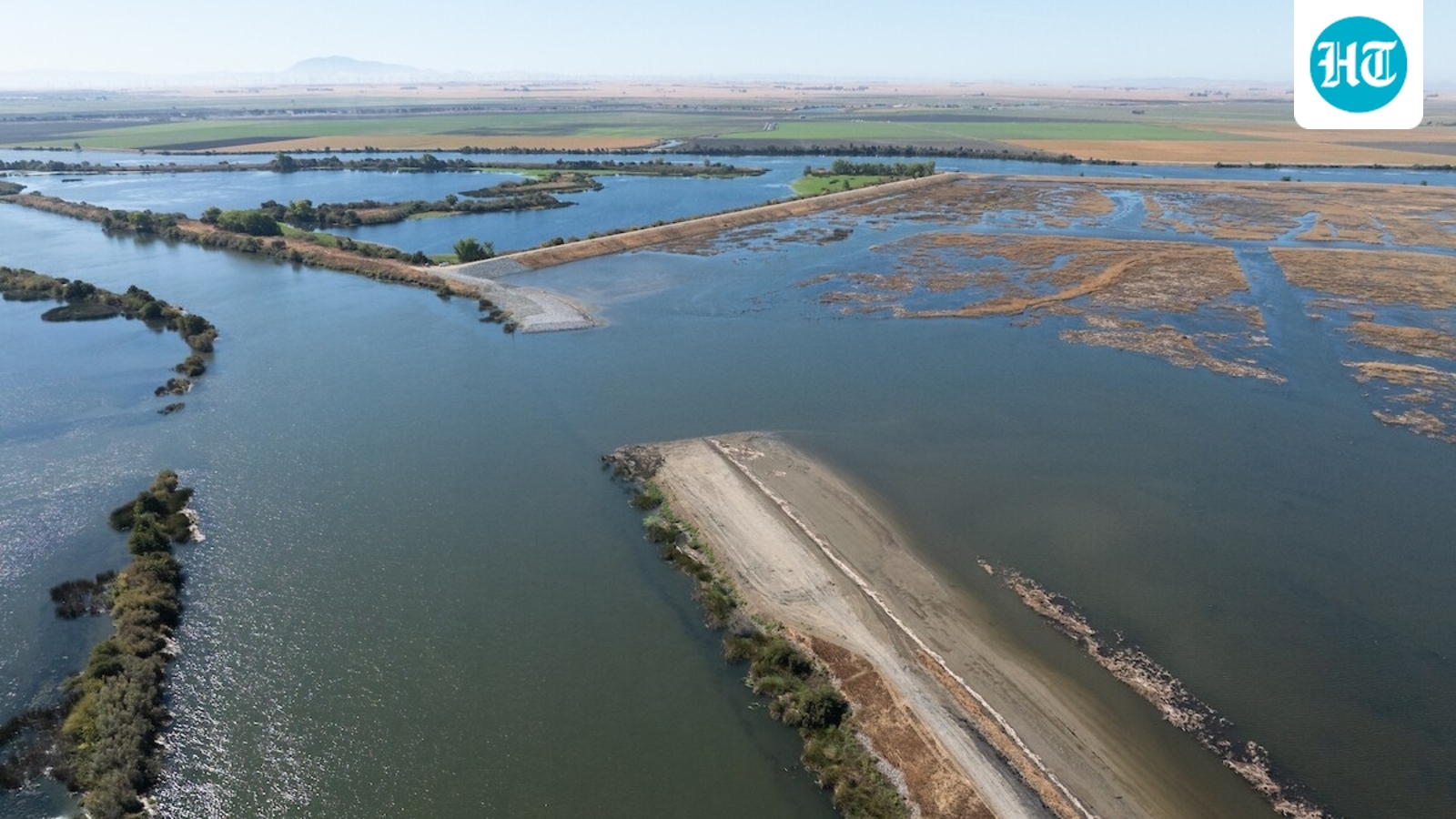
California completed a 3,400-acre Delta restoration project in Solano County on September 18, 2024. This effort is part of the EcoRestore initiative, which targeted more than 30,000 acres of habitat. Officials said the project provides flood protection for Central Valley communities and helps fish by restoring vital tidal wetlands.
A California Department of Water Resources fact sheet estimated that about 27 million Californians relied on the Delta for drinking water during the 2015-2020 period. It also noted that many people may not have known where their water came from. The Delta is an important source of water for millions of acres of agriculture and is the largest estuary on the West Coast. However, the document notes that the Delta has experienced extensive habitat loss over the past 150 years, with some natural habitat types declining by more than 90%. California launched the EcoRestore initiative in 2015 to advance at least 30,000 acres of critical habitat restoration and enhancement across the Delta, Suisun Marsh, and Yolo Bypass region.
The fact sheet serves as a tracking record for this objective. It sets a target of more than 30,000 acres and estimates nearly 38,500 acres across planned and completed restoration, a figure that could be revised. Tidal and subtidal habitat is the largest category, with nearly 14,000 acres planned or completed against a goal of 9,000 acres. Floodplain restoration is estimated at 18,580 acres against a goal of 17,000. Riparian and upland habitat is estimated at 1,650 acres against a goal of more than 1,000. Non-tidal wetlands are expected to reach their goal of 3,500 acres.
The figures speak more clearly with an illustration of the habitat. Tidal wetlands are marshes that are alternately flooded and drained by the tides and, the fact sheet explains, the California EcoRestore program was intended to develop these wetlands to support food sources for fish such as salmon and Delta smelt. Moving water helps fish reach zooplankton, microscopic organisms that feed on dead plant matter, while tall plants can provide cover from predators. One of the projects highlighted in the program was Lookout Slough in Solano County, a 3,400-acre habitat restoration project in the Delta.
The project was completed on September 18, 2024, with the breaching of a levee at the site. The office of Governor Gavin Newsom announced that tidal waters were flowing to 3,400 acres of restored habitat in Solano County for the first time in 100 years. Officials described it as the largest tidal restoration project in the Delta at the time. The California Department of Water Resources said the project provides 100-year flood protection for surrounding Central Valley communities and more than 40,000 acre-feet of additional flood storage within the Yolo Bypass. Construction began in June 2022 and included more than 3 miles of 25-foot-tall setback levees, designed to allow for future sea-level rise, along with 26 miles of open tidal channels.
The California Department of Water Resources also described the levee breach that marked the project's completion. The project resulted from a partnership between the department and Ecosystem Investment Partners, and the agency said it progressed from concept to construction in less than six years. That day's levee breach removed 600 feet of dirt from the old levee, making it the largest of the nine breaches planned along the project's eastern edge. Department Director Karla Nemeth said flood protection is not at odds with nature, while Natural Resources Secretary Wade Crowfoot described the project as a significant milestone for the restoration effort.
The finished site was also designed for public use. Once all breaches were complete, the public could access the new channels through a non-motorized boat ramp at the northernmost breach for wildlife viewing, fishing, and hunting. The department also identified Lookout Slough as one of more than 100 projects statewide that it leads or supports to create habitat and protect special-status species.
The fact sheet emphasizes that restoration does not end when construction does. Habitat restoration projects require ongoing operation and maintenance, while partnerships, particularly public-private partnerships, were identified as important sources of additional restoration during the program's first five years. The 3,400-acre Lookout Slough project represents a significant part of the broader effort to advance at least 30,000 acres of habitat restoration across the Delta, Suisun Marsh, and Yolo Bypass region.