
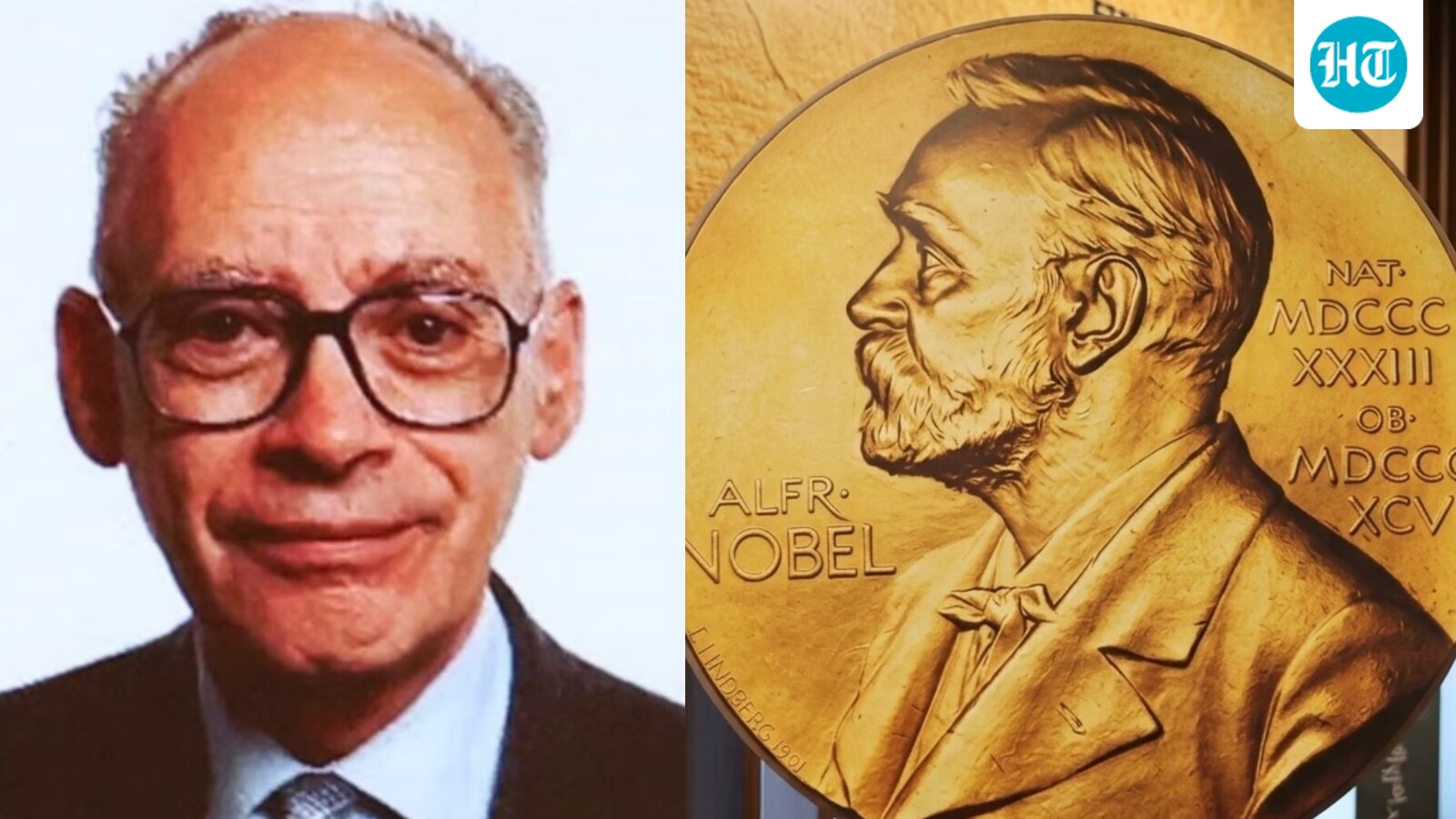
95-ാം വയസ്സിൽ രസതന്ത്രത്തിനുള്ള നോബൽ പുരസ്കാരം നേടി ഫ്രഞ്ച് ശാസ്ത്രജ്ഞൻ ഹെൻറി കഗാൻ ചരിത്രം കുറിച്ചു. കണ്ണാടി പ്രതിബിംബങ്ങളായ തന്മാത്രകളെക്കുറിച്ചുള്ള ഗവേഷണത്തിനാണ് ജാപ്പനീസ് ശാസ്ത്രജ്ഞൻ കെൻസോ സോയിക്കൊപ്പം അദ്ദേഹത്തിന് പുരസ്കാരം ലഭിച്ചത്. മരുന്നുകളുടെ നിർമ്മാണത്തിൽ നിർണ്ണായകമായ ഈ കണ്ടെത്തൽ വൈദ്യശാസ്ത്ര രംഗത്ത് വലിയ മാറ്റങ്ങൾക്ക് വഴിയൊരുക്കും.
French scientist Henri Kagan has become one of the oldest people to win a Nobel Prize after receiving the 2026 Nobel Prize in Chemistry at the age of 95. He shared the honour with Japanese chemist Kenso Soai, 76, for their groundbreaking research into asymmetric molecules.
(Also read: Anne Carson, winner of Nobel Prize in Literature, has a little-known India connection)
The duo were announced as winners on Wednesday, October 7, for solving a long-standing mystery involving molecules that exist as mirror images of each other. Their discoveries have significant implications for pharmaceutical manufacturing, particularly in developing safer and more effective medicines.
Their work builds on research by 19th-century French chemist Louis Pasteur.
Kagan's achievement places him among the three oldest Nobel laureates in history. Here is a look at some other scientists and researchers who received the prestigious honour in their later years.
American scientist John B. Goodenough holds the record as the oldest Nobel laureate. He received the 2019 Nobel Prize in Chemistry at 97 for his contributions to developing lithium-ion batteries. His work helped revolutionise portable electronics, including smartphones, laptops and electric vehicles.
American physicist Arthur Ashkin won the 2018 Nobel Prize in Physics at 96. He was recognised for inventing optical tweezers, which use laser beams to trap and manipulate microscopic particles, including living cells, without damaging them.
French chemist Henri Kagan received the 2026 Nobel Prize in Chemistry alongside Kenso Soai. Their research demonstrated how chemical reactions can favour one mirror-image form of a molecule, a breakthrough with important applications in drug manufacturing. Kagan had previously missed out on the 2001 Nobel Prize in a related field.
American physicist John Hopfield shared the 2024 Nobel Prize in Physics with Geoffrey Hinton. His pioneering research on artificial neural networks laid important foundations for modern machine learning and artificial intelligence.
Polish-born American economist Leonid Hurwicz received the 2007 Nobel Memorial Prize in Economic Sciences. He was honoured for developing mechanism design theory, which examines how economic systems can be structured to achieve desired outcomes.
(Also read: Anne Carson's dry humour shines in first interview after Nobel win: 'I have no answers')
Japanese-born American climatologist Syukuro Manabe won the 2021 Nobel Prize in Physics. His research demonstrated how increasing carbon dioxide levels contribute to global warming and helped establish the foundations of modern climate modelling.