
ചൈനീസ് ഗവേഷകർ വികസിപ്പിച്ച പുതിയ ഫ്ലയിംഗ് വിങ് വിമാന മാതൃക വ്യോമയാന രംഗത്ത് വലിയ മാറ്റങ്ങൾക്ക് വഴിയൊരുക്കുന്നു. 800-ലധികം യാത്രക്കാരെ ഉൾക്കൊള്ളാൻ ശേഷിയുള്ള ഈ വിമാനം എയർബസ് A380-നേക്കാൾ വലുതാണ്. ഇന്ധനക്ഷമതയും കുറഞ്ഞ യാത്രാച്ചെലവും ലക്ഷ്യമിട്ടുള്ള ഈ പദ്ധതി, ദീർഘദൂര യാത്രകളെ കൂടുതൽ പരിസ്ഥിതി സൗഹൃദവും ലാഭകരവുമാക്കുമെന്ന് ഗവേഷകർ അവകാശപ്പെടുന്നു.
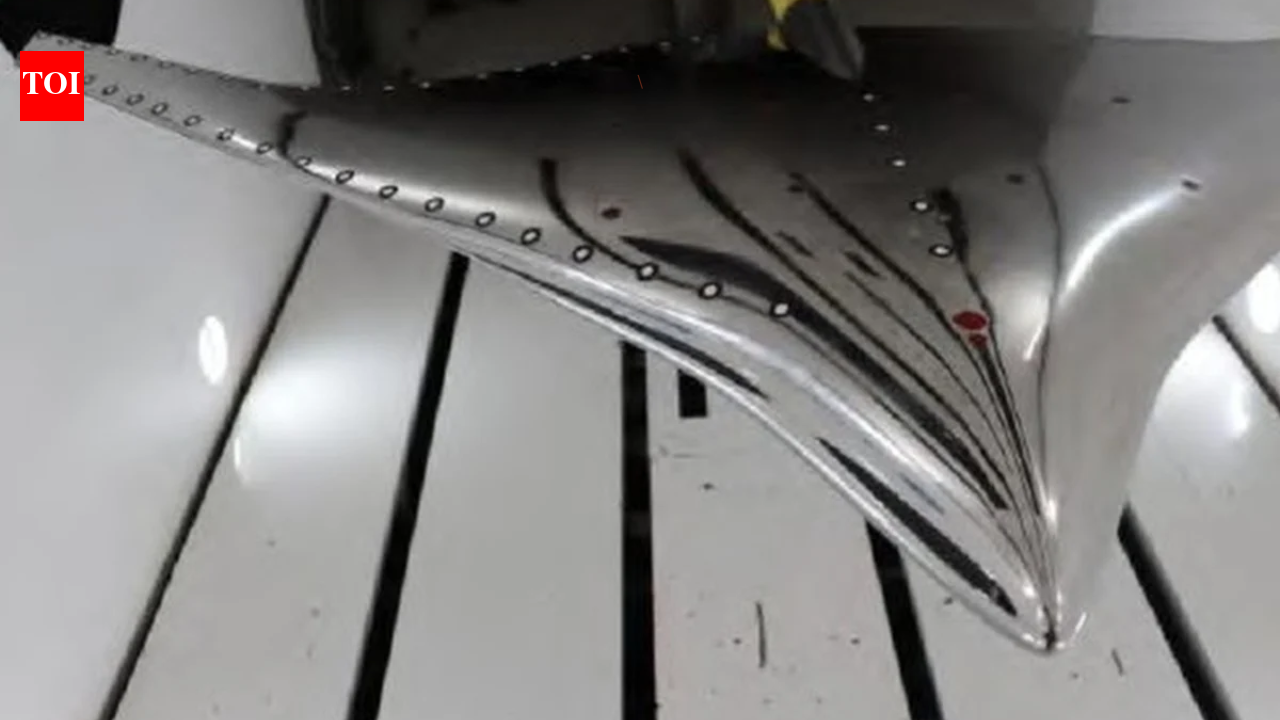
A Chinese research team has unveiled an aerodynamic model for a flying-wing passenger aircraft that could carry more than 800 people, according to the South China Morning Post. The design is 85 metres wide and 43 metres long, with a wingspan roughly 1.6 times that of the B-2 Spirit stealth bomber. The Airbus A380, the world's largest passenger jet, typically seats about 555. The concept comes from the China Aerodynamics Research and Development Centre. No full-scale aircraft has been built, but a 1:52 stainless steel model was tested in a transonic wind tunnel at speeds between Mach 0.4 and 0.8.According to the South China Morning Post, the proposed design is 85 metres (280 feet) wide and 43 metres long, with a wingspan roughly 1.6 times that of the B-2 Spirit. For comparison on capacity, the report states that the Airbus A380, currently the world's largest passenger jet, typically seats about 555 passengers. The SCMP describes the Chinese design as seating more than the A380, at more than 800 passengers.According to the report, the final design has a reference wing area of about 1,395 square metres (15,015 square feet). The leading edge is swept at 37 degrees and the trailing edge at 28 degrees. The cruise speed is Mach 0.8.The concept comes from the China Aerodynamics Research and Development Centre (CARDC), a national institute that has contributed to major aircraft projects including the C919 narrowbody airliner and the Y-20 transport plane. Details were published in June in the Chinese-language Journal of Aerospace Power. According to the report, the design serves as a standard model for verifying wind tunnels, computational methods and testing equipment for long, slender flying-wing shapes.The report states that the researchers originally developed the layout for a 250-seat aircraft, similar in capacity to long-range widebody jets such as the Airbus A330 and Boeing 767. They have since scaled it up to the 800-passenger class as part of a broader push for large twin-aisle widebody airliners that began during China's 13th five-year plan, covering 2016 to 2020. The SCMP quotes aerodynamics scientist Li Yonghong and his team as writing that the high-aspect-ratio flying wing has remarkable aerodynamic advantages. They said its high lift-to-drag ratio and low induced drag could deliver longer range and lower energy consumption.A full-scale aircraft has not been built. The team is instead advancing prototype testing with a 1:52 stainless steel scale model, which measures about 0.8 metres in length and has a wingspan of 1.6 metres. The model was tested in CARDC's 2.4-metre transonic wind tunnel at speeds between Mach 0.4 and 0.8. The researchers examined aerodynamic characteristics, boundary-layer transition, measurement accuracy, lateral and longitudinal stability, and structural deformation.According to the report, the model achieved a maximum lift-to-drag ratio of about 20 at speeds below Mach 0.7, dropping to 17.6 at Mach 0.8. The team wrote that "the results confirm its excellent aerodynamic performance", qualifying it as a benchmark model for such configurations. The researchers added that the model could support studies of flow mechanisms and aeroelasticity, as well as the development of new wind tunnel testing techniques. China is also pressing ahead with the C929, a 280-seat long-range widebody jet expected to make its first flight around 2030, and the C949 supersonic airliner, which the report says draws parallels with Nasa's X-59 supersonic technology.