
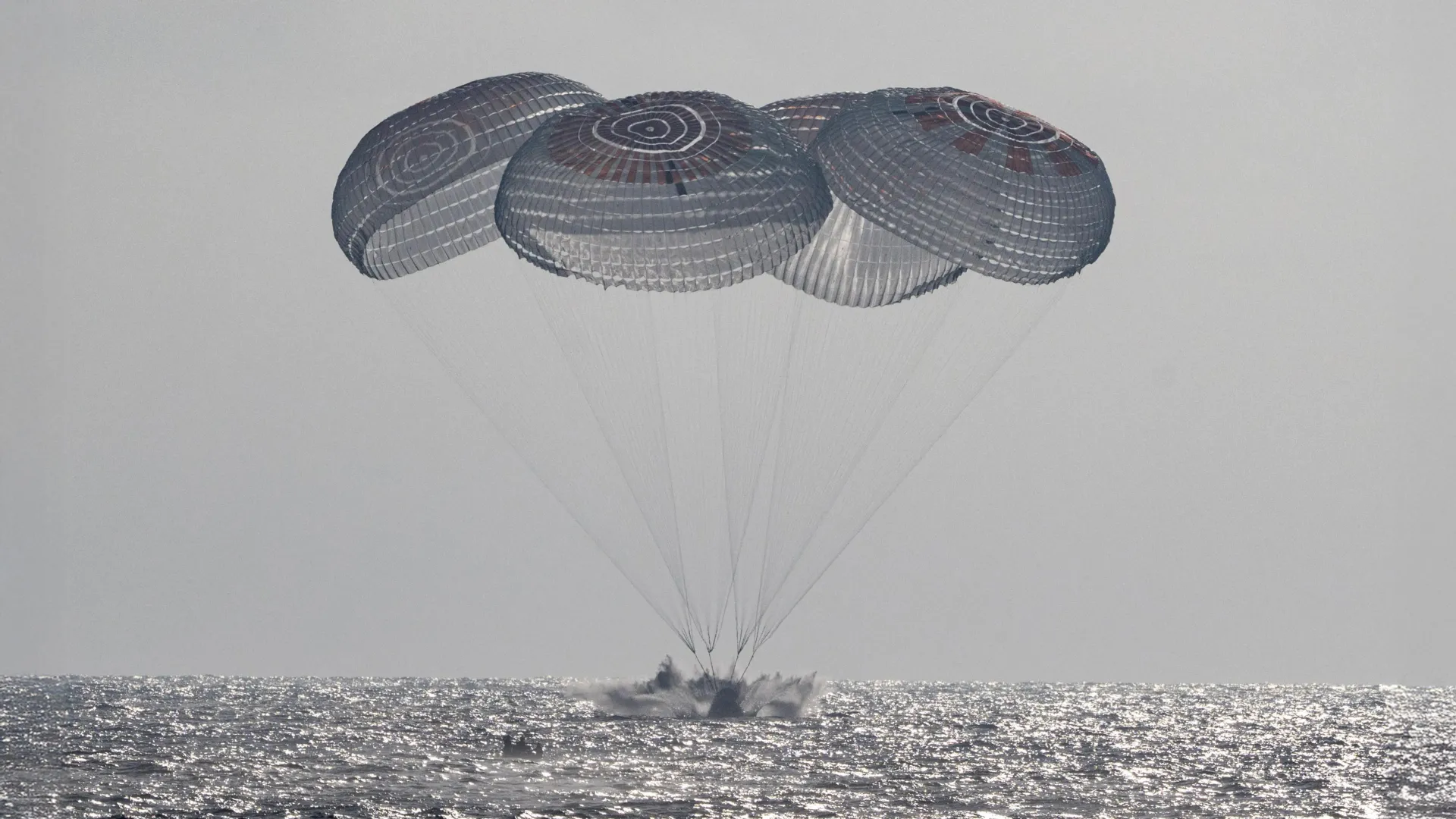
237 ദിവസത്തെ ബഹിരാകാശ വാസത്തിന് ശേഷം നാസയുടെ നാല് സഞ്ചാരികൾ സുരക്ഷിതമായി ഭൂമിയിൽ തിരിച്ചെത്തി. 10 കോടി മൈലുകൾ സഞ്ചരിച്ച ഇവർ ചന്ദ്രനിലേക്കും ചൊവ്വയിലേക്കുമുള്ള ഭാവി ദൗത്യങ്ങൾക്ക് നിർണ്ണായകമായ ശാസ്ത്രീയ പരീക്ഷണങ്ങൾ പൂർത്തിയാക്കി. പസഫിക് സമുദ്രത്തിൽ ഇറങ്ങിയ സംഘത്തെ സ്പേസ് എക്സ് ടീം ഏറ്റെടുത്തു. ഒക്ടോബർ 15-ന് ഹൂസ്റ്റണിൽ ഇവർ മാധ്യമങ്ങളെ കാണും.
The four astronauts spent 237 days in orbit, traveled more than 100 million miles, and completed thousands of trips around Earth while carrying out scientific experiments that could help shape future missions to the Moon and Mars.
NASA will host a news conference at 3:30 p.m. EDT on Thursday, Oct. 15, at Johnson Space Center in Houston, where returning crew members will discuss their experiences and research accomplishments.
"Jessica, Jack, Sophie, and Andrey spent 237 days living and working in orbit, traveled more than 100 million miles, advanced important science, and returned safely home because of the extraordinary expertise and competence of thousands across NASA, SpaceX, and our international partners," said NASA Administrator Jared Isaacman. "Building the capability, experience, and confidence to do this repeatedly is exactly what will allow us to go farther, and I am grateful to Crew-12 and their families for their service to humanity's greatest adventure."
NASA Astronauts Return After 237 Days and 100 Million Miles
The returning crew included NASA astronauts Jessica Meir and Jack Hathaway, ESA (European Space Agency) astronaut Sophie Adenot, and Roscosmos cosmonaut Andrey Fedyaev.
Their spacecraft touched down in the Pacific at 8:34 a.m. PDT. SpaceX recovery teams aboard specialized vessels reached the capsule shortly afterward and brought the astronauts and spacecraft aboard.
Following routine medical evaluations, the crew members will be transported to shore before traveling to NASA's Johnson Space Center in Houston.
"NASA's activities supporting the International Space Station -- transporting crew, conducting impactful research, and maintaining critical national assets -- enable the science, engineering, and risk‑reduction needed for future missions across the solar system," said Dana Weigel, manager of NASA's Low Earth Orbit Program at the agency's Johnson Space Center. "We're grateful for the dedication across the human spaceflight team that makes this possible, and we're thrilled to welcome Jessica, Jack, Sophie, and Andrey home."
Over the course of their 237-day stay, the astronauts circled Earth more than 3,792 times, accumulating over 100 million miles of travel.
For Meir and Fedyaev, Crew-12 marked their second journey into space. Hathaway and Adenot, meanwhile, completed their first space missions.
The crew launched on Feb. 13 at 5:15 a.m. EST, reaching and docking with the International Space Station the following day.
Space Station Experiments Could Help Future Moon and Mars Missions
Beyond the remarkable distance traveled, Crew-12 devoted hundreds of hours to scientific investigations designed to support future human exploration and improve life on Earth.
One research project explored ways to produce stem cells in space for potential use in cell-based medical treatments. Another demonstrated technology capable of producing IV fluids on demand, an ability that could become especially valuable during long-duration missions far from Earth.
The astronauts also investigated how pneumonia-causing bacteria may contribute to lasting heart damage. Understanding this relationship could offer new insights into cardiovascular health.
Other experiments focused on nutrition in space and how individual physical characteristics may influence blood flow during spaceflight. These studies could help researchers better understand the health risks astronauts face during extended stays in microgravity.
Together, the investigations provide valuable information about keeping humans healthy beyond Earth while testing technologies that may eventually support crewed expeditions to the Moon and Mars.
Historic Spacewalks Mark Crew-12 Mission
The mission also included significant milestones outside the space station.
Meir carried out four spacewalks during Crew-12, raising her career total to seven. That achievement places her third among NASA women for the most career spacewalks, behind former astronauts Peggy Whitson and Suni Williams.
With Crew-12 safely back on Earth, NASA has completed another extended mission that combined scientific research, international cooperation, and human spaceflight experience. The knowledge gained will contribute to preparations for more ambitious journeys beyond Earth's orbit.