
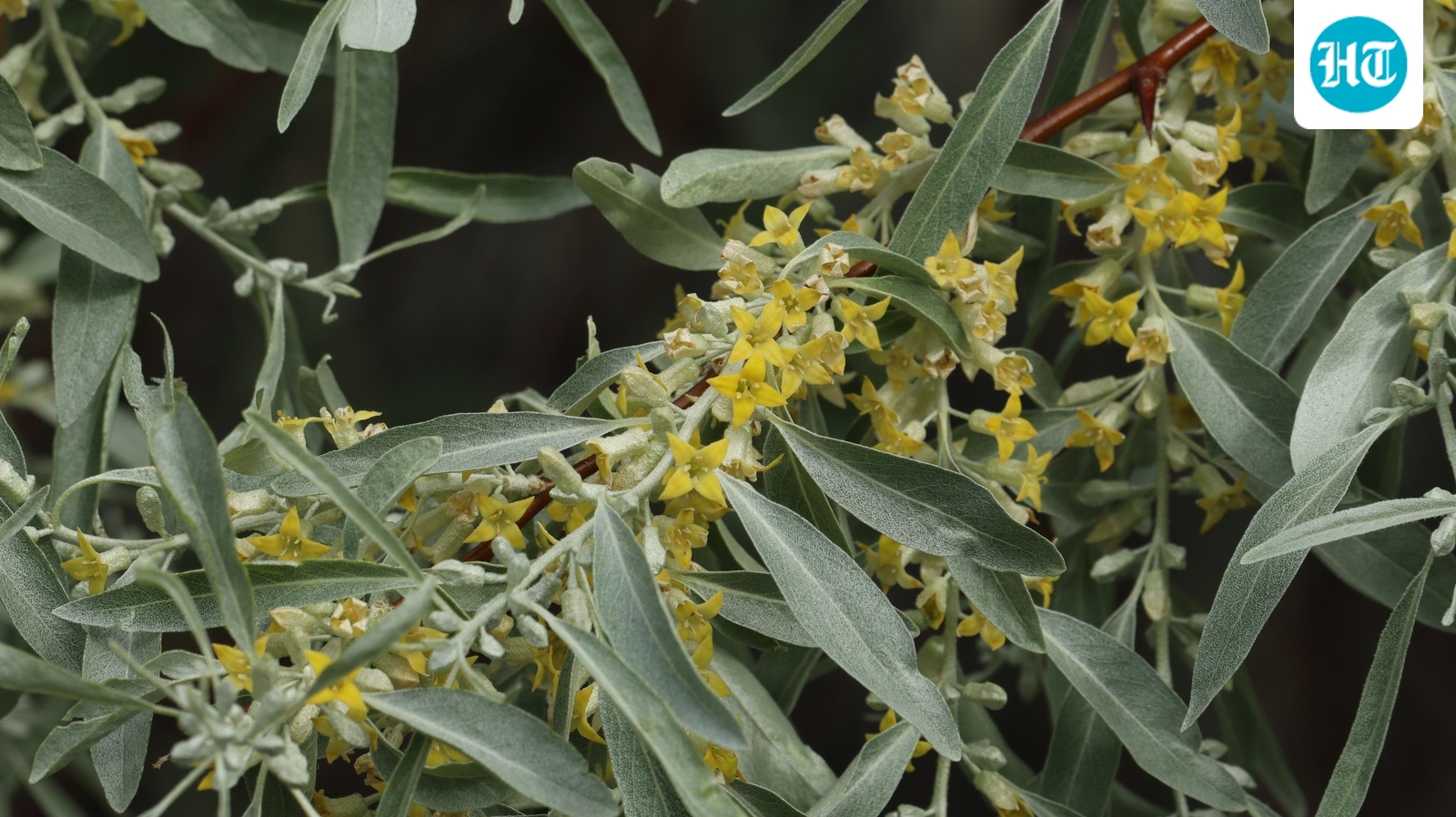
ഇരുപതാം നൂറ്റാണ്ടിന്റെ തുടക്കത്തിൽ കാറ്റും മണ്ണൊലിപ്പും തടയാൻ വടക്കേ അമേരിക്കയിൽ നട്ട റഷ്യൻ ഒലിവ് മരങ്ങൾ ഇപ്പോൾ പരിസ്ഥിതിക്ക് ഭീഷണിയായി മാറുന്നു. ഇവ തദ്ദേശീയ സസ്യങ്ങളെ നശിപ്പിക്കുകയും ജലസ്രോതസ്സുകളെ ബാധിക്കുകയും ചെയ്യുന്നു. പക്ഷികളിലൂടെയും വെള്ളത്തിലൂടെയും അതിവേഗം പടരുന്ന ഈ മരങ്ങളെ നിയന്ത്രിക്കാൻ അധികൃതർ പാടുപെടുകയാണ്.
Should I plant Russian olive as a shade tree, or is there a native alternative?
At the beginning of the 20th century, Russian olive was introduced to North America as a tree that could serve as a windbreak, prevent erosion, and provide wildlife shelter. The California Department of Fish and Wildlife describes the deciduous species as native to Europe and Asia. Over time, however, the tree became an invasive plant in parts of the United States.
The tree can spread beyond cultivated areas, particularly along riparian zones, the bands of land bordering rivers and streams. It is now considered invasive in much of California and in 16 other Western states. Once established, Russian olive can displace native plants, hinder their growth, and alter stream-bank hydrology. It is also difficult to remove because of its deep roots and ability to sprout again from the root crown. The state wildlife agency recommends detecting infestations early and removing the tree before it flowers.
How a useful tree went wild
Russian olive became popular because of its many practical uses. The USDA Forest Service's Fire Effects Information System lists shade, hedges, snowbreaks, soil stabilization, landscaping, and pollen for honeybees among its benefits. Government-sponsored programs helped establish the tree in Great Plains windbreaks during the 1930s and 1940s. Some federal and state agencies continued subsidizing seedlings in the 1980s and 1990s.
The consequences took time to emerge. Russian olive became prominent outside cultivated areas in the western United States roughly two to five decades after its introduction, according to the Forest Service review. Birds and other animals help disperse its seeds by eating the fruit. In southeastern Oregon, European starlings spread seeds that remained viable after passing through their digestive tracts. Water also aids dispersal, as ripe fruits can float for up to 48 hours. In Montana, trees typically begin producing fruit at around 10 years of age, while seeds stored under ordinary conditions can remain viable for up to three years.
The tree's ability to thrive in varied conditions helps explain its spread. Its seedlings can grow in full sun, under shade, or through heavy ground cover, while native cottonwoods and willows generally establish themselves in open, disturbed areas. Russian olive also tolerates saline and alkaline soils and can gain an advantage along regulated rivers, where reduced flooding may limit the growth of native trees. Along Washington's Yakima River, thickets of Russian olive have replaced black cottonwoods and native willows in some areas. Along the Milk River in Montana and Alberta, nearly 500 Russian olive seedlings and saplings were planted in the floodplain in 1950. Subsequent growth produced dense thickets in which other riparian species could not survive.
What to plant, and what to check first
For those seeking a shade tree without introducing an invasive species, the California Department of Fish and Wildlife recommends considering valley oak. This native deciduous tree provides habitat for birds and other wildlife and can offer substantial summer shade. However, it needs plenty of room because it can grow up to 100 feet tall.
Before removing a tree in your backyard or neighborhood, make sure you have identified it correctly. The Forest Service review notes that Russian olive can be confused with willows that have light green leaves, particularly sandbar willow. In California, the tree occurs in disturbed, sometimes wet areas, including the San Joaquin Valley, the San Francisco Bay Area, the eastern Sierra Nevada, and spring areas of the Mojave Desert.
Russian olive's history shows how a tree introduced for useful purposes can become an ecological problem as it spreads beyond cultivation. Checking a species before planting it can help prevent future removal work and protect native vegetation.