
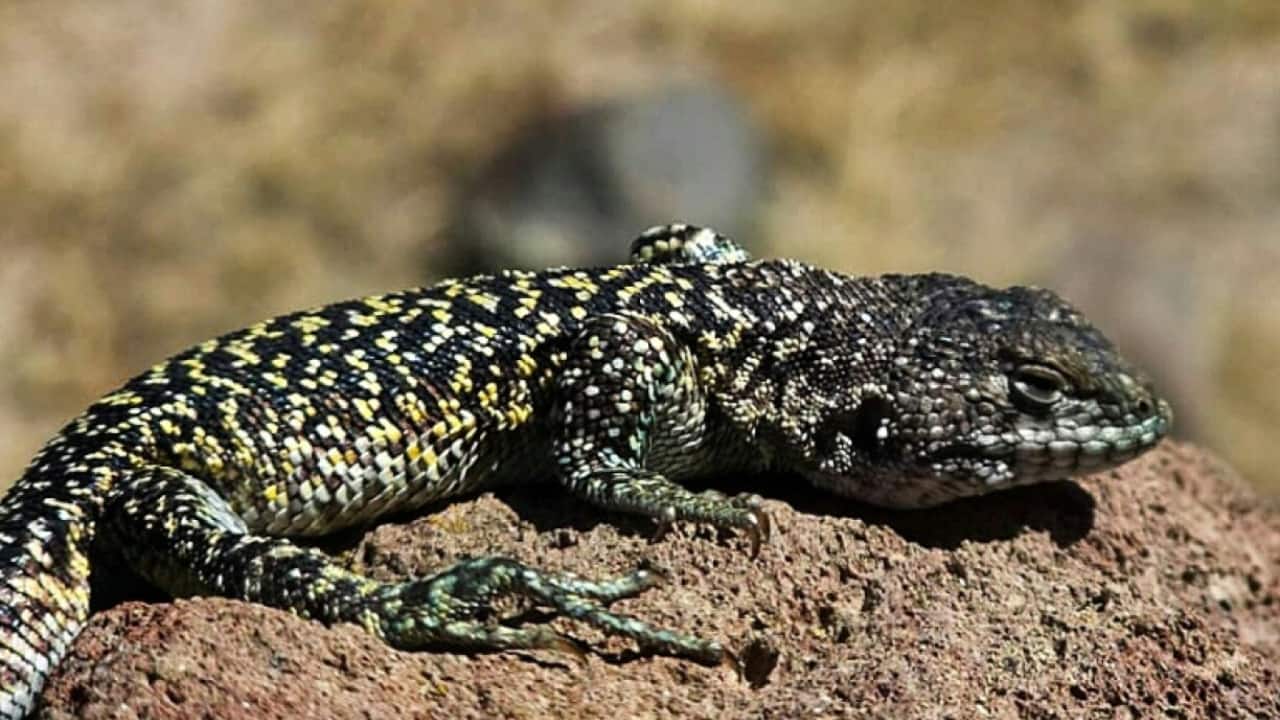
പെറുവിലെ ആൻഡീസ് മലനിരകളിൽ 4,818 മീറ്റർ ഉയരത്തിൽ പുതിയൊരു പല്ലിവർഗ്ഗത്തെ ശാസ്ത്രജ്ഞർ കണ്ടെത്തി. ലിയോലേമസ് അരെക്വിപെൻസിസ് എന്ന് പേരിട്ടിരിക്കുന്ന ഈ ചെറിയ ജീവി, അതിശൈത്യവും കുറഞ്ഞ സസ്യജാലങ്ങളുമുള്ള ഉയർന്ന പ്രദേശങ്ങളിൽ എങ്ങനെ അതിജീവിക്കുന്നു എന്നത് ഗവേഷകർക്ക് അത്ഭുതമാണ്. ഡിഎൻഎ പരിശോധനയിലൂടെയാണ് ഇവയെ തിരിച്ചറിഞ്ഞത്.
Scientists have identified a new lizard species in the Peruvian Andes, raising questions about how reptiles survive in extreme mountain environments. Named Liolaemus arequipensis, the small reptile was recorded at elevations reaching 4,818 metres above sea level in southern Peru. The discovery adds to the country's known reptile diversity and offers fresh insights into wildlife living in high-altitude ecosystems. The lizard has distinctive body markings and a varied diet, helping researchers distinguish it from closely related species. The findings highlight the importance of exploring remote mountain habitats, where many species remain poorly documented. A tiny lizard in a high-altitude habitat The newly described species belongs to the genus Liolaemus, a diverse group of South American lizards commonly found in the Andes. Researchers recorded the species at elevations ranging from 3,774 to 4,818 metres in Peru's Arequipa region. These mountain habitats experience cold temperatures, strong winds and limited vegetation. Such conditions make the discovery particularly interesting. However, scientists have not yet established the specific physiological adaptations that allow this lizard to survive at these elevations. What makes this lizard different? Liolaemus arequipensis has distinctive physical characteristics that help separate it from other members of its genus. Researchers examined its body patterns and other anatomical features to establish its identity. Genetic analysis also helped distinguish the species from closely related lizards. The study highlights how combining physical observations with DNA analysis can reveal species that might otherwise be overlooked. What does the lizard eat? The newly identified lizard has a varied diet that includes both plant material and small invertebrates. Its food sources include spiders, beetles, true bugs and insect larvae. This combination offers clues about how the reptile uses the resources available in its mountain habitat. The ability to feed on different food sources may be useful in an environment where food availability can vary with temperature and season. Why are scientists interested in its altitude? Finding a lizard at nearly 4,800 metres is significant because high-altitude environments present several challenges for reptiles. Cold conditions can affect their body temperature, movement and ability to remain active. Limited vegetation and harsh weather can also make survival difficult. However, the discovery does not yet explain exactly how Liolaemus arequipensis copes with these challenges. Further research could help scientists understand its behaviour, physiology and adaptations. A new addition to Peru's biodiversity The discovery adds to the growing understanding of Peru's rich wildlife. The country is home to hundreds of lizard species, many of which inhabit specialised environments. By documenting species in remote mountain regions, researchers can build a clearer picture of biodiversity and identify habitats that may need greater conservation attention. The study also demonstrates the value of combining field observations, anatomical comparisons and genetic research to identify previously undocumented species.