
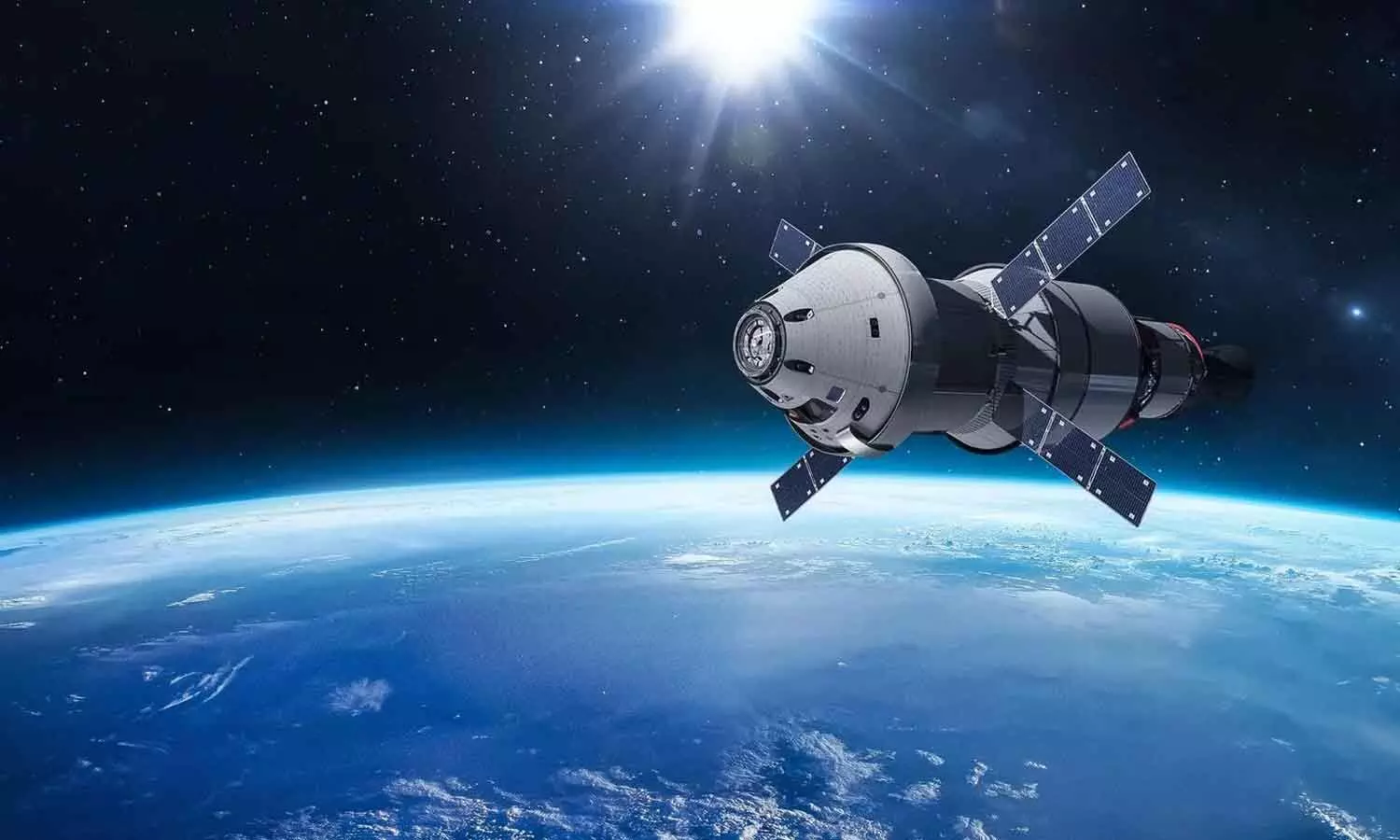
ശാസ്ത്രം, സാങ്കേതികവിദ്യ, ഗണിതം എന്നിവയിൽ യുവതലമുറയ്ക്ക് താൽപ്പര്യം വളർത്താൻ ലോക ബഹിരാകാശ വാരം സഹായിക്കുന്നു. ഉപഗ്രഹ സാങ്കേതികവിദ്യയും ബഹിരാകാശ ദൗത്യങ്ങളും നമ്മുടെ ഭൂമിയെ സംരക്ഷിക്കാനും കാലാവസ്ഥാ വ്യതിയാനങ്ങൾ മനസ്സിലാക്കാനും അത്യന്താപേക്ഷിതമാണ്. ഇന്ത്യയുടെ ബഹിരാകാശ നേട്ടങ്ങൾ പുതിയ തലമുറയ്ക്ക് വലിയ പ്രചോദനമാണ് നൽകുന്നത്.
One of the important purposes of World Space Week is to make young people interested in science, technology, engineering and mathematics. Events such as space talks quizzes, exhibitions, model building activities and student projects can turn curiosity into an interest in science. The idea is simple: a child looking at the Moon today could become the engineer who designs a spacecraft tomorrow.
As rockets become capable and space missions become more ambitious opportunities in the space sector are also growing. World Space Week gives a chance to look at those possibilities and remind us that space exploration is not about getting somewhere far away. It is, about pushing the limits of what we can learn, build and achieve.
Space technology is closer than we think
We live on Earth, we see that satellites help with communication, navigation, weather forecasting and monitoring changes in the environment. Satellites are a reminder of how far we have come.
Space‑based observations help scientists understand climate patterns, track disasters and study the planet. These applications show why investing in space science is not about exploring other worlds but also about finding better ways to understand and protect our own planet. Space science gives us tools that keep our world safe.
India has built a presence in space science and technology. Organisations such, as ISRO have contributed to satellite technology, launch systems and space missions while educational and outreach programmes continue to introduce students to the subject. I admire how India keeps pushing the limits of space science.
Inspiring the next generation
World Space Week has an important purpose. World Space Week is about getting people interested in science, technology, engineering and mathematics. It uses events like space talks, quizzes, exhibitions, model‑making activities and student projects. These events can turn curiosity into an interest in science. The idea is simple. A child looking at the Moon today could become the engineer designing a spacecraft tomorrow.
World Space Week shows that as rockets become capable and space missions become more ambitious opportunities in the sector are also expanding. It gives us a chance to look at those possibilities. This reminds us that space exploration is not about reaching somewhere far away. World Space Week is about pushing the limits of what we can learn, build and achieve.