
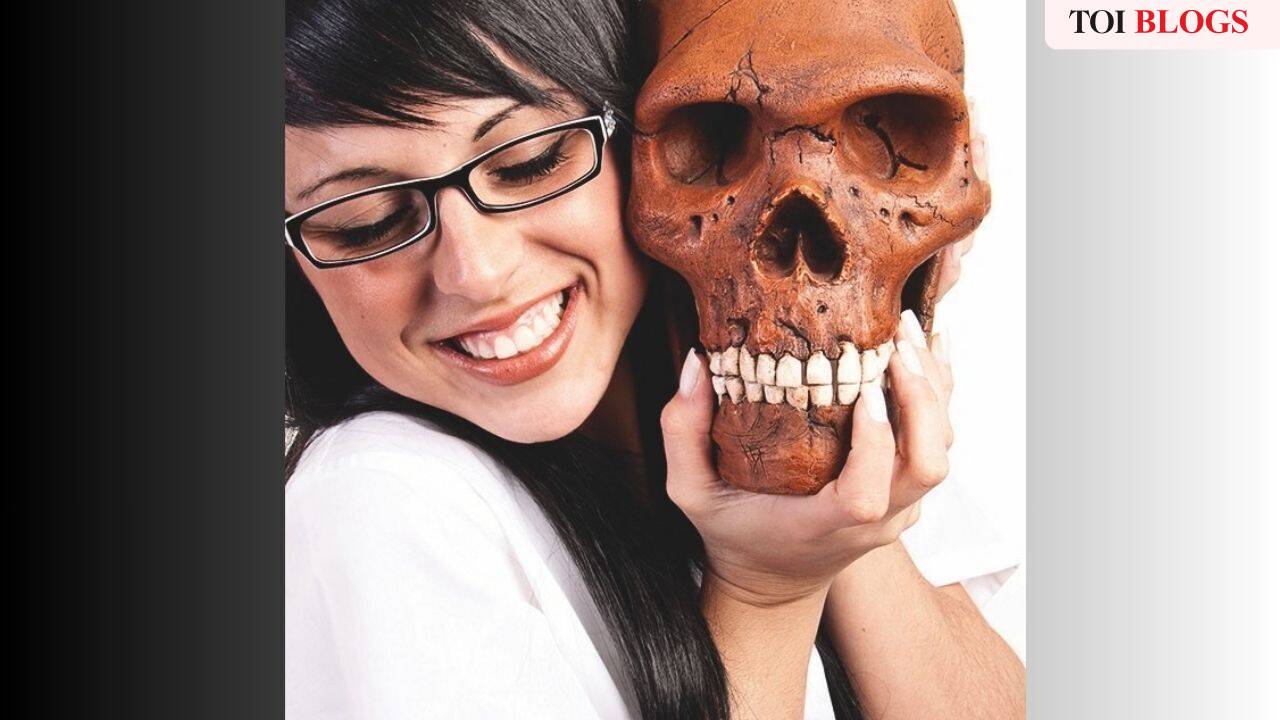
ആദം റഥർഫോർഡിന്റെ പുസ്തകം ഡിഎൻഎയെക്കുറിച്ചുള്ള തെറ്റിദ്ധാരണകൾ തിരുത്തുന്നു. മനുഷ്യപരിണാമം സങ്കീർണ്ണമായ ഒരു ലയനമാണ്, അല്ലാതെ ലളിതമായ രേഖീയ വളർച്ചയല്ല. ജനിതകഘടന വ്യക്തിത്വത്തെയോ കഴിവിനെയോ പൂർണ്ണമായി നിർണ്ണയിക്കുന്നില്ല. ഇന്ത്യയിലെ ജാതിവ്യവസ്ഥ ജനിതക വൈവിധ്യത്തെ എങ്ങനെ സ്വാധീനിച്ചുവെന്നും, രോഗനിർണ്ണയത്തിൽ ഡിഎൻഎയുടെ പരിമിതികളും ഈ ലേഖനം വ്യക്തമാക്കുന്നു.
Around the time the Human Genome Project started, so did Adam Rutherford's first degree in genetics. By the time the former finished, so did his PhD. His bestselling 2016 book, A Brief History Of Everyone Who Ever Lived: The Stories In Our Genes, distilled the HGP revolution and what was being revealed by DNA as a historical archive. A decade on, a "fully updated" version is out, as befits a super fast moving science.March of progress | This 1968 Time image of primates transitioning left to right into an upright modern human, may be the most famous scientific illustration in history. It's wrong. Rutherford himself carries a solid 2.7% NeanderthalDNA, as do most Europeans. Tibetanscarry adaptations for living at altitude, plucked from Denisovans. Denny, a teenaged girl, some 50,000 years ago, had a Denisovan father and Neanderthal mother. Our evolutionhas been a million-year "clusterfuck". It's not that non-sapiens went extinct. We all merged.Genotype isn't phenotype | Red-haired people have a version of MC1R, but a majority of people with this gene don't have red hair. Genetic ancestry is only probabilistic. Having Messi in your team doesn't guarantee the World Cup. And no, their DNA cannot reveal why Marilyn was so attractive, Einstein so intelligent, and Hitler so evil.Caste in DNA| This has been a strange evolutionary experiment. Gene variants of caste began to be stratified via endogamy at least 1,900 years ago in India. Less population mixing over all this time means that today, the range of genetic diversity here is up to four times greater than found in Europeans. Rutherford underlines that Indians of different groups are less similar to each other than a Scot is to a German.Disease matrix| Before getting elective surgery in Hyderabad, patients are asked if they are Vaishya. Because surgeons have found that anaesthetics make this population unconscious for unusually longer. Explanation? Random switching of a single letter in a gene associated with degrading molecules similar to anaesthetics in the blood. Globally, gene therapy is helping cure ever more diseases. But the picture has turned out to be more complex than this faulty gene causing that disease. Some journos call this a crisis. What it is, is science. To know more of what we don't know is progress.Does your family tree lie? | Dropping costs are incentivising personalised genomic testing in new markets. It satisfies our craving for our story, but it's very deceptive. The thing that's being mapped is places where there are people whose genetics most resemble yours. If the entire population of India moved to, say, Australia, then those being told they are 25% Indian, will instead be told they're 25% Australian.At race's end| The idea that Black people are better at sport because of genetics is another example of the chasm between popular opinion and what science says. 'Black' itself meanslittle when Africa contains much more human genetic diversity than rest of the world combined. Plus, the highest proportion of genetic differences are seen within racial groups, not betweenthem. A Namibian and a Nigerian mayshare skin colour, but majority of theirgenes are more dissimilar to each other than to a pale Swede. A Scottish and a Welsh Celt are more different to each other than either is to the English. In sum, as far as genetics is concerned, racedoesn't exist. And modern nationalist pride? It's a laugh.