
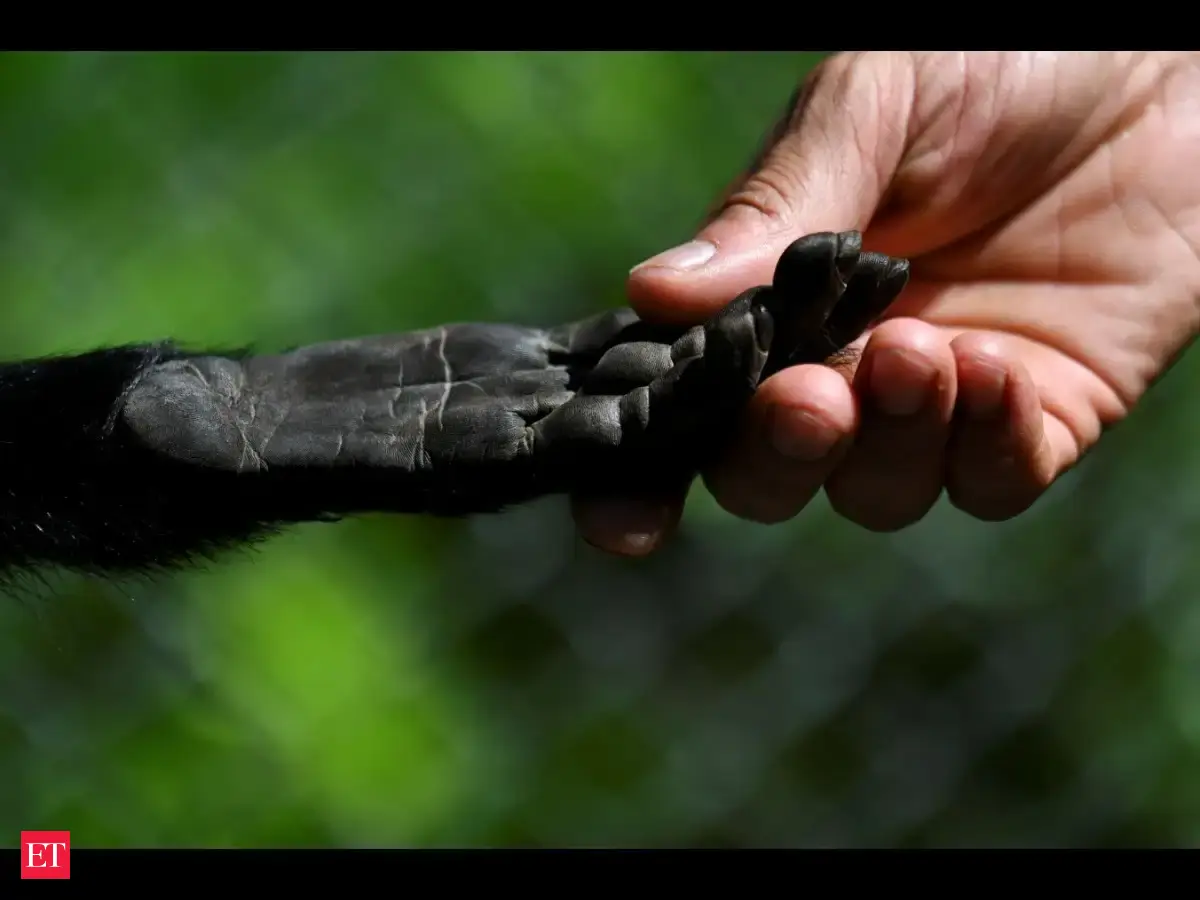
മനുഷ്യഭാഷയുടെ സവിശേഷതയായ സങ്കീർണ്ണമായ വ്യാകരണഘടനകൾ കുരങ്ങുകളിലും മറ്റ് ആൾക്കുരങ്ങുകളിലും ഉണ്ടെന്ന് പുതിയ പഠനം. മാർമോസെറ്റുകൾ, കൊളോബസ് കുരങ്ങുകൾ, ബോണോബോകൾ എന്നിവയുടെ ശബ്ദസന്ദേശങ്ങളിൽ 'റിക്കേഴ്സീവ് ഗ്രാമർ' എന്ന ഘടന ഗവേഷകർ കണ്ടെത്തി. മനുഷ്യന്റെ ഭാഷാശേഷി പരിണാമത്തിന് മുൻപേ മൃഗങ്ങളിൽ നിലനിന്നിരുന്നോ എന്നതിലേക്കാണ് ഈ കണ്ടെത്തൽ വിരൽചൂണ്ടുന്നത്.
Recent investigations reveal that primates, such as marmosets, colobus monkeys, and bonobos, possess intricate call patterns. By studying their call sequences, researchers discovered resemblances to the grammatical structures found in human language. This opens the door to understanding how the ability for complex communication might have surfaced even before the advent of modern human language.
The call of a monkey is probably just an ordinary scream but its combination of sounds can actually give a hint of some complexity in animal communication. According to recent research, three species of primates have organized their calls in a pattern similar to grammatical patterns in human languages, thus defying the assumption that some complex grammars are exclusive to humans.
In the research conducted by Remo Nitschke, a linguist at the University of Zurich, the vocalizations of common marmosets (Callithrix jacchus), olive colobus monkeys (Procolobus verus) and bonobos (Pan paniscus) were analyzed. They discovered that the sequences of calls in all three species show patterns that can be described using a complex type of grammar called supra-regular recursive grammar. The paper, released as a preprint on bioRxiv in September 2026, has not been peer reviewed yet.
How primate calls could follow rules similar to human languageHuman language is not merely a succession of spoken words. Humans have the ability to build sentences out of shorter phrases and put one phrase inside another phrase. In the sentence, "The monkey that the scientist observed was calling," the words that describe the monkey can be found within the context of the longer sentence.
This nesting process is referred to as recursion and is an ability of humans to build sentences and make sense of the information contained in them.
There has been previous scientific research on patterns of communication in animals, which has demonstrated simple patterns in sequences of animal calls. On the other hand, more complex grammar, including the nesting of sentences, was seen as unique to human language.
In order to determine whether primates were able to produce more complex structures in their calls, the scientists built two mathematical models. One model was based on a straightforward sequence of calls, where one call would depend on the preceding call with probability.
The other accounted for more complicated relationships, in which smaller groups of sounds could be organised within larger sequences.
Initially, both models were tested by using human speech recordings to see if they can recognize various types of grammatical structure. Next, the two models were tested using recordings of all three primates to see which one can predict the order of their calls better.
The findings implied that certain sequences of calls were better accounted for by the complex model, which suggests that primates can utilize hierarchical structure of their calls and not just sequence them in a linear way.
"We show for the first time that animals generate call sequences that can be captured by supra-regular recursive grammars and hence share more similarities with human language than previously thought," the researchers wrote.
What this reveals about the evolution of languageThey also leave room for further investigation regarding the evolution of such complex structures of communication.This finding suggests that some abilities associated with complex communication might have existed before modern languages evolved in humans, although it is not known whether this trait was passed down to humans from their common ancestor or independently acquired by each lineage.
Nevertheless, it should be pointed out that the research in no way suggests that either monkeys or apes use sentences, understand grammar or convey abstract concepts in the way that is common for human beings. Mathematical models detect only patterns in the combination of calls, but they cannot prove their meaning or even suggest that animals consciously organize them in accordance with grammar rules.
It should also be mentioned that such patterns could exist only from a structural point of view, like the arrangement of musical notes, without any informational sense. Moreover, the datasets used in the research were rather small, so the larger research is needed to confirm its results.
"Disentangling these possibilities requires much further research," the authors noted.
Despite these limitations, the findings challenge the assumption that complex grammatical structures are exclusive to humans.
"Our findings reset the agenda for research on the evolution of language: if not syntax, what is the critical step that enabled the evolution of language from a primate-like communication system?" the authors concluded.