
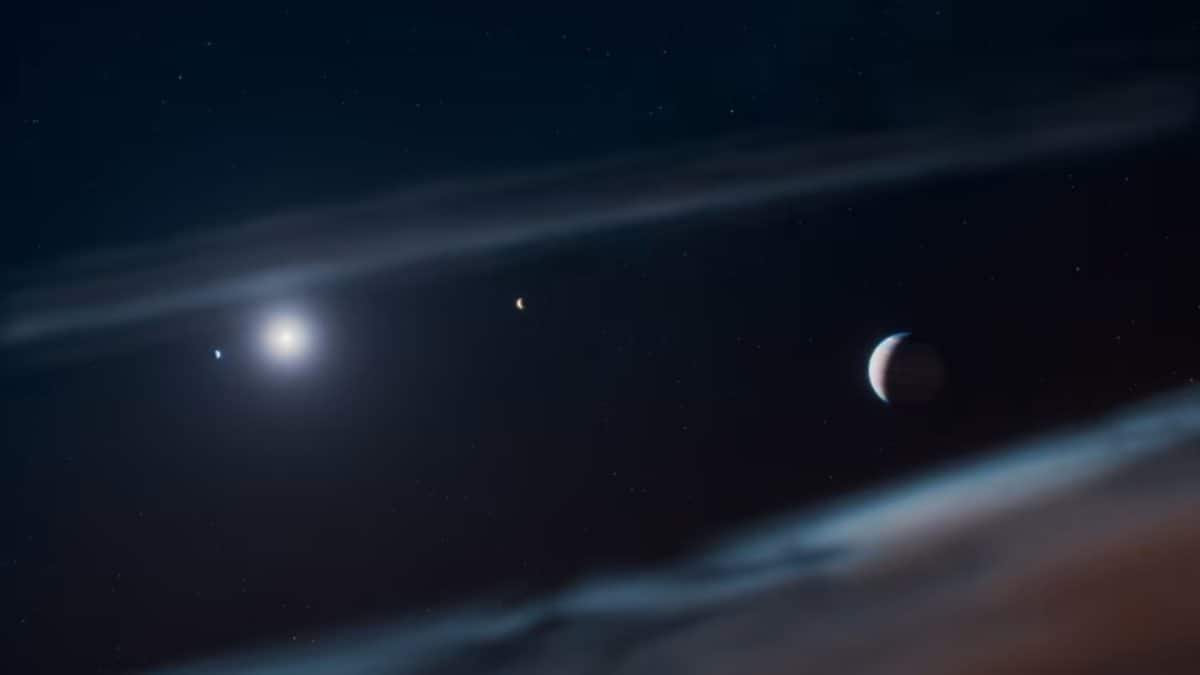
സൗരയൂഥത്തിന് പുറത്തുള്ള ബീറ്റാ പിക്റ്റോറിസ് ബി എന്ന ഗ്രഹത്തിൽ നിന്ന് റേഡിയോ തരംഗങ്ങൾ കണ്ടെത്തി. ഇത് അന്യഗ്രഹജീവികളുടെ സാന്നിധ്യമല്ല, മറിച്ച് ഗ്രഹത്തിന്റെ അതിശക്തമായ കാന്തികക്ഷേത്രമാണെന്ന് ഹാർവാർഡ് സർവകലാശാലയിലെ ഗവേഷകർ വ്യക്തമാക്കി. ഭൂമിയുടെ കാന്തികക്ഷേത്രത്തിന് സമാനമായ പ്രതിഭാസമാണിതെന്നും, ഗ്രഹത്തിന്റെ സംരക്ഷണത്തിന് ഇത് അത്യന്താപേക്ഷിതമാണെന്നും പഠനം പറയുന്
In a breakthrough, astronomers said that they have directly detected the first-ever radio emission from a planet outside our solar system. However, they made it clear that the detection signals a colossal magnetic field -- not intelligent life, CNN reported. "I know radio signals are associated with searches for extraterrestrial intelligence," said Edo Berger, a professor of astronomy at Harvard University. "But this is something very different."
The discovery entails traces of repeating radio bursts that appear to come from the exoplanet Beta Pictoris b. It is located just 63 light-years away from Earth, which is deemed a short distance in astronomical terms. The gas giant emitting these signals is about 12 times the mass of Jupiter. It is one of the three planets orbiting a young star that is 1.75 times as massive as the Sun.
In their research, which will soon be published in a peer-reviewed journal, Berger maintained that the processes associated with the planet's magnetic field produce the radio emission. According to CNN, the study came from a team at the Centre for Astrophysics | Harvard & Smithsonian in Cambridge, Massachusetts.
The detection also involves auroras similar to Earth's northern lights -- the spectacular displays sparked by magnetic storms involving charged particles from the Sun. "In order to see radio waves that extend all the way to the frequencies that we observed, you need an incredibly strong magnetic field," added Berger, a coauthor of the paper posted September 15 to the preprint platform ArXiv.
Why it matters?
It is pertinent to note that not all planets have a magnetic field, and those that have one benefit from a natural shield that deflects disruptive energy. Earth's magnetic field, for example, protects our atmosphere from being stripped away by solar wind. "The magnetic field on this planet is at least 200 times stronger than the magnetic field of Jupiter," Berger said, referring to Beta Pictoris b.
According to NASA, Jupiter's magnetic field is powerful enough to generate a magnetosphere -- the region of space influenced by the magnetic field -- that ranks as the largest structure in our solar system. It stretches up to 2 million miles towards the Sun.
Not only this, but Jupiter's magnetic field also creates striking auroras when electrically charged particles spewed from volcanoes on its moon Io become trapped around the field's poles. As the gas giant in our solar system rotates, it emits a glow and radio signals. "As these very high-energy particles are spiralling inside the magnetic field, along with the aurora, they also produce radio waves," Berger said.
Astronomers refer to these types of signals as auroral radio emission. This phenomenon has been previously observed from Jupiter, Saturn and the Sun, as well as stars outside the solar system and cool objects known as brown dwarfs, an intermediate between a star and a planet. Berger went on to call the discovery monumental, as he said: "Radio observations can give us a completely new view on planets beyond our system."