
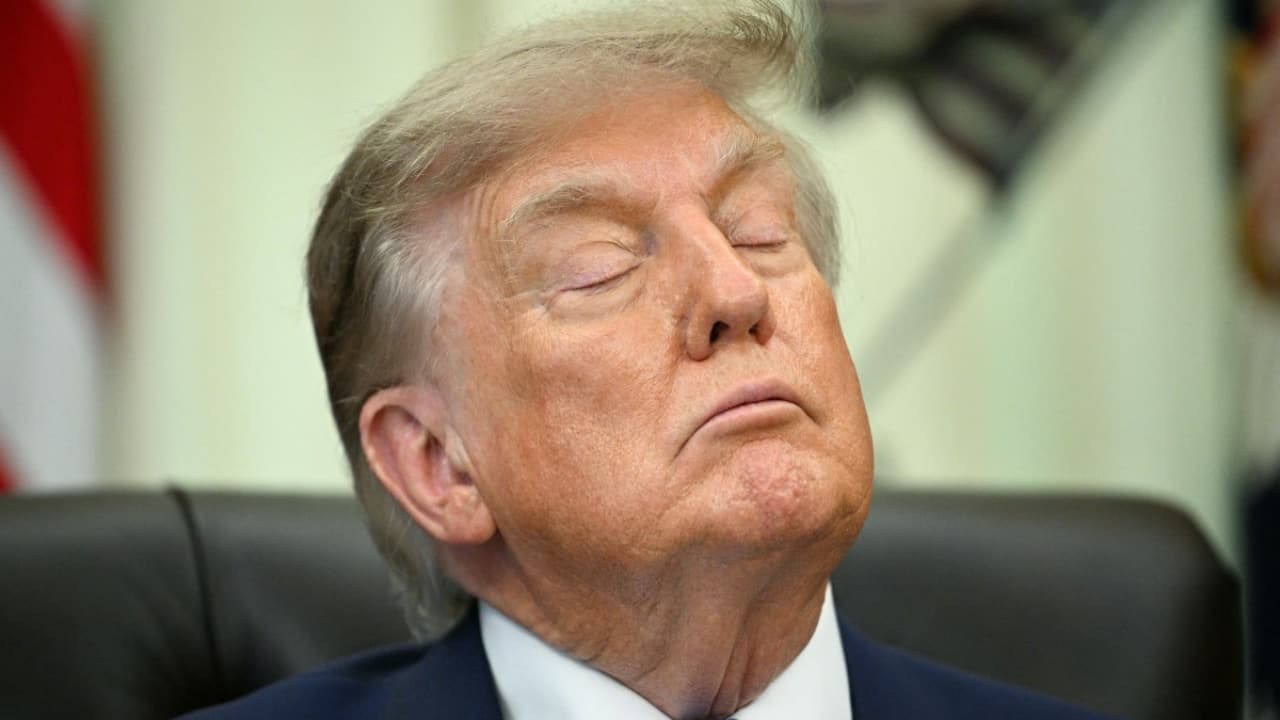
The 2026 US midterm elections will see 435 House seats and 35 Senate seats contested in November. While Donald Trump is not on the ballot, voters might treat the vote as a referendum on his presidency. Many Americans blame his policies for inflation, though voters also feel confused by Democrats.
With the 2026 US midterm elections approaching, one question is increasingly coming into focus: will the vote become a referendum on Donald Trump's second term? Trump himself is not on the ballot, but the outcome could determine how much political space he has for the remainder of his presidency. All 435 seats in the House of Representatives and 35 of the 100 Senate seats will be contested in November. If Republicans lose either chamber, Democrats would gain greater control over congressional committees and oversight, potentially making it harder for Trump to advance his agenda. The biggest test could come from the economy. Trump returned to the White House in 2024 promising to bring down prices and avoid foreign wars. Instead, Americans are dealing with continued inflation, higher energy costs amid the Iran war, tariffs that have raised costs for some goods and higher borrowing expenses. That is becoming a political problem for Republicans. An AP/NORC poll cited in the analysis found that 65% of Americans said higher-than-usual prices were more because of Trump's policies than factors outside his control. The Iran war could further complicate the picture. In Michigan, a key swing state, voters in a recent focus group raised both affordability and the war when discussing Trump. Some undecided voters said their dissatisfaction with the President could make them less willing to support Republican candidates. But a backlash against Trump does not necessarily mean a Democratic victory. The same Michigan voters also expressed deep reservations about the opposition party, describing Democrats as "sad", "lost", "confused", "disparate" and "untrustworthy". That leaves the midterms unusually open-ended. Democrats appear to be gaining ground, with the Cook Political Report forecasting a five-to-15-seat net gain in the House. But Republicans retain advantages, including redistricting, campaign spending and the Democrats' own unpopularity. The key question, therefore, is whether voters will treat the midterms primarily as a judgment on Trump's record or as a choice between two unpopular political parties. The answer could determine whether Trump spends the second half of his presidency with Congress as an ally or as a check on his power.