
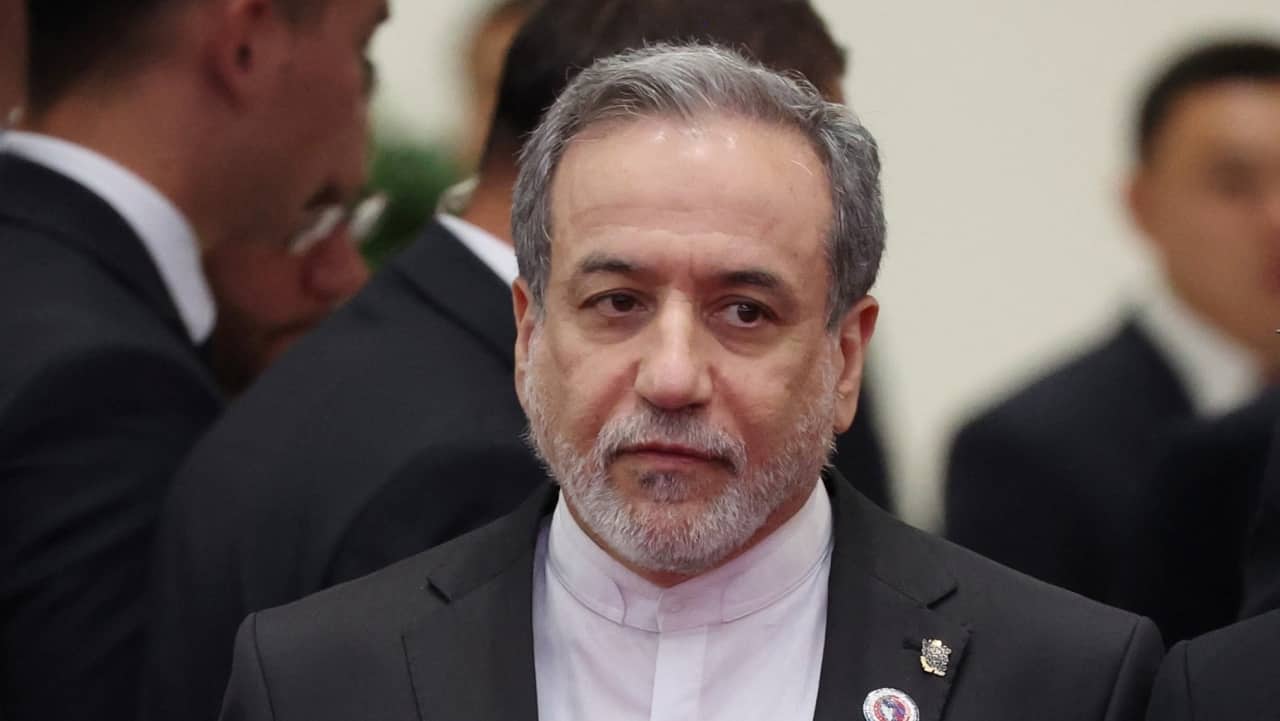
US Secretary of State Marco Rubio ordered Iranian Foreign Minister Abbas Araghchi and his delegation to leave the United States after talks stalled. Washington said they "overstayed their welcome" following the UN General Assembly. Iran rejected this, saying they left as scheduled. The group traveled to Doha on Tuesday morning.
US-Iran diplomatic channel hits fresh roadblock as Rubio reportedly orders Tehran delegation out The already fragile diplomatic channel between Washington and Tehran has come under fresh strain after indirect negotiations during the United Nations General Assembly in New York failed to produce a breakthrough. According to Axios, US Secretary of State Marco Rubio ordered Iranian Foreign Minister Abbas Araghchi and his delegation to leave the United States earlier than planned, citing the lack of progress in talks. Araghchi had remained in New York after Iranian President Masoud Pezeshkian left following his UN General Assembly appearance. The foreign minister had taken part in indirect discussions with US officials and regional mediators over a possible end to the conflict, the reopening of the Strait of Hormuz and the resumption of negotiations on Iran's nuclear programme. According to Axios, the US mission to the UN informed Iran's mission on Monday evening that Araghchi and his delegation had to leave New York "immediately". A US official cited by the outlet said the Iranian delegation had "overstayed their welcome", adding: "The UN General Assembly was over, so it was time for them to go." Araghchi and his team subsequently left New York early Tuesday and travelled to Doha. Iran rejects US account Tehran has disputed the suggestion that its delegation was expelled or ordered out of the country. The Iranian UN delegation said its departure had followed a schedule that had already been communicated to the US State Department on September 17. "The Iranian delegation left New York on Monday evening, in accordance with the schedule that had also been communicated to the US Department of State in advance on September 17," it said in a statement posted on X. "Having achieved nothing, the State Department has resorted to propagating baseless and worthless news," the delegation added. The competing accounts underline the continuing tension surrounding the diplomatic process. While Washington describes the departure as a consequence of stalled negotiations, Tehran says it was simply following a previously communicated itinerary. What were the US-Iran talks about? The latest discussions were conducted indirectly. US envoys Steve Witkoff and Jared Kushner held talks involving Araghchi, while Qatari officials acted as intermediaries between Washington and Tehran. The negotiations focused on Iran's proposal for reopening the Strait of Hormuz and restarting nuclear talks. Tehran had proposed a seven-day framework under which the waterway would be reopened and nuclear negotiations resumed if Washington lifted its naval blockade, eased sanctions on Iranian oil exports and restored a regional ceasefire. Trump rejected the proposal last week, saying: "They have made a proposal and I rejected it." However, Trump subsequently indicated that further discussions could take place. "I expect more talks with Iran [this week]. They want to make a deal, but it is not the deal that I want to make," he told Axios. He added: "It is what we would have maybe agreed to a year ago. They overplayed their hand." Araghchi has meanwhile maintained that Tehran remains open to diplomacy. "We only care about our national interests. We are ready for negotiations," he told NBC, according to Axios. Washington and Tehran remain divided The central disagreement concerns what each side expects from a possible agreement. Iran has sought to make the Strait of Hormuz, sanctions, the US naval blockade and a regional ceasefire central to the process. Washington has insisted that any settlement must include commitments on Iran's nuclear programme. US officials have also said there would be no agreement unless the nuclear issue is addressed. Qatar has continued trying to bridge the differences. Recent talks reportedly involved a Qatari compromise proposal intended to address both Iran's demand for an end to the US blockade and Washington's demand for nuclear concessions. Axios reported that the discussions had produced little progress, with neither side willing to make the concessions required for a breakthrough. The latest developments therefore leave the diplomatic channel open but under considerable strain. Araghchi's departure from New York has added another point of disagreement between Washington and Tehran, even as Qatar and other intermediaries continue efforts to find common ground.