
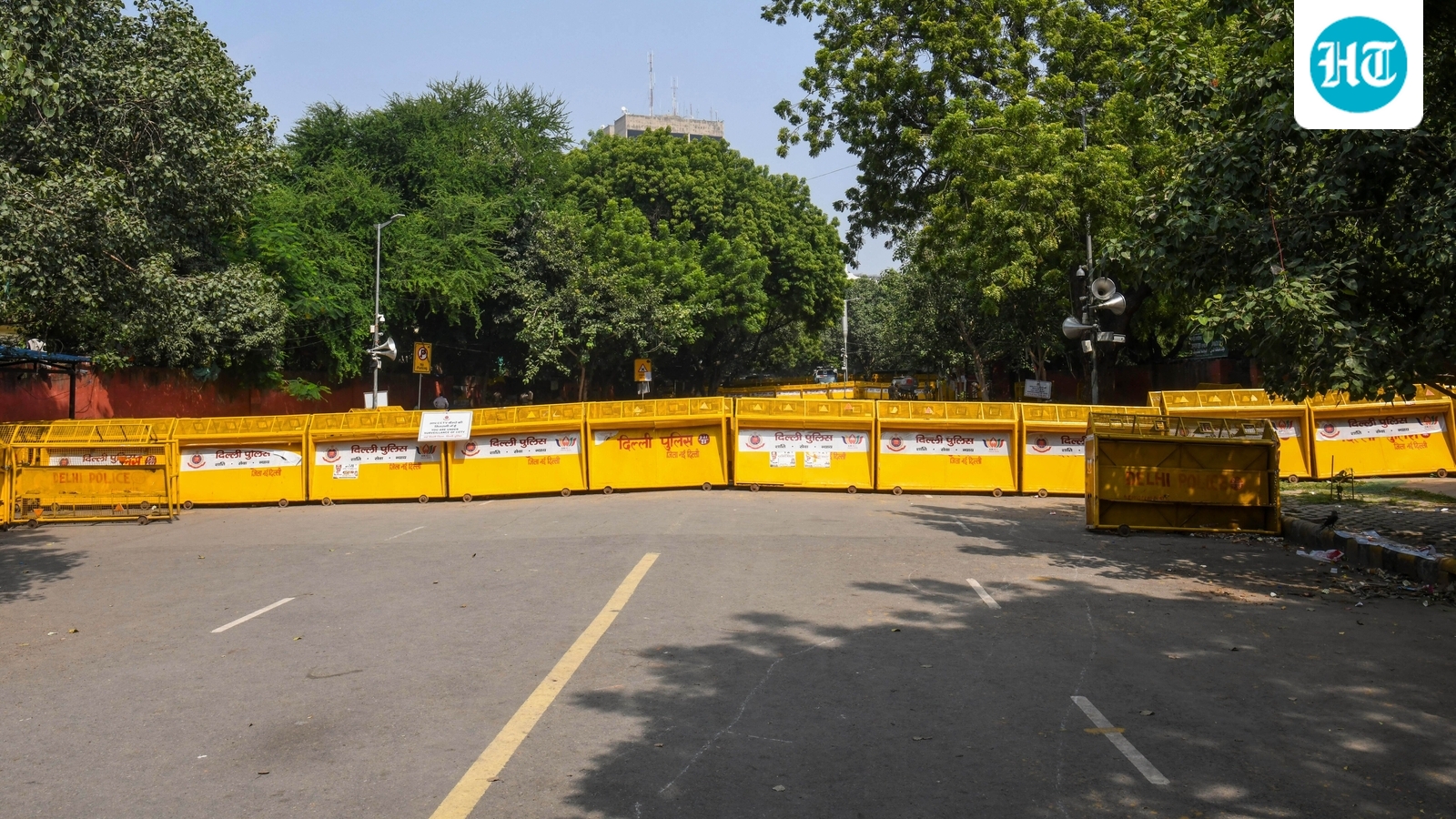
The Associated Press reported the first major physical protest in June 2026. The movement shifted from online satire to street mobilisation, raising questions about foreign funding and organisational support. Experts said, "Digital communities can evidently become organised political pressure through planned external support," urging a probe into these hidden links.
The transition of the ongoing movement from online satire to street mobilisation gives the controversy practical significance. The Associated Press reported its first major physical protest in June 2026 and quoted its social media call to turn the joke into a revolution. Digital communities can evidently become organised political pressure through planned external support, as has been seen in different countries where elected governments have been overthrown through violent street protests. That raises questions about financing, account administration, promotional spending, and organisational direction, particularly when a newly propped-up social group with political objectives acquires substantial reach before establishing transparent structures. Therefore, it is critical to examine all these aspects before lending political legitimacy to the leadership of such a movement.
Overseas commentators on India’s internal political and security issues also play an important role in this debate. Publications and interviews by Left-Communist-Islamist western media advance a strongly critical interpretation of the ruling government in New Delhi and its policies. Some reports have alleged that overseas funding and commentary, including work associated with such media, contributed to electoral interference in India. Another example is YouTube vloggers within India and abroad who have been creating propaganda videos to provoke the Indian audience. Videos like why the "Modi Govt is scared of Cockroach Party" shows how influential vloggers can amplify an anti-government movement and frame its political significance in India. This kind of communication can connect domestic controversies with overseas audiences, including the Indian diaspora. Key questions include undisclosed sponsorship, coordinated distribution of social media content, and operational links.
Furthermore, Pieter Friedrich, referred to in some reporting as Peter Friedrich, was named in Delhi Police’s allegations about the 2021 farmers’ protest toolkit. He has been openly running hate propaganda not just against the Indian government but against the Indian diaspora, especially members of the Hindu community, in the United States. His name appears in almost all major anti-India protests in the US, and his open support for banned secessionist outfits in India is already known. The activities of these individuals raise a genuine question about why foreign citizens are so aggressively involved in spreading dangerous propaganda against a democratically elected government in India. More importantly, who is supporting their activities, and what is the end goal? The so-called ‘Gen Z revolutions’ in countries like Nepal and Bangladesh have only caused political and economic disruptions without any good governance benefits. Several reports indicate likely involvement by western foreign entities and oligarchs in both countries, leading to street violence and overnight uprooting of elected political representatives. Similar scenes are currently played out in France and Belgium where Communist-Islamists are riding on the student protests to weaken the incumbent regimes through breakdown of law and order and chaos.
Foreign actors seeking political leverage could exploit dissatisfaction through concealed funding, fabricated material, coordinated accounts, or inflammatory messaging. Repetition across videos, articles, and social platforms could make a coordinated campaign appear as spontaneous public consensus. Overseas audiences can help circulate messages, support advocacy and attract international attention to domestic disputes in India. If those channels are covertly directed or financed, they could enable external interests to influence Indian politics through intermediaries.
Manipulated mobilisation could intensify social divisions, encourage confrontation and impede government processes in India. When demonstrably false claims or deliberate incitement by vested interests accompany mass protests, risks could extend to street violence and political instability. However, addressing genuine grievances also reduces opportunities for external actors to exploit them.
Other countries already recognise the need for legal safeguards against foreign interference. Germany’s Criminal Code, Section 99, criminalises intelligence activity for a foreign power directed against Germany and aimed at supplying information. The German example supports targeted enforcement grounded in identifiable conduct. Similarly, Britain’s National Security Act 2023 creates a foreign-interference offence. Its Foreign Influence Registration Scheme also requires disclosure of qualifying arrangements to conduct political influence activities under foreign-power direction. Australia’s Foreign Influence Transparency Scheme similarly requires registration of specified activities undertaken on behalf of foreign principals, subject to exemptions. These include lobbying, communications and disbursement activities of foreign entities. Australia also separately criminalises foreign interference involving covert, deceptive or coercive conduct.
These approaches offer India a practical principle: political sovereignty requires visibility into who pays, who directs and who coordinates external influence in the country. Registration and disclosure obligations can make relevant relationships visible before a crisis develops. India should examine whether its existing arrangements adequately capture digital campaigning, indirect sponsorship and organised influence conducted through foreign intermediaries.
A credible inquiry should examine funding trails, advertising purchases, account-control records, organisational communications and specific evidence of incitement. It should distinguish ordinary audience engagement from artificial amplification and identify any connections between online coordination and unlawful conduct in any form, including incitement of violence, hate speech, or fake propaganda activities against the elected leadership of India. Independent oversight, opportunities to respond, and publication of substantiated findings would strengthen the credibility of its conclusions.
In conclusion, India should establish an independent, time-bound inquiry into allegations of foreign-backed interference intended to provoke disturbances or create political instability. Its remit should examine ongoing movement, certain foreign-based commentators and so-called activists, pursuing individual investigations wherever credible evidence warrants them. The objective must be to expose any concealed foreign direction, hidden role of any foreign government entity, establish responsibility and recommend enforceable safeguards. India’s elected institutions and citizens deserve a definitive, evidence-based account of whether external influence is attempting to manipulate their political future.