
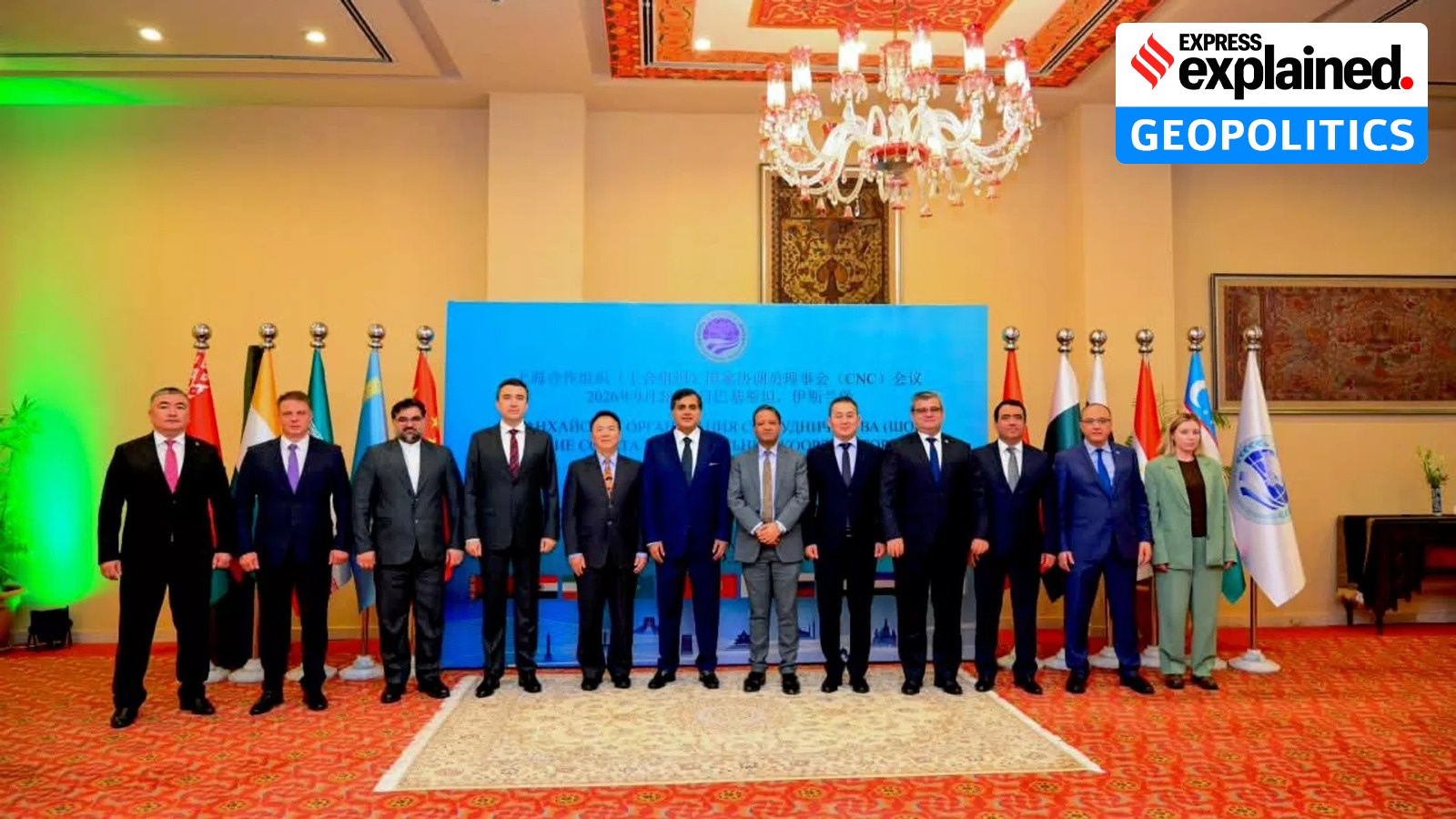
India sent senior official Alok Dimri to Pakistan this week for the Shanghai Cooperation Organisation national coordinators' meeting in Islamabad. This visit marks a pragmatic move to maintain diplomatic presence. An official said, "If you are not part of the table, you are on the menu." India continues watching developments.
India sent a senior official to Pakistan this week for the Shanghai Cooperation Organisation (SCO) national coordinators' meeting, the first visit by an Indian official delegation since Operation Sindoor last year.
The SCO Council of National Coordinators meets under a rotational annual chair. Pakistan assumed the presidency after the Bishkek summit on August 31-September 1, so the meeting took place in Islamabad.
For India, as an SCO member, attending was an obligation. Despite the state of bilateral ties, Delhi sent Alok Dimri, a 1998-batch Indian Foreign Service officer. Dimri is an Additional Secretary in the Ministry of External Affairs and a former ambassador to Kyrgyzstan. He has also served as joint secretary in charge of G20 and BRICS, and has been posted in China, Mongolia and New York.
It was also the first such visit since External Affairs Minister S Jaishankar travelled to Pakistan for the SCO heads of government meeting in October 2024.
Amid the freeze in bilateral ties, the visit has five key takeaways.
Diplomatic tightrope for India
First, India is in a diplomatic tough spot. The US has been seen to side with Pakistan just as Delhi tries to portray Pakistan as a state sponsor of terrorism. China, Pakistan's all-weather friend, helped it during Operation Sindoor with weapons and live satellite intelligence. In this unfavourable environment, Delhi has had to engage with Pakistan and China in multilateral formats. PM Modi met Chinese President Xi Jinping at the SCO summit in Tianjin, and Xi visited India for the BRICS summit in September.
Engaging with Pakistan at the SCO is a calculated, pragmatic move, since it is better to have situational awareness of how Islamabad plans to conduct its activities under the SCO umbrella. India will watch the tone and direction of Pakistan's SCO-related activities.
India hosted a G20 tourism working group meeting in Kashmir in May 2023, and Indian officials will watch whether Pakistan hosts meetings in Pakistan-occupied Kashmir. They will also watch for maps showing India's territories as part of Pakistan or China in SCO documents, banners, posters and other printed or digital material.
An Indian official familiar with the strategy explained the rationale: "If you are not part of the table, you are on the menu. So, it is important for us to be in the room."
PM Modi's potential visit to Pakistan
Second, Pakistan is certain to invite PM Modi to the SCO leaders' summit in Pakistan next year. The dates are yet to be announced, and whether the PM attends will be a political call. India boycotted the SAARC summit in Pakistan and Modi has not travelled there since 2016, so this is a bridge to be crossed at an opportune time. The SCO meetings will help assess the possibility of a visit.
Trump factor
Third, the Russia-Ukraine and US-Iran wars have consumed global attention, with no end in sight. Trump's unpredictable behaviour and support for Pakistan Army chief Asim Munir have emboldened Rawalpindi over the past year and a half.
India must be careful about the ramifications of any future conflict with Pakistan as long as Trump is in office, until January 2029. Limited diplomatic engagement, apart from military-level contact, leaves a door ajar for communication.
India responding to Pakistan's claims
Fourth, Delhi will not take provocative statements from Pakistan lying down, as its muscular rhetoric at the SCO foreign ministers' meeting in Goa and at the UN General Assembly this year has shown. Any Pakistani statement on Kashmir or terrorism will draw a strong Indian response.
The China challenge
Fifth, the challenge from China is far more consequential for Delhi than Pakistan. The border standoff since May 2020 is the bigger threat. Keeping both fronts calm is a strategic objective for India, and multilateral contacts often help defuse tension.