
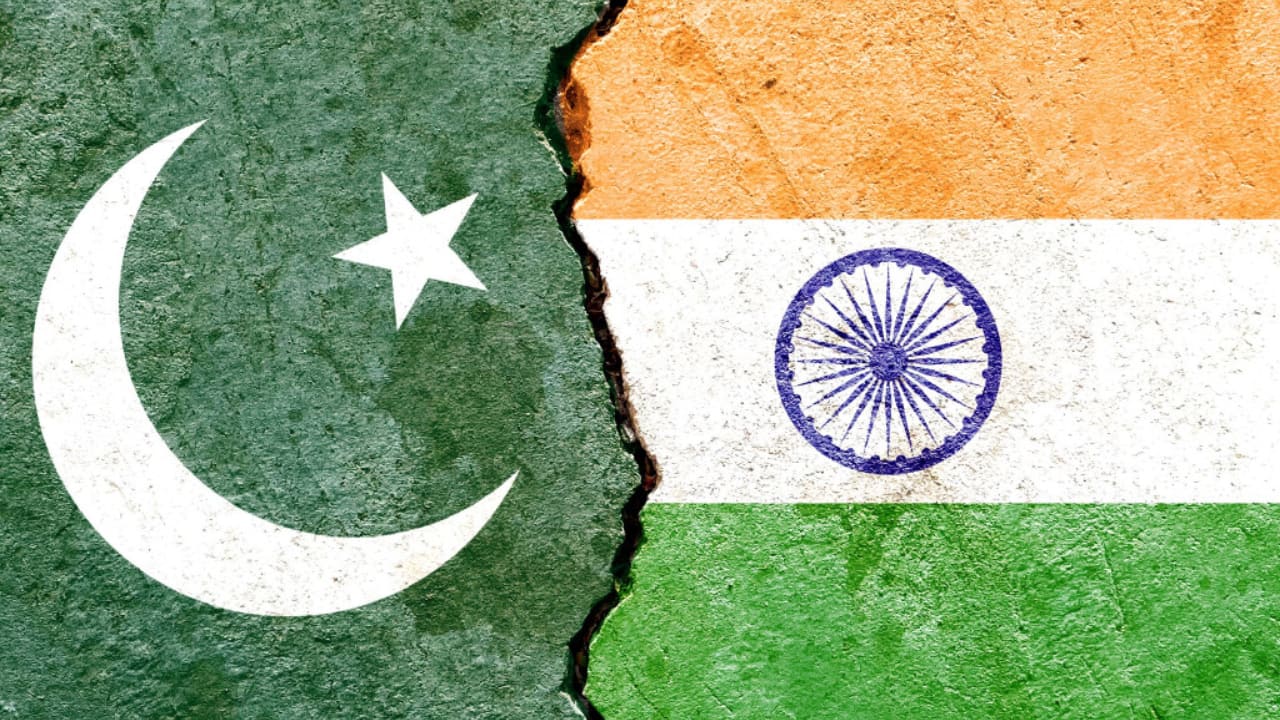
India slammed Pakistan over cross-border terror at the 81st UN General Assembly. BJP MP Biplab Kumar Deb said India’s right to protect its people cannot be questioned. He urged global action against those who finance or sponsor attacks, while pushing for a stronger international legal framework to ensure total accountability.
India has reiterated its strong opposition to cross-border terrorism at the United Nations General Assembly, with BJP MP and national general secretary Biplab Kumar Deb accusing Pakistan of supporting terrorist activities in Jammu and Kashmir and asserting India's right to protect its people and territory. Addressing the Sixth Committee of the 81st UN General Assembly, which deals with international legal issues, Deb called for stronger global action against terrorism and said those who carry out, organise, finance or sponsor terror attacks must be held accountable. Deb alleged that Pakistan had set up base camps for terrorist groups along the border and continued to support terrorism in Jammu and Kashmir. He also reaffirmed India's right to defend itself against attacks originating across its borders. His remarks came as India pushed for a stronger international legal framework to ensure accountability not only for terrorists who carry out attacks but also for those who organise, finance or otherwise facilitate them. Referring to the Pahalgam terror attack, in which 26 civilians were killed last year, Deb said those responsible for cross-border terrorism must face accountability. The Resistance Front, described by India as a proxy of Pakistan-based Lashkar-e-Taiba, had claimed responsibility for the attack. India has consistently accused Pakistan of sponsoring cross-border terrorism. India subsequently carried out strikes against terrorist infrastructure in Pakistan and Pakistan-occupied Jammu and Kashmir following the Pahalgam attack, maintaining that the action was part of its right to respond to terrorism. At the UN, Deb reiterated that India's right to protect its citizens from terrorism cannot be challenged. He also stressed that there should be no distinction between different forms of terrorism or any justification for attacks targeting civilians. India renews push for global anti-terror convention A key part of Deb's intervention was India's renewed call for the early adoption of the Comprehensive Convention on International Terrorism (CCIT), a proposal New Delhi first put forward in 1996. The convention has remained under negotiation for almost three decades, with countries divided over several provisions, including how to distinguish terrorism from groups that some states describe as freedom fighters. Deb argued that the international community needs a stronger legal framework to ensure that everyone involved in terrorism is held responsible, including those providing financial, organisational or logistical support. He also highlighted the growing use of emerging technologies by terrorist organisations, including for recruitment, radicalisation, propaganda, operational planning and financing. India's broader counter-terrorism priorities, as outlined by Deb, include disrupting terror financing, strengthening nationally owned counter-terrorism capabilities, addressing terrorist ideology, protecting victims and dismantling terrorist infrastructure. The intervention placed Jammu and Kashmir and the threat of cross-border terrorism at the heart of India's call for a stronger international legal and institutional response to terrorist networks and those supporting them.