
ഡൽഹിയിലെ ജന്തർ മന്തർ 2.0 സമരവും തിരഞ്ഞെടുപ്പ് കമ്മീഷണർക്കെതിരായ പ്രതിപക്ഷത്തിന്റെ ആരോപണങ്ങളും രാഷ്ട്രീയ അന്തരീക്ഷം ചൂടുപിടിപ്പിക്കുന്നു. വോട്ടർ പട്ടികയിലെ ക്രമക്കേടുകൾ ഉന്നയിച്ച് രാഹുൽ ഗാന്ധിയടക്കമുള്ളവർ സർക്കാരിനെതിരെ രംഗത്തുണ്ട്. വരാനിരിക്കുന്ന സംസ്ഥാന തിരഞ്ഞെടുപ്പുകളിൽ ഈ തെരുവുസമരങ്ങൾ എന്ത് സ്വാധീനം ചെലുത്തുമെന്നതാണ് നിലവിലെ പ്രധാന ചോദ്യം.
Events are moving with an unusual rapidity, with the Cockroach Janta Party's (CJP) "Jantar Mantar 2.0" arriving in Delhi on October 10, the Opposition upping the ante on its demand for the resignation of Chief Election Commissioner (CEC) Gyanesh Kumar, and Leader of Opposition (LoP) Rahul Gandhi ramping up the stakes by promising action not only against the CEC but also against Prime Minister Narendra Modi, Union Home Minister Shah, and RSS chief Mohan Bhagwat.
The battle lines are now sharply drawn politically and not limited to the irregularities in the Special Intensive Revision (SIR) of electoral rolls or to a row over Form 6.
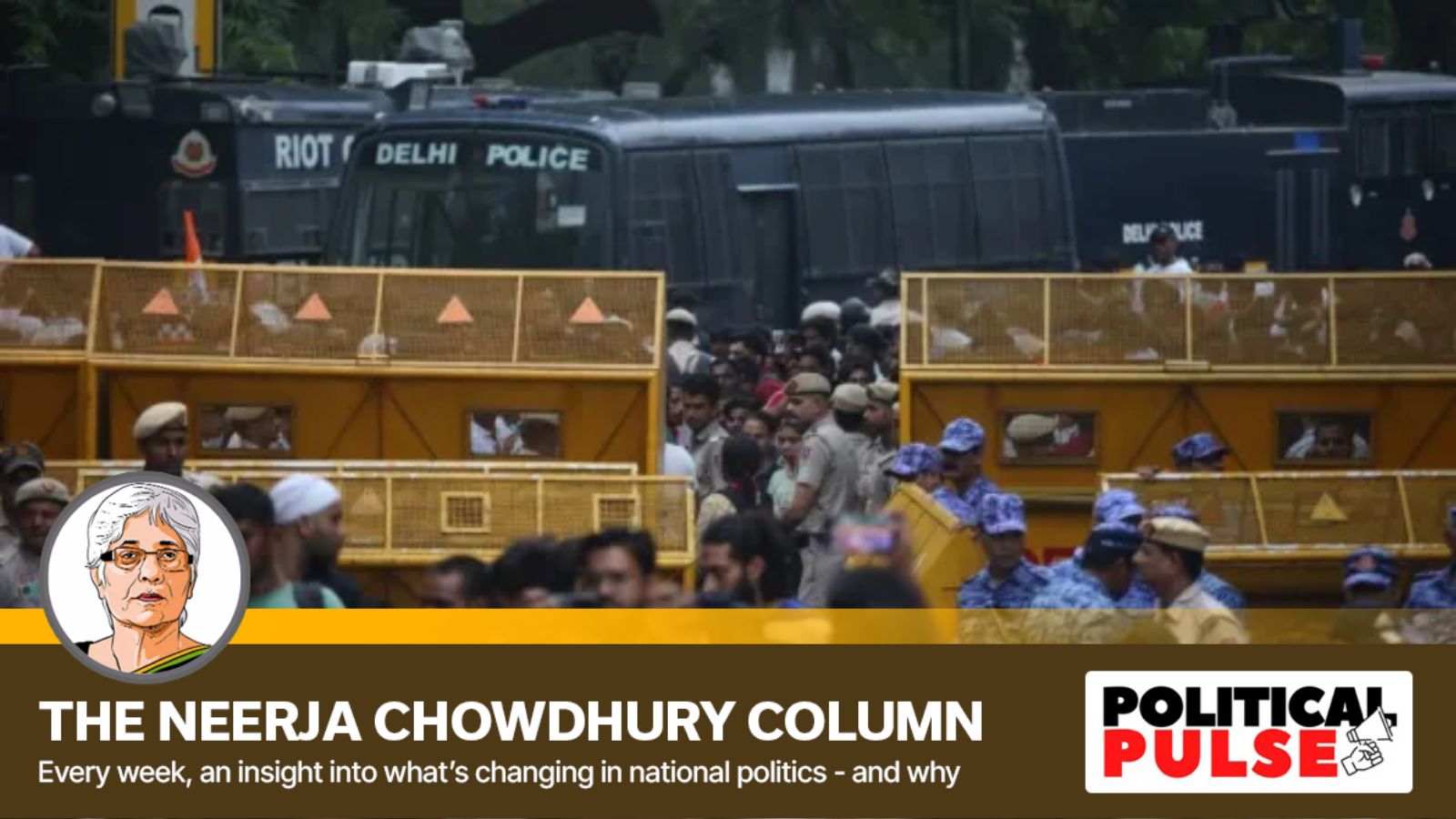
The BJP, which has been on the back foot, has been trying to regain initiative. In an obvious change of strategy, it handled the politically driven protests in Delhi with a heavier hand than in Maharashtra, where the October 2 CJP protests at Shivaji Park went off peacefully. However, with the CJP now moving into the national capital from Saturday, the government has decided to go in for a clampdown, barricading central Delhi, moving in a large number of security forces, shutting down 57 metro stations, cancelling trains coming into the city, and appealing to those in other cities to desist from travelling to Delhi.
The moot question, however, remains. To what extent will the escalating street politics influence the ground opinion in the states going to the polls early next year? The issue of alleged "vote chori (theft)" that Opposition parties are raising may lose some of its potency if the BJP manages to win many of the impending state polls. It has, not unexpectedly, won the two bypolls in West Bengal, a state it had wrested from the TMC in May.
The BJP maintains that the proof of the pudding is in its eating. In other words, it is poll victories which determine which way public opinion is inclined. The Congress is contesting this viewpoint, saying poll victories can no longer be held as decisive if the voter roll clean-up is disputed.
At stake in UP
Though elections are due in Uttar Pradesh, Uttarakhand, Punjab, Himachal Pradesh, Goa, Manipur, and Gujarat, the mother of all battles will be fought in UP, and its outcome may determine the direction of national politics in the next two and a half years.
This is so not only because UP is a large state, or because it invariably influences prime ministerial fortunes, having thrown up eight of India's 14 Prime Ministers. This time the stakes are undoubtedly high for both sides, but higher for the BJP. After being in power for 13 years, the party may lose momentum for 2029 if it loses the state and challenges mount.
A clear hat-trick win for Uttar Pradesh CM Yogi Adityanath might make him unstoppable. He has, by and large, escaped the odium of the "chanda chori (donation theft)" allegations in the Ram Temple, which have hurt the image of the RSS.
Over the years, Adityanath has acquired a national following. He is sought by the party to campaign in different state elections. Besides, he has the backing of the RSS and Mohan Bhagwat, who has praised him on numerous occasions. Many BJP supporters see in him a figure who will further the party's "Hindu civilisational" agenda.
On the other hand, if the Opposition wins, it will receive an impetus, with Akhilesh Yadav in the CM seat again and Rahul Gandhi's politics getting a fillip in the Hindi heartland.
The BJP's Rajya Sabha list from UP has raised eyebrows. It is made up of names not known even to political veterans in the state. In a drastic move, the party changed all eight Rajya Sabha MPs from the state, including Union Petroleum Minister Hardeep Singh Puri, once a distinguished diplomat.
The choice of the BJP's Rajya Sabha nominees is geared more to reaching out to certain communities increasingly disenchanted with it. Three of them are from the Other Backward Classes (OBCs), three are upper castes, and two are Dalits. Akhilesh took away the votes of some of the non-Yadav OBCs in the 2024 elections with his PDA (Pichhda, Dalit, Alpasankhyak) pitch, to which he has added another "P" (Pandit) this time. Akhilesh is also trying to give a modern image to his party, reaching out to, among others, India Inc.
The Brahmins, over the years a solid vote bank of the BJP, are increasingly unhappy with the party, aggrieved over the "Rajput Raj" under Adityanath, the UGC norms tilted in favour of the OBCs, and the "chanda chori" scandal.
At one time, during Indira Gandhi's time, the Congress enjoyed the support of Brahmins, Muslims, and Dalits -- which made it win elections. The Congress recently appointed a Brahmin woman, Aradhana Misra, as the UP party chief. But winning back Brahmin support is easier said than done, given the party's organisational weaknesses. With a last-minute one, the Congress has also given itself little time to do anything substantive.
Dalit vote fragmented
The Dalit vote is up for grabs in UP and indeed in the Hindi heartland today. The PM may play the Dalit card in the form of Chirag Paswan who, from all accounts, is planning to contest seats in UP this time, particularly in eastern UP. He is expected to cut into the Dalit vote that gravitated towards the INDIA alliance in 2024. Much will depend on how many seats the BJP gives his Lok Janshakti Party (Ram Vilas) and, even more important, how Jantar Mantar 2.0 pans out in the coming weeks. This is a moment for Paswan to strike to carve out a role for himself that goes beyond Bihar, where he has openly criticised the BJP government.
The Dalits are a fragmented lot in UP today. Mayawati's BSP is on the wane and Chandra Shekhar Azad's influence is limited to the areas around Bijnor. Will the Dalits shift to the INDIA alliance the way they did in 2024, when they feared an end to reservation constitutionally guaranteed to them if the BJP won?
you may like
Even as parties have their eyes fixed on the Lucknow throne, the catchword this time is "unity". It is unity in the BJP -- whether Adityanath and the central leadership can walk in step on ticket distribution, which did not happen in 2024. And it is the resolve with which the SP and the Congress are able to come to an agreement on seat-sharing that may well determine the outcome of the impending Mahabharat in Gangaland.
But all eyes are also on how the ground shifts after October 10 and the extent to which it influences voter choices in the country's largest state.
(Neerja Chowdhury, Contributing Editor, The Indian Express, has covered the last 11 Lok Sabha elections. She is the author of How Prime Ministers Decide.)