
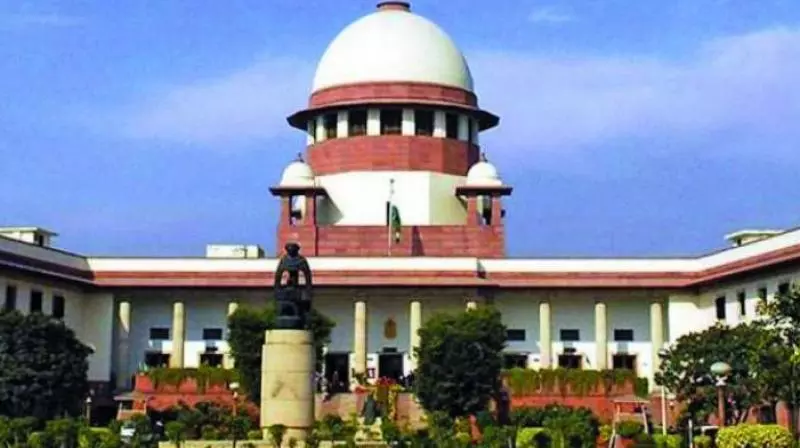
ചീഫ് ഇലക്ഷൻ കമ്മീഷണർ ഗ്യാനേഷ് കുമാർ ഏകപക്ഷീയമായി തീരുമാനങ്ങൾ എടുക്കുന്നുവെന്ന് ആരോപിച്ച് സമർപ്പിച്ച ഹർജികൾ സുപ്രീം കോടതി തിങ്കളാഴ്ച പരിഗണിക്കും. മറ്റ് കമ്മീഷണർമാരുടെ അനുമതിയില്ലാതെ സിഇസി സ്വീകരിച്ച നടപടികൾ ഭരണഘടനാ വിരുദ്ധമാണെന്നും, അദ്ദേഹത്തെ സസ്പെൻഡ് ചെയ്യണമെന്നും ഹർജിയിൽ ആവശ്യപ്പെടുന്നു. മൂന്നംഗ ബെഞ്ചാണ് കേസ് വാദം കേൾക്കുന്നത്.
The Supreme Court will hear petitions on October 5 seeking action against CEC Gyanesh Kumar and challenging alleged unilateral decisions linked to SIR.
The Supreme Court is scheduled to hear on Monday a batch of petitions seeking the suspension of Chief Election Commissioner Gyanesh Kumar and challenging decisions allegedly taken by him without the approval of the two election commissioners.
A three-judge bench comprising Chief Justice of India Surya Kant, Justice Joymalya Bagchi and Justice V. Mohana will hear the petitions filed by Patna resident Rakesh Kumar Singh and advocate Shailendra Mani Tripathi. The pleas challenge decisions, guidelines and software changes allegedly made by the CEC without the concurrence of his colleagues.
Tripathi's petition, filed through advocate Chand Qureshi, seeks a declaration that such decisions are unconstitutional, beyond the CEC's powers and void if taken without the concurrence of the full Election Commission or contrary to its majority view.
He has also sought the initiation of criminal proceedings against Kumar and other officials for alleged breach of official duty. The court agreed on Tuesday to hear the petitions after the matter was mentioned before the CJI-led bench.
Singh's public interest litigation asks the court to determine whether the CEC has individually exercised powers that belong to the Election Commission as a whole and, if so, declare those actions unauthorised and take appropriate legal action.
"Direct that respondent No.3 (CEC) shall not exercise the functions of Chief Election Commissioner of India pending final hearing of the present petition; direct that during such period, the business of the Commission be transacted by the unanimous decision of respondent Nos. 4 (Sukhbir Singh Sandhu) and 5 (Vivek Joshi); and direct that any appointment to the resulting vacancy be made upon the recommendation of a Committee, including the Hon'ble Chief Justice of India," the plea stated.
It argues that suspending the CEC pending the final hearing would restore the Commission's multi-member character.
The petitions follow a news report alleging that election commissioners Sukhbir Singh Sandhu and Vivek Joshi had raised at least 14 objections over 10 months to decisions and orders on the special intensive revision (SIR) of electoral rolls that they said were issued without their knowledge or recommendation.
The Election Commission has maintained that differing views and observations are a normal part of institutional deliberations and that all its orders carry full legal sanction and follow established statutory procedures.
Singh's petition names the Union law ministry, the Election Commission, Kumar, Sandhu, Joshi and senior EC official Maneesh Garg as respondents.
"This petition concerns not the fortunes of any individual constitutional functionary, but the constitutional identity of the Election Commission of India itself. Article 324(1) of the Constitution does not vest the superintendence, direction and control of elections in an individual Chief Election Commissioner. It vests those powers in 'a Commission'," the plea said.
It argues that the constitutional scheme separates membership of the Commission from its chairmanship, and the chairmanship from the Commission's powers.
According to the petition, Sandhu and Joshi recorded at least 14 objections between October 2025 and August 2026. These concerned communications allegedly issued in the Commission's name without its approval, the absence of meeting agendas and minutes, changes to statutory Form-6, access to and control of the ERONet/ECINet electoral-roll database, changes in IT work allocation and appeals filed in the Commission's name before appellate tribunals in West Bengal.
"Declare that the powers vested under Article 324 of the Constitution are constitutionally required to be exercised by the ECI as a multi-member collegial body, and that no communication, order, direction, appeal or other act may be issued or represented as an act of the Election Commission save pursuant to a decision of the Commission taken unanimously or, upon disagreement, by majority," the petitioner submitted.
The plea relies on written objections attributed to the two election commissioners but cautions that the allegations should not be treated as conclusively established merely on the basis of media reports.
It seeks the Commission's primary records, including minutes, agendas, approval sheets, file notings, work-allocation orders, IT-access records, server logs and database-change histories. It also seeks the preservation of relevant physical and electronic records, including correspondence.
The petition asks the court to examine the legality of the disputed Form-6 alteration and certain IT work-allocation measures. Subject to the records produced, it also seeks scrutiny of who authorised the West Bengal appeals and under what authority.
Form-6 is the statutory form used for electoral-roll registration. The petition says Joshi objected on May 16, 2026, that the form could not lawfully be altered to require additional SIR-related disclosures without an amendment to the Registration of Electors Rules, 1960. Sandhu concurred on May 19, it adds.
The plea also cites concerns recorded by Joshi about the gradual centralisation of the electoral-roll database and seeks an independent audit of database access credentials.