
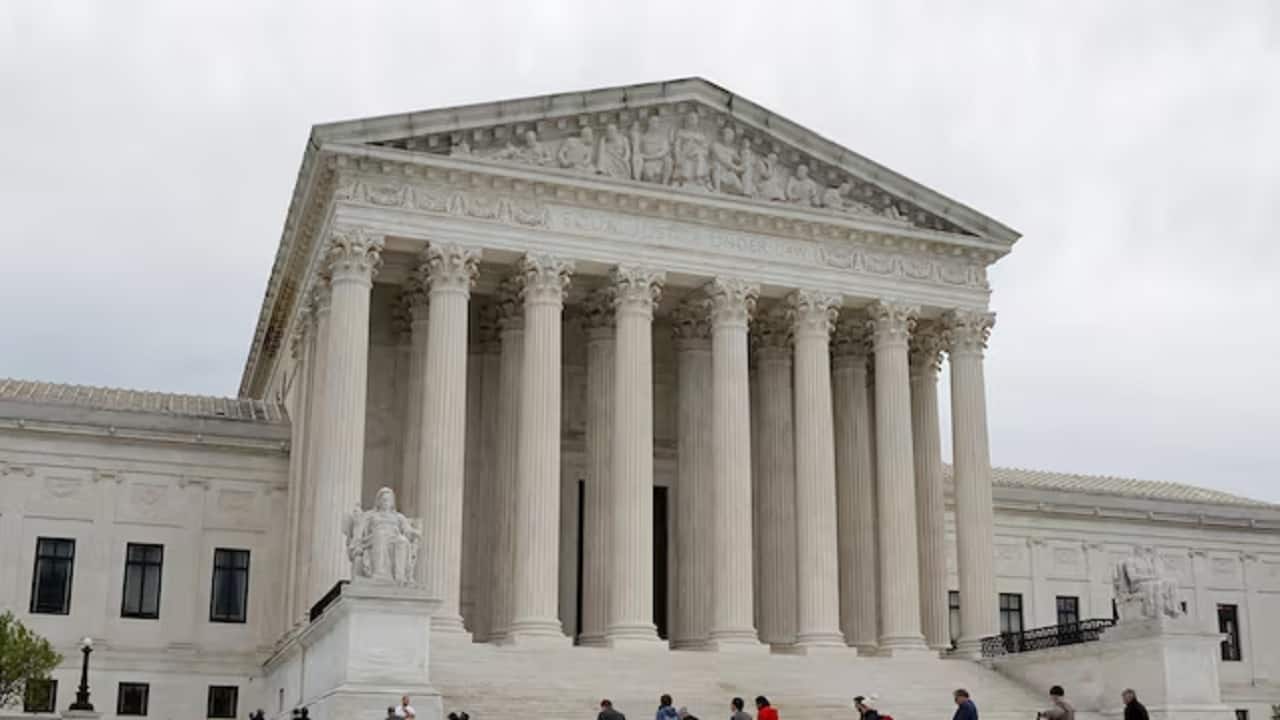
The US Supreme Court has begun a new term that could bring significant decisions on immigration, gun rights and religion. The justices have already agreed to hear several consequential cases. Meanwhile, the November midterm elections could pull the court into disputes over voting and influence its future composition and power.
The US Supreme Court has begun a new term that could bring significant decisions on immigration, gun rights and religion, while the November midterm elections could pull the justices into disputes over voting and influence the future composition of the court.
The justices have already agreed to hear several consequential cases, and more challenges to US President Donald Trump’s policies could reach them in the coming months. Meanwhile, the outcome of the midterms could determine whether Trump has another opportunity to appoint a justice and whether Democratic proposals to change the court gain momentum, as reported by the Washington Post.
Here are six issues to watch.
1. Trump’s immigration policies face major tests
The court has agreed to review two important parts of Trump’s immigration crackdown. One concerns whether the government can send noncitizens to “third countries” where they are not citizens, while another challenges mandatory detention for immigrants awaiting removal proceedings.
Other Trump policies could also reach the court, including the ban on transgender people serving in the military, efforts to install loyalists in US attorney offices without Senate confirmation, tariffs and attempts to restrict birthright citizenship.
2. The court could be drawn into the midterms
November’s elections will determine control of the House and Senate, but disputes surrounding voting could also bring the Supreme Court into the political spotlight.
The court has already handled several election-related cases, including challenges involving Trump administration efforts to restrict voting. Democratic attorneys general in around 20 states have also been preparing for possible legal battles if federal agents are deployed at polling places or voters are prevented from casting ballots. Such disputes could eventually reach the justices.
3. Another major gun-rights case
The court will consider whether states can prohibit AR-15-style semiautomatic rifles, examining restrictions in Illinois and Connecticut that are being challenged by gun owners and gun-rights organisations.
The case follows several major Supreme Court rulings expanding gun rights. In 2022, the court struck down a New York law requiring a licence to carry a firearm in public and said gun restrictions must be rooted in the country’s history and traditions.
4. Religious rights return to the court
Several cases brought by religious groups are also on the docket.
One involves a Catholic preschool in Colorado that says it was unfairly excluded from a state prekindergarten programme because it does not admit children of gay and transgender parents.
The court is also widely expected to consider a challenge involving a Texas law requiring the Ten Commandments to be displayed in every public-school classroom. That case could test a 46-year-old precedent concerning religious displays in public schools.
5. Could a justice retire?
Attention could also turn to whether one of the court’s older conservative justices decides to step down.
Samuel Alito, 76, dismissed retirement speculation earlier this year, while Clarence Thomas, 78, could become the longest-serving justice in Supreme Court history if he remains until May 2028.
The midterms could affect the calculation because the Senate confirms Supreme Court nominees. If Democrats gain control, the period between the November election and the new Congress taking office could become Trump’s final opportunity to secure confirmation of another nominee through a Republican-controlled Senate.
6. Democrats are proposing major changes to the court
The election could also determine whether proposals to restructure the Supreme Court gain traction.
Democrats have introduced plans that include imposing term limits on justices, expanding the court from nine to 13 seats and establishing an enforceable ethics code.
Even if Democrats take control of Congress, however, such changes could remain difficult unless the Senate filibuster is eliminated. Otherwise, legislation would require 60 Senate votes, making passage highly unlikely.
Together, the cases and political developments mean the new term could affect not only major areas of US law, but also the composition and structure of the Supreme Court itself.