
Mild to moderate tremors from an earthquake in Afghanistan were felt across parts of Jammu and Kashmir. The earthquake measured 3.2 on the Richter scale. Experts said the region sits in a high seismic risk zone. Travellers should pack emergency kits and use the NCS BhooKamp app for safety alerts.
,
From packing an emergency kit with a torch, power bank, whistle, first-aid supplies, and water to having the NCS BhooKamp app for earthquake alerts, here's how to stay prepared.
Mild to moderate tremors originating from earthquakes in Afghanistan were felt across parts of Jammu and Kashmir, including Srinagar and surrounding areas. The earthquake measured 3.2 on the Richter scale. These events, monitored by the National Centre for Seismology (NCS), serve as a timely reminder that the Kashmir Valley sits in one of India’s highest seismic risk zones.
Kashmir lies in Seismic Zone V (with parts of the broader Himalayan belt now classified under the elevated Zone VI in updated hazard maps). The region is part of the tectonically active zone where the Indian and Eurasian plates collide.
So, earthquakes in the Hindu Kush region of Afghanistan frequently transmit shaking into northern India, even when the epicentre is hundreds of kilometres away. While recent events have caused no reported casualties or significant damage, they highlight the importance of preparedness — especially for travellers exploring the Valley and surrounding mountains.
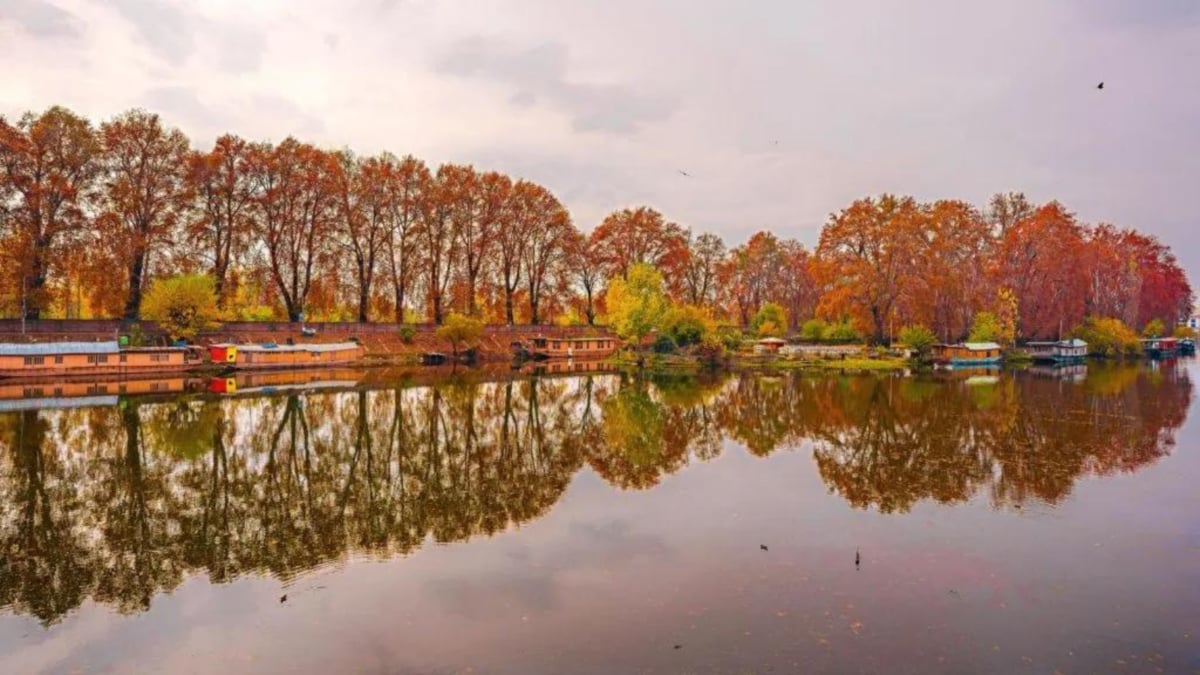
Whether you are visiting for the autumn colours, white fluffy snowfall, houseboats on Dal Lake, or Himalayan treks, here are practical safety precautions every traveller should keep in mind.
Before You Travel or Check In
Choose accommodations carefully. Prefer hotels, guest houses, or houseboats that follow modern building norms or have undergone seismic retrofitting. Ask the property about their emergency evacuation plan and designated assembly points.
Pack a compact emergency kit that includes a small torch or headlamp, power bank, whistle, basic first-aid supplies, water purification tablets, energy bars, and copies of important documents in a waterproof pouch.
Download reliable apps such as the NCS BhooKamp app for real-time earthquake alerts, and save offline maps of your itinerary.
Share your detailed itinerary and emergency contacts with family or a trusted person back home. Note local emergency numbers: Police 100, Ambulance 102/108, Tourist Helpline 1363, and the local Disaster Management control room.
During an Earthquake
Follow the universal Drop, Cover, and Hold technique:
If indoors: Drop to the floor, take cover under a sturdy table, desk, or bed, and hold on until the shaking stops. Stay away from windows, mirrors, heavy furniture, and exterior walls. Do not use elevators.
If outdoors: Move quickly to an open area away from buildings, trees, electric poles, and slopes. Avoid bridges, flyovers, and underpasses.
If driving: Pull over safely away from traffic, bridges, and overhead wires. Stay inside the vehicle with your seatbelt on until the shaking stops.
If in a mountainous or trekking area: Watch for falling rocks, landslides, or loose debris. Move away from steep slopes and cliffs if possible.
Stay calm and avoid rushing toward exits in crowded places, as stampedes can cause more injuries than the tremor itself.
After the Shaking Stops
Check yourself and those around you for injuries. Administer first aid if needed and call for medical help.
Be prepared for aftershocks, which are common. Move carefully and avoid damaged structures.
Listen to official updates via radio, local authorities, or verified apps rather than unverified social media forwards.
If you are in a hotel or houseboat, follow the staff’s instructions for evacuation or assembly.
Do not re-enter a building until it has been declared safe.
In the mountains, remain alert for secondary hazards such as landslides or blocked roads, especially during or after rain or snowfall.
Whilte houseboats and heritage properties can feel more movement due to their construction, it is important to check ahead of time for their safety measures. Listen to the people in charge on what are the best ways to stay safe. Do not panic and instead identify the nearest solid open ground or jetty in advance.
On mountain roads, landslides can be triggered by even moderate shaking. Prefer daytime travel and hire experienced local drivers familiar with the terrain.
Keep some cash handy, as ATMs and digital payments may temporarily fail after a significant event.
If you are trekking or on an outdoor adventure tour, remember never to trek alone. Inform your hotel or local guide of your route and expected return time. Carry a whistle and extra layers.
Kashmir remains a stunning destination with resilient communities who have lived with seismic activity for generations. Most tremors felt from distant Afghanistan events are mild and pass quickly. Being prepared simply allows you to enjoy the Valley’s beauty with greater peace of mind.
News18 Newsletter
Handpicked stories, in your inbox
A newsletter with the best of our journalism
About the Author
Abigail BanerjiSenior Sub Editor
Abigail Banerji is a Senior Sub Editor with News18's English desk. She brings 6 years of experience across both print and digital newsrooms, spanning editorial planning, reportage, copy editing, conte...Read More
October 06, 2026, 15:47 IST
Loading comments...