
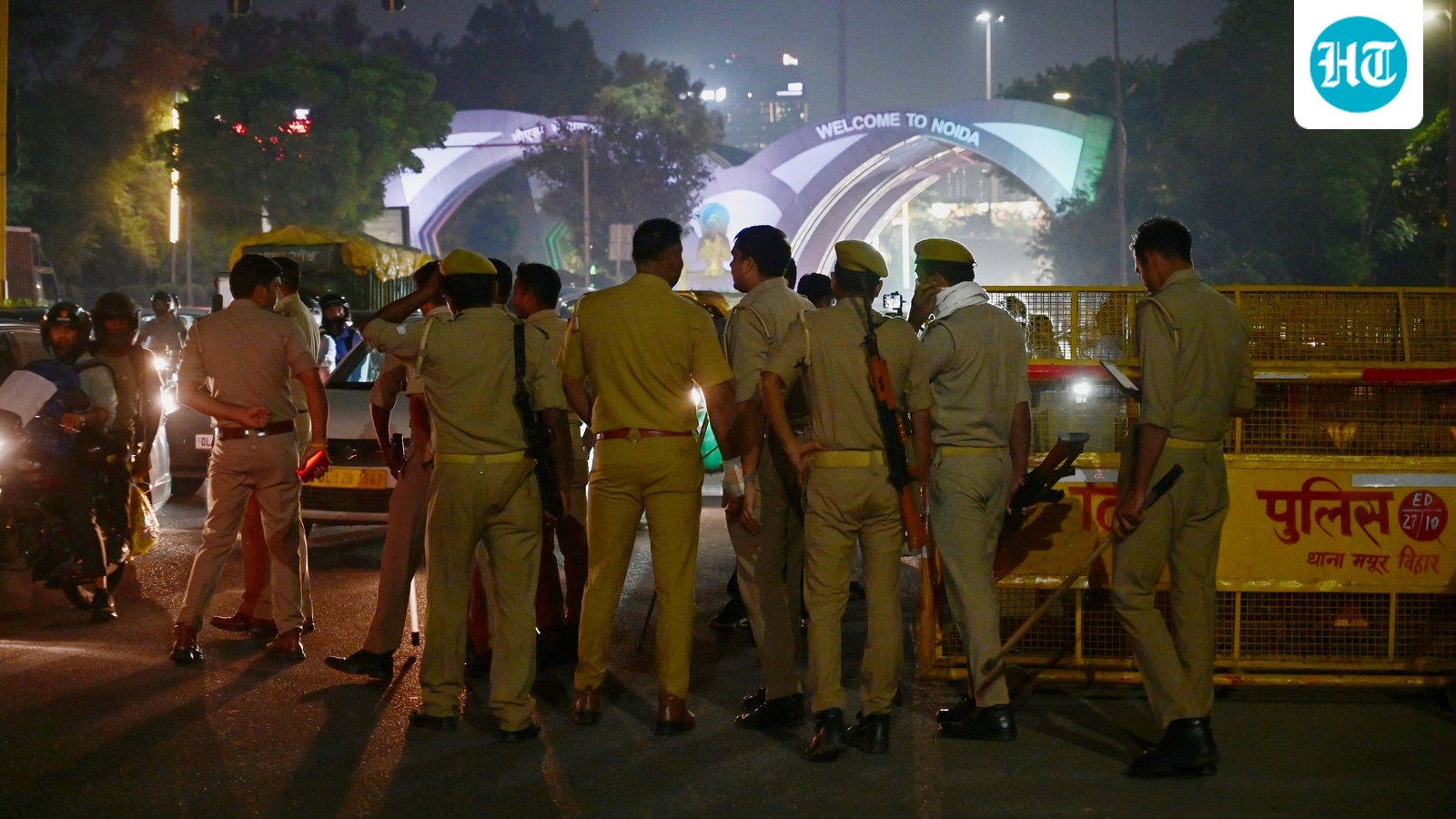
Trains to Delhi were cancelled and metro services shut as the Supreme Court told the Centre and police to lift blanket curbs. The court said authorities could regulate movement but not stop the system. “Stopping something and regulating are two different concepts,” the judges said, noting the inconvenience to millions.
CJP founder Abhijeet Dipke told reporters in Mumbai that volunteers would go ahead with the protest, and accused the Centre of restricting public movement to keep demonstrators away.
“Shut down the entire country if you are so scared of the youth,” he said, while other CJP leaders likened the curbs to an “Emergency”. The home ministry did not respond to requests for a comment on the allegations.
Delhi Police, in a statement on Friday, called the restrictions “temporary and precautionary in nature” and said Jantar Mantar could safely hold about 1,000 people at a time. The statement said the group’s protest at the site in July, permitted for one day, ran for about a month, during which more than 200 police personnel were injured and over 2,000 people with criminal antecedents had reportedly taken part. It also cited reports of women constables being molested and assaulted by people taking part in protests at Jantar Mantar over the past week.
The railways cancelled close to 40 of 72 mail and express trains due at New Delhi and Hazrat Nizamuddin, two of the Capital’s busiest stations, citing anticipated “severe road traffic congestion” around both on Saturday, and scrapped most of them at their originating stations.
On the roads, Delhi Traffic Police said it will divert vehicles at up to 30 points ringing central Delhi from 6am on Saturday, from Dhaula Kuan in the south-west to Mandi House in the east, and has asked residents to avoid non-essential travel — virtually closing off all of central Delhi.
To be sure, central Delhi has been locked down before, most recently for the G20 Summit in 2023, but the Capital has rarely, if ever, seen curbs on local and interstate transport, business activity and mobile internet imposed together, with police and the CISF also collecting the travel details of people headed for the city by air. The metro closures announced on Friday took in more than one in five of Delhi’s 271 stations, and the revised list still takes in one in six.
‘Keep in mind principle of proportionality’
Hearing a petition by Communist Party of India (Marxist) general secretary MA Baby, the court said authorities could regulate the movement of trains to prevent unlawful gatherings but could not bring the system to a halt and inconvenience millions of ordinary residents.
“Stopping something and regulating are two different concepts. One can regulate but it is completely different to put a halt on everything… you cannot stop everything,” a bench of Chief Justice of India Surya Kant and justices Joymalya Bagchi and V Mohana said.
In its order, the court recorded that the solicitor general had “fairly agreed to reconsider the prohibition and allow the movement of metro trains and other trains in such a regulated manner so that no inconvenience is caused to the citizenry of residents of Delhi, while keeping in mind the principle of proportionality”.
The bench ruled that there “shall be no outright prohibition on the movement of Metro trains”, directed that any regulated plan and a traffic advisory be widely publicised, including in newspapers, and asked the DMRC, the railway authorities and Delhi Police’s traffic wing to file compliance reports within four days.
Surveillance of protestors
In a letter marked secret and seen by HT, Union home secretary Govind Mohan on Friday directed the police chiefs of all states and Union territories to work with Delhi Police on “immediate preventive measures” to head off any breach of public order and protect critical infrastructure, citing “credible intelligence inputs” that CJP supporters planned to enter Delhi in defiance of the ban.
Delhi Police, according to people aware of the matter, collected the details of passengers who had booked train tickets to Delhi to join the protest and shared the records with their counterparts, while student groups posted videos on social media of members being taken off trains on their way to the Capital.
The Central Industrial Security Force (CISF) sought passenger details from airlines for select flights to Delhi on Friday and Saturday, people in the airline sector said.
Senior police officers said on Thursday evening that police would stop some air travellers who planned to drive to Jantar Mantar, and that no group would be allowed to assemble there because prohibitory orders under Section 163 of the Bharatiya Nagarik Suraksha Sanhita were in force across the New Delhi district.
“It is possible that the extra forces will be deployed to places outside airports and railway stations if the protesters stop traffic when they are stopped from moving towards New Delhi,” said a senior police officer who asked not to be named.
‘Will practice right to dissent’
Dipke, who spoke at Mumbai airport on his return from Bengaluru, said the Centre “is afraid of Gen Z”. On social media, he said he would “land in Delhi on Saturday morning and march to Jantar Mantar, come what may”.
“Chief Election Commissioner Gyanesh Kumar did not seek the permission of citizens before using the Special Intensive Revision (SIR) to delete names from voter rolls. If the state can carry out such a massive deletion of voting rights without accountability, why must citizens beg for permission to exercise their fundamental right to dissent? Jantar Mantar is a designated protest site, and Article 19 of the Constitution guarantees the right to peaceful assembly. We will not be intimidated,” he later said.
The CJP said on Thursday that mass detentions of people associated with it had begun across the country, among them Deepak Baliyan, a senior member and its spokesperson, and its leaders have since claimed that thousands of supporters have been held, a figure that could not be independently verified.
Saturday’s protest caps a week in which opposition parties and their student wings staged three consecutive days of demonstrations against the Election Commission and its chief, with several lawmakers detained as police blocked marches through central Delhi. Kumar faces allegations of tampering with voter lists under cover of the SIR and of bypassing his two fellow commissioners to alter Form 6, the document through which a citizen registers as a voter.
Opposition lawmakers met President Droupadi Murmu on Friday to brief her on the dispute. Congress leader Rahul Gandhi, the Leader of the Opposition in the Lok Sabha, said afterwards that Murmu had “accepted our statement” and then asked the delegation for proof of “election chori”, or election theft. “I said that the evidence of ‘election chori’ is known to the entire country,” he said.