
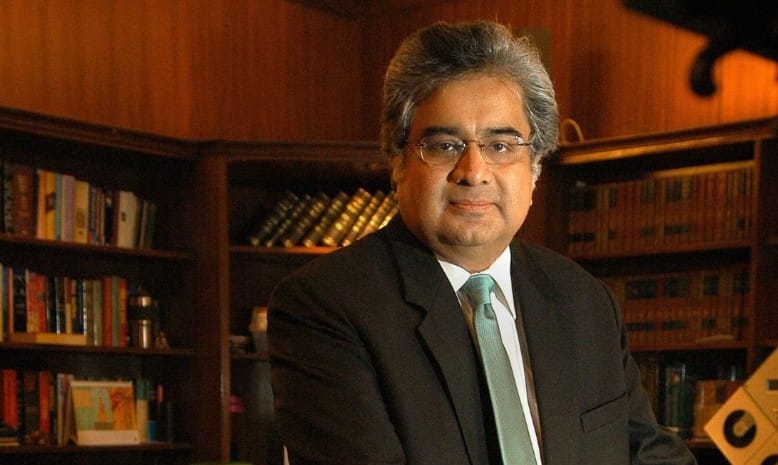
Former Solicitor General Harish Salve criticised the INDIA bloc’s march to the Supreme Court regarding alleged electoral fraud. He called the move “sheer stupidity” and accused the Opposition of using the judiciary as a political tool. Salve said, “They are trying to use the Supreme Court as a political tool.”
Market Mastery
Webinar by Vishal Malkan
Find the weak links
in your portfolio by Vishal Malkan
Former Solicitor General Harish Salve has criticised the INDIA bloc’s decision to march to the Supreme Court and seek a meeting with Chief Justice of India (CJI) Surya Kant over allegations of “vote chori”, calling the move “sheer stupidity” and accusing the Opposition of using the judiciary as a political tool.
In an interview with IANS, Salve questioned the Opposition’s approach amid its protests against Chief Election Commissioner (CEC) Gyanesh Kumar and allegations of electoral irregularities. He argued that political parties should follow established legal procedures rather than attempt to exert pressure on constitutional institutions.
“This is sheer stupidity. It appears as though they are proceeding on the assumption that they have no faith in the Constitution or any system and that they will do whatever they want,” Salve said.
His remarks came after Congress leader Rahul Gandhi announced a march to the Supreme Court on Monday, demanding action over alleged electoral fraud and seeking Kumar’s resignation. Gandhi had called on opposition parties, civil society groups and citizens to join the march and submit a memorandum to the CJI.
The CJI declined the request for a meeting and indicated that the opposition leaders could approach the court by filing a petition through the judicial process, according to reports.
Salve alleged that political parties were drawing the judiciary into their political disputes.
“Absolutely. In my opinion, they are trying to use the Supreme Court as a political tool every day,” he said.
He said the courts were examining issues relating to human rights, the right to protest and freedom of expression under Article 19 of the Constitution, and urged political parties to allow the judicial process to take its course.
“The judges are doing their job,” Salve said, describing a Supreme Court order in the matter as balanced.
He added that disagreement with a particular judgment should not be confused with a loss of faith in the judicial system. “Faith in the judiciary and the correctness of a particular judgment are two different things,” he said.
On the Opposition’s demand for action against Kumar, Salve said the allegations should be examined through the established judicial process. He noted that the SC had sought a response from the CEC, allowing the Election Commission to present its position and records.
“The Supreme Court has sought a response from the Chief Election Commissioner, and the court will deliver its decisions in due course,” he said.
Salve also argued that the right to protest must be exercised within the law and does not permit organisers to disregard police restrictions.
“The main point is that the right to protest is subject to the applicable police laws. It does not exist outside the law,” he said.
He further alleged that foreign forces were instigating protests in India and claimed that foreign funding was involved, referring to developments in Nepal, Sri Lanka and Bangladesh. However, these claims were allegations made by Salve and were not independently established in the interview.
Calling for greater respect for constitutional institutions, Salve said, “We must not weaken or target our institutions.”
“Democracy cannot function this way,” he added.