
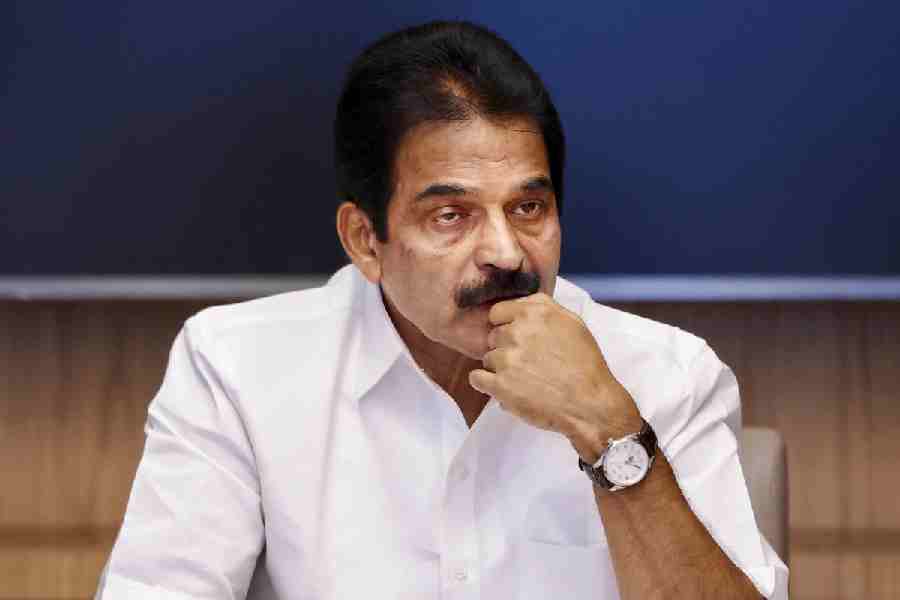
Congress leader K.C. Venugopal wrote to Lok Sabha Speaker Om Birla on October 1, questioning the Joint Parliamentary Committee’s process regarding the Foreign Contribution (Regulation) Amendment Bill, 2026. He said, "If this is so, it would reduce an important parliamentary process to a mere formality," urging wider consultation with stakeholders.
The Congress leader wants NGOs, religious bodies, legal experts and state governments to be heard before the Joint Parliamentary Committee finalises its report on the FCRA amendment bill
Congress leader K.C. Venugopal has written to Lok Sabha Speaker Om Birla questioning the functioning of the Joint Parliamentary Committee (JPC) examining the Foreign Contribution (Regulation) Amendment Bill, 2026, and sought Birla's intervention to ensure wider consultation before the legislation returns to Parliament.
In his letter dated October 1, Venugopal said there were concerns over whether the committee had undertaken "meaningful consultation" with stakeholders who could be affected by the proposed changes.
The bill was introduced in the Lok Sabha on March 25 and referred to a 31-member JPC on August 12 for detailed scrutiny.
BJP MP Sanjay Jaiswal heads the panel.
Venugopal said the proposed changes had implications for NGOs, charitable institutions and minority bodies, and urged the committee to hear representatives of NGOs, religious organisations, voluntary groups, legal experts and state governments.
He also raised concerns that the bill could be processed before the Winter Session of Parliament without sufficient consultation.
"If this is so, it would defeat the very purpose for which the House referred the Bill to the Committee, and reduce an important parliamentary process to a mere formality," he wrote.
Venugopal asked Birla to ensure that the JPC invites written memoranda through a public notice and hears oral evidence from affected stakeholders. He also sought adequate time for the committee, including an extension of its reporting deadline if required, and sufficient opportunity for clause-by-clause deliberation.
He requested that the bill not be taken up by Parliament until the committee completes what he described as a "genuine comprehensive examination".
The intervention comes after the JPC's second sitting on September 29, when the ministries of home affairs and law and justice briefed members clause by clause on the proposed amendments. The committee was also expected to hear views from domain experts, including State Bank of India chairman Challa Sreenivasulu Setty and senior legal officers.
Several JPC members have also sought more time for wider public consultation. On Wednesday nine members of the panel, including NPP MP James P.K. Sangma, sought a postponement of the October 12 meeting by at least four weeks and a minimum four-week window for public comments.
In a post on X (formerly Twitter) on Thursday, Venugopal said the JPC was meant to take inputs from all relevant stakeholders and conduct a thorough scrutiny of the proposed law.
"We believe that any Bill that emerges out of a JPC should be flawless, and Parliament should be assured that it has passed through a rigorous consultation process," he said.
"Without ensuring that, a JPC is a meaningless exercise, and a fraud about the Parliament," Venugopal added.
The government has maintained that the proposed amendments are not targeted at any particular religion or community and are aimed at making the use of foreign contributions more transparent and accountable.
Opposition parties have raised concerns about their possible impact on NGOs and minority-run organisations. Christian groups have also opposed the legislation and at least one US lawmaker has called the bill an "attack" on Christians.