
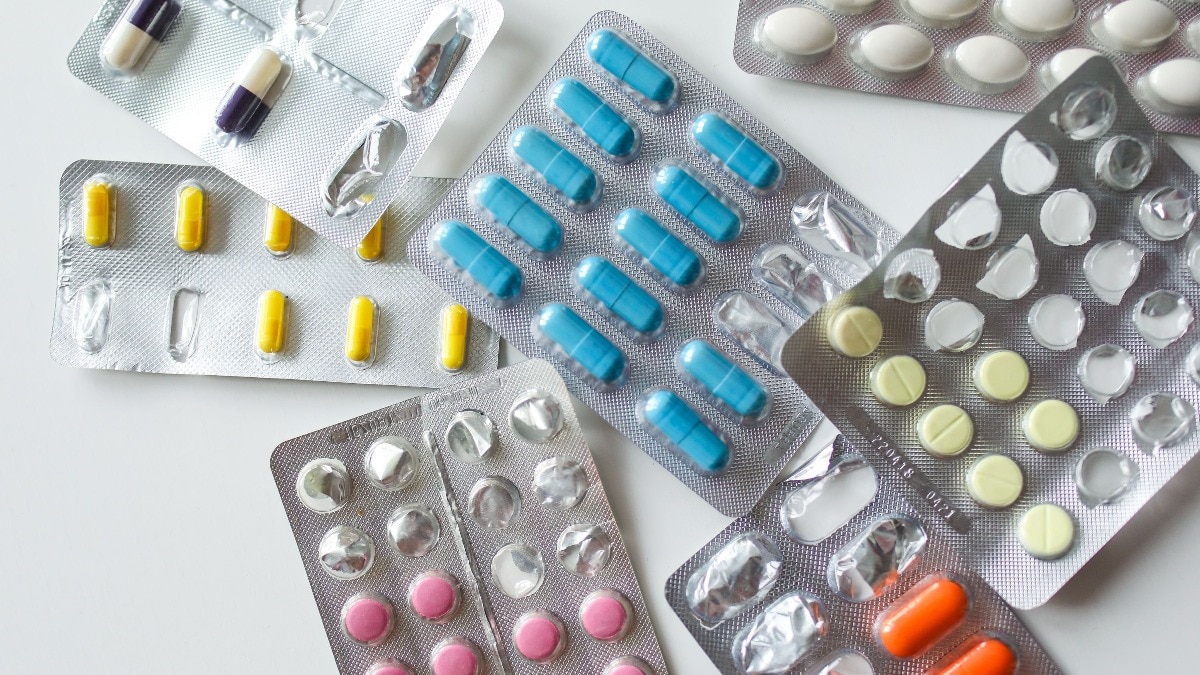
The government set a 30% trade margin cap on 110 anti-cancer drugs to make treatment cheaper. This decision follows a September 29 Supreme Court hearing where judges questioned high medicine prices. Officials expect this move to save patients Rs 2,500 crore annually, as prices for some medicines could fall by 70%.
The decision could directly reduce what patients pay for cancer medicines, particularly for drugs where the gap between the price at which retailers buy them and the MRP is large.
The decision comes days after the Supreme Court questioned the Centre over the pricing of cancer medicines.
During a hearing in the top court on September 29, Justices Vikram Nath and Sandeep Mehta pointed to a cancer drug that reportedly cost retailers about Rs 2,700 but had an MRP of Rs 27,000.
The bench asked the Centre to examine whether a uniform trade margin could be applied to medicines. It also questioned the practice of corporate hospitals requiring patients to purchase medicines from their own pharmacies, especially when the treatment is covered under government schemes.
The apex court had discussed a possible 16% margin, similar to the retailer margin applicable to scheduled medicines under the price-control system. But it did not direct the government to impose a nationwide 16% cap. The matter is listed for October 12.
The government has now opted for a 30% ceiling for non-scheduled anti-cancer medicines, expanding the approach it had adopted earlier.
Earlier cap had cut prices
The 30% margin cap is not new. The NPPA had applied it in 2019 to 42 non-scheduled anti-cancer medicines.
According to the government, the measure brought down the MRPs of 526 brands by about 50% on average and saved patients an estimated Rs 984 crore a year.
The latest expansion covers 110 anti-cancer drugs. The government expects prices to fall by up to 70% for some medicines, depending on how high their existing trade margins are.
It estimates annual savings of around Rs 2,500 crore from the wider measure.
The government has also been using price controls and other measures to reduce cancer treatment costs.
The NPPA had effective ceiling prices for 131 anti-cancer drugs as of March 2026. Customs-duty cuts and the Jan Aushadhi scheme are among the other measures being used to improve access to cheaper medicines.