
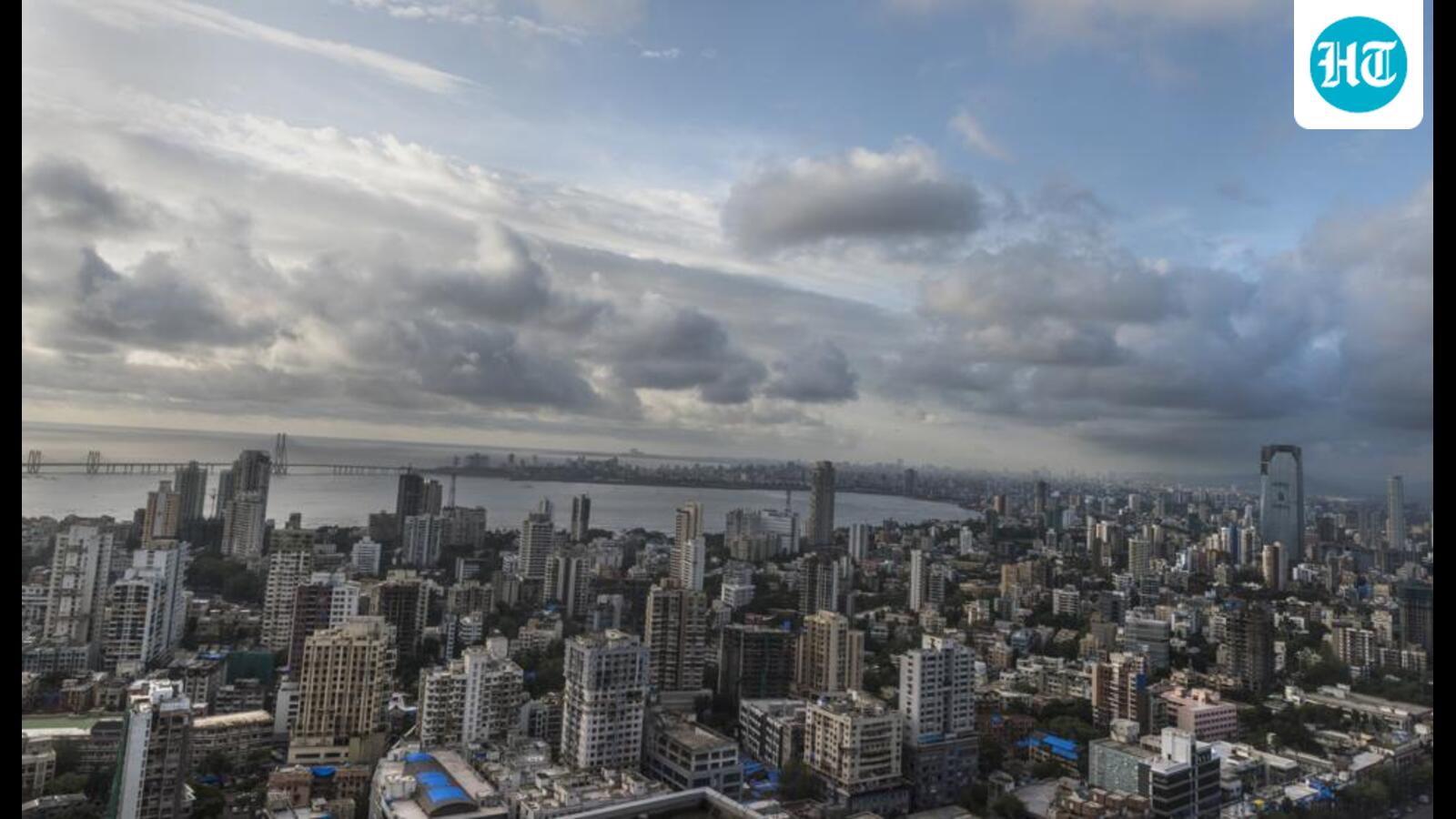
The United Nations Environment Programme assessed 163 countries from 1990 to 2019 to measure inclusive wealth. While produced and human capital grew, natural capital fell by 28% globally. India expanded roads and buildings during these years, but natural wealth fell. Overall, the world saw inclusive wealth per person drop slightly.
These ideas are relevant to how we think about countries and economic well-being. Since the 1930s, when Simon Kuznets produced the first official estimates of American national income, and especially since World War II, countries have measured economic progress mainly by national output, now summarised as Gross Domestic Product (GDP). Without doubt, GDP is useful. It tells us how much a country produces in a given period. But, it is a measure of economic activity, rather than of wealth, the stock of assets that generates that flow.
A country’s wealth or capital comes in several forms. First there are roads, buildings, factories, electricity grids, ports and public transportation — what we call infrastructure or built capital. Then comes education, health — capabilities and skills embodied as human capital. And finally, there are forests, farmland, fisheries, minerals, oil, freshwater and the ecosystems that enable the economy.
For the last few decades, the United Nations Environment Programme (UNEP) has used a measure that includes an assessment of these different forms of capital to arrive at a measure of inclusive wealth of countries. The latest UNEP assessment covers 163 countries from 1990 to 2019. It shows whether a country’s total stock of wealth is growing, and which parts of it are growing at the expense of others. Over those three decades, the world’s population grew by 2.4 billion people. Natural capital fell by 28% in total and by almost half per person. Produced capital per person rose by more than 90%. Human capital, which makes up more than half of all wealth, also grew, though more slowly in recent years.
Overall, inclusive wealth per person fell slightly, by about half a percent. The world gained in infrastructure and human capital over that period, but these gains were more than offset by losses related to atmospheric carbon, a negative capital stock, and losses in natural wealth including forests and fisheries. Oil producers are a prime example of this. Qatar has one of the world’s highest GDP per person, built largely on oil and gas, yet UNEP estimates that its inclusive wealth per person declined between 1990 and 2019, largely due to the decrease in its oil and gas reserves.
India accumulated a great deal of produced capital over the period 1990-2019. Roads, buildings, machinery, and other infrastructure expanded rapidly. Human capital held roughly steady, while natural capital declined. UNEP analysis also places India among the countries that have lost the most wealth to climate damage, damage caused largely by other countries’ past emissions. Because India has a large population, its total inclusive wealth places it in UNEP’s highest band, alongside only the United States, China, and Russia. But on a per capita basis, India’s wealth is relatively small, and the share held as natural capital has been shrinking.
This is not to imply that building roads or factories is bad because it uses up natural resources. Development necessarily involves converting one form of capital into another. A forest may be cleared for farmland, while fossil fuels may be burned to generate electricity, build infrastructure, or pay for schools and hospitals. The question is whether we do it with attention to changes in overall wealth, and whether what we build is worth more than what we give up.
For India, much of whose development still lies ahead and which has little oil of its own, the largest returns on investment will likely come from its spending on people, through better education and health. In infrastructure, the aim should be cities that are more productive, not simply more roads and buildings. We should favour technologies that produce more with less energy and water, and our solar and wind potential gives us room to do that. We should also treat forests, groundwater, fisheries, and other natural assets as part of the country’s capital assets. The ministry of statistics already compiles environmental accounts along these lines in its annual reports but they are not part of how we judge economic performance or progress.
Progress need not be a zero-sum game. We can increase human and produced capital while restoring natural capital. Renewable energy can used to replace fossil fuels, while better irrigation can produce more food while using less groundwater. Public transportation can increase mobility without requiring every household to own a car. Restoring forests and wetlands can provide economic services while improving biodiversity and water security. The thought behind what we spend on matters a lot more than the sheer quantity, which is what we are currently fixated on.
We already require companies to publish balance sheets, because profits alone can conceal a business that is consuming its own assets. We ask no such thing of the national economy. As India sets its course toward Viksit Bharat, it would help to know not only how fast our income is growing, but whether we are becoming wealthier.