
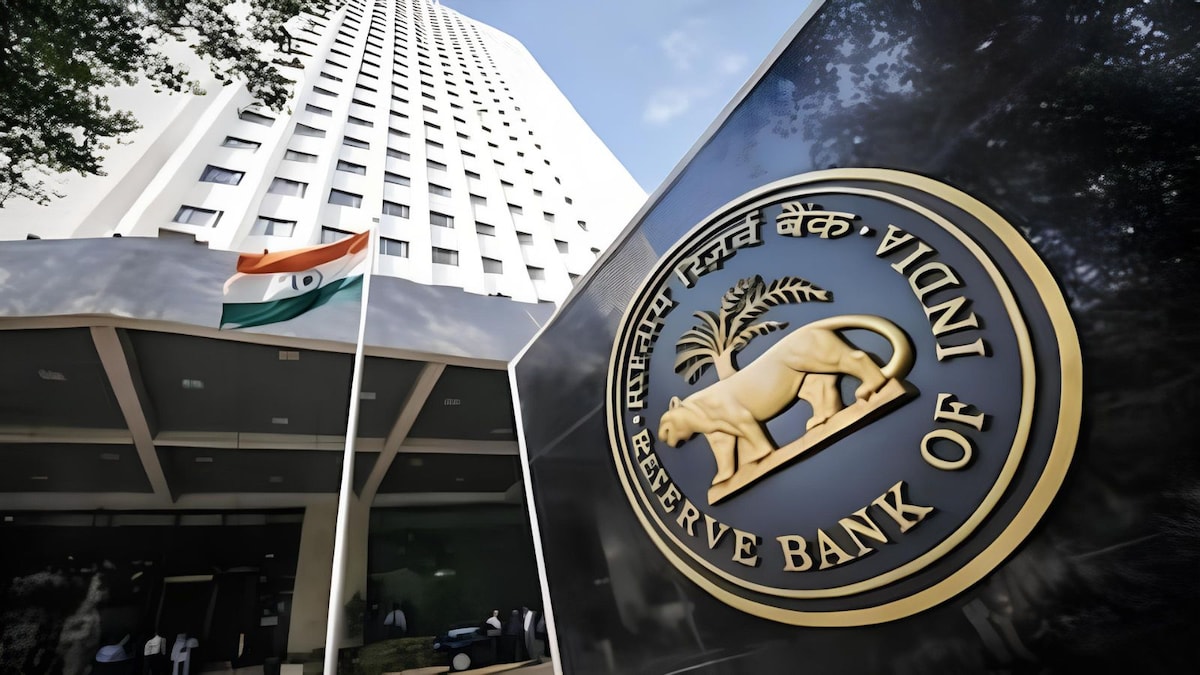
The Reserve Bank of India started new forex rules on October 1, 2026, to simplify trade filings. These regulations bring goods and services under one framework. Ajay Srivastava said, "The benefits of the new framework would depend on how banks implement the rules." Firms must now update their filing procedures.
The new framework brings goods and services trade under one set of rules, easing small transactions while tightening reporting and monitoring of unpaid dues.
The Foreign Exchange Management (Export and Import of Goods and Services) Regulations, 2026, issued by the Reserve Bank of India (RBI) on January 13 and amended on September 22, took effect on October 1, 2026.
The regulations bring goods and services exports and imports under a single framework, replacing the earlier export regulations. The Global Trade Research Institute (GTRI) said the new rules will simplify procedures for some transactions while widening reporting requirements and strengthening payment monitoring.
The rules offer relief through simpler mechanisms for closing small-value transactions, monthly declarations, adjustments between export and import bills, and third-party payments. At the same time, they will bring more service exporters into the formal reporting framework and impose stronger safeguards when export earnings or import advances remain unpaid, GTRI Founder Ajay Srivastava said.
He added that the benefits of the new framework would depend on how banks implement the rules.
GTRI called on businesses to update their filing procedures, review unpaid export bills and unrecovered import advances, and confirm their banks' requirements. The think tank also recommended simple guidance, reasonable documentation, transparent charges and timely decisions to reduce costs while improving payment discipline under the new framework.
The key changes under the new rules include:
Wider reporting for service exporters
The Export Declaration Form (EDF) will replace SOFTEX for software exports. Software firms will have to file the EDF within 30 days after the end of the invoice month and may combine multiple customers in a single monthly declaration.
Other service exporters will also have to submit the EDF on or before receiving payment, with justified extensions available through banks.
To comply, IT companies, start-ups, consultants, designers and engineering firms will have to establish filing schedules, identify the appropriate filing authority and link overseas receipts to invoices and contracts. Monthly consolidated declarations are intended to reduce paperwork.
Shorter export payment deadlines
Export earnings will have to be received and repatriated to India within nine months, or within 12 months for exports invoiced or settled in rupees. This replaces the earlier deadlines of 15 and 18 months, respectively.
Banks can grant justified extensions and will monitor export payments based on contractual terms.
The change may require exporters offering longer credit periods to revise contracts, track unpaid invoices and seek extensions for justified delays. Where export earnings remain unpaid for more than one year beyond the permitted or extended deadline, further exports will require full advance payment or an irrevocable letter of credit.
Relief for small transactions
For exports of up to ₹10 lakh per shipping bill or invoice, banks may accept declarations allowing reduced or no receipts under the rules.
Eligible small export and import entries may also be closed through declarations, including quarterly consolidated submissions.
MSMEs and businesses handling a large number of low-value transactions can identify eligible entries, explain payment shortfalls and obtain the required declaration format from their banks.
Flexible settlement arrangements
The new framework allows banks to permit export receivables to be adjusted against import bills involving the same overseas counterparty or its group or associate companies. Verified third-party export receipts and import payments will also be permitted.
The change may allow manufacturers and traders to reduce transfers and bank charges through approved adjustments, subject to matching invoices, documented relationships and completion of adjustments within the export-payment deadline or an approved extension.
Third-party arrangements will require evidence explaining who is making the payment and why.
Tighter control of imports and advances
Banks will be able to monitor outstanding import payments against contractual deadlines and may require guarantees for import advances above their prescribed limits.
GTRI suggested that importers should record payment and delivery dates, submit documents promptly and recover advances when imports do not materialise. Unrecovered advances may trigger requirements for guarantees or standby letters of credit for further advance payments.
The think tank also said interest on export advances and delayed import payments must remain within the applicable trade-credit cost ceiling.
Project exports and merchanting trade
The new framework allows project exporters to invest temporary overseas surpluses in instruments with an original or remaining maturity of one year or less, subject to bank monitoring.
GTRI suggested that project exporters preserve sufficient cash for project expenses and maintain investment records.
For merchanting trade, where goods move between foreign countries without entering India, traders will have to keep the payment gap within six months unless an extension is granted. They should also track both transactions and document third-party payments.