
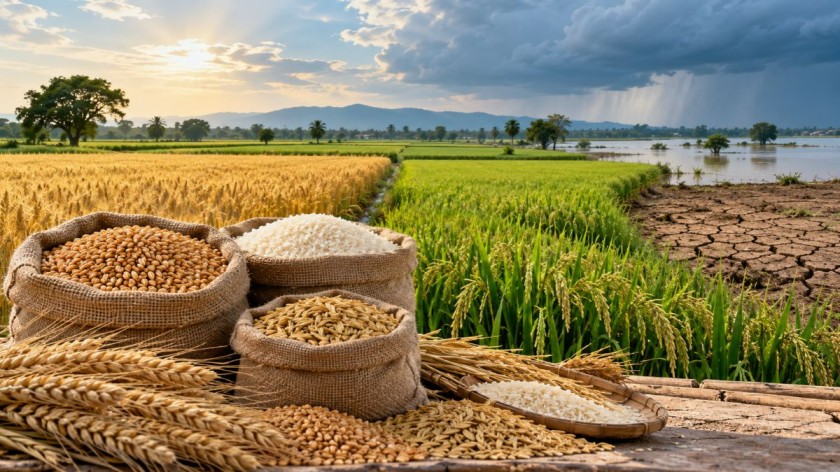
എൽ നിനോയും കാലവർഷത്തിലെ 12 ശതമാനം കുറവും ഇന്ത്യയുടെ സാമ്പത്തിക മേഖലയിൽ വലിയ ആശങ്കയുണ്ടാക്കുന്നു. കാർഷിക മേഖലയ്ക്ക് പുറമെ രാസവസ്തുക്കൾ, ട്രാക്ടറുകൾ, എഫ്എംസിജി, റീട്ടെയിൽ തുടങ്ങിയ മേഖലകളെയും ഇത് ബാധിക്കും. വരൾച്ച മൂലം 2026-27 സീസണിൽ പഞ്ചസാര ഉൽപ്പാദനം ഗണ്യമായി കുറയുമെന്ന് യുഎസ്ഡിഎ മുന്നറിയിപ്പ് നൽകുന്നു.
The El Nino may impact demand across multiple sectors
2 key Indian states have declared drought and many others are facing similar conditions.The El Nino and weak monsoon that has led to crop damage, reservoir level deficit and slowdown in rural demand. However, the worry is not only limited to the rural or agriculture sector.
"The economic impact of a drought extends beyond the agriculture sector to primary, manufacturing, and financial sectors. It will directly impact demand for Chemicals & Fertilisers, Agri-Machinery & Tractors, Agri-Piping & PVC. Indirectly it will impact demand of FMCG and retail, two wheelers, consumer durables, jewellery and many discretionary items like (footwear, paints)," according to Shrikant Chouhan, Head Equity Research, Kotak Neo.
El Nino has led to flood in the north, drought in parts of Maharashtra and Karnataka and some weakness in MP.
Here is how the 12% rain deficit monsoon and weather related uncertainties is impacting India.
1. FY27 sugar output estimates decreased
India's sugar production is expected to decline in the 2026-27 season as El Nino-related rainfall deficits and water shortages affect sugarcane output, according to US Department of Agriculture's Foreign Agricultural Service (FAS).
"A severe rainfall deficit in 2026 is expected to reduce sucrose content in the cane, lowering effective harvesting area and overall cane production," USDA said.
The USDA has cut its forecast for India's sugar production to 29.5 million metric tonnes for the 2026-27 season, which began in October, from its earlier estimate of 33.6 million tonnes. The agency also projected India's sugarcane production at 434 million tonnes, down from 455 million tonnes in the previous season.
According to the report, a severe rainfall deficit in 2026 is expected to reduce the sucrose content of sugarcane, affecting the amount of sugar that can be extracted from the crop. The effective harvesting area and overall sugarcane production are also likely to decline.
"A growing water shortage poses a significant risk to sugar mill operations, as drought-like conditions are expected to complicate milling in early 2027," USDA noted.
2. Food inflation expected to spike
Food price pressure has already begun building across key staples. Prices for cereals and sugar saw sharp increases over the summer, while rice prices rose 8.2% despite heavy government buffer stocks. A sudden surge in onion prices in September further fueled retail food costs.
Japanese brokerage firm Nomura projects food and beverage inflation to surge between 8.5% and 9.0% year-on-year during October and November. Analysts expect inflation rates to stay elevated around 7% through the first half of 2027.
3. El Nino risks slowing farm GVA growth
The monsoon performance has been uneven, with more than 40% of the country's area receiving deficient rainfall. There is downside risk to both Kharif and Rabi crop output. Reservoir levels are below normal, posing a risk to Rabi crops, which rely on irrigation. Meanwhile, El Niño is expected to persist until March-May 2027.
Gaura Sengupta, chief economist at IDFC First Bank, said, "Agricultural GVA growth is expected to slow due to lower crop outlook." However, she noted that the slowdown is not expected to be as pronounced as last year, as the share of the allied sector has risen to nearly 50% of agricultural GVA.
4. Rural demand slows as tractor, two-wheeler sales moderate
Auto sector may also face the brunt of the weather-related uncertainties. The sales growth for two-wheelers and domestic tractors have seen some reduction in September. A sustained crop output deficit may impact the spending capabilities.
Sengupta of IDFC First Bank said that nascent signs of a slowdown in rural demand are already visible, "with moderation in tractor sales, two-wheeler sales and rise in employment demand under MNREGA."
5. Impact on NCFCs
The shortage of rainfall also makes the financial sector vulnerable. Kotak Institutional Equities highlighted that some weakness has emerged in the rural and sub-prime segments during the last week of the quarter due to changes in monsoon conditions.
The brokerage firm expected overall asset quality of NBFCs to remain stable but believes that management may provide slightly more cautious guidance than it did in Q4FY26 and Q1FY27.
Shrikant Chouhan, Head Equity Research, Kotak Neo, also warns that "PSU Banks and rural-heavy NBFCs can experience slow down in credit growth and asset-quality deterioration (NPAs)"
Economic impact of lower agri output may continue for over 2 quarters
The 2026 monsoon deficit and continued impact of the El Nino can be far reaching. The upward risks to food inflation, weakened irrigation reserves for winter crops, and a slowing rural market will test economic resilience over the next two quarters, keeping the central bank on high alert.