
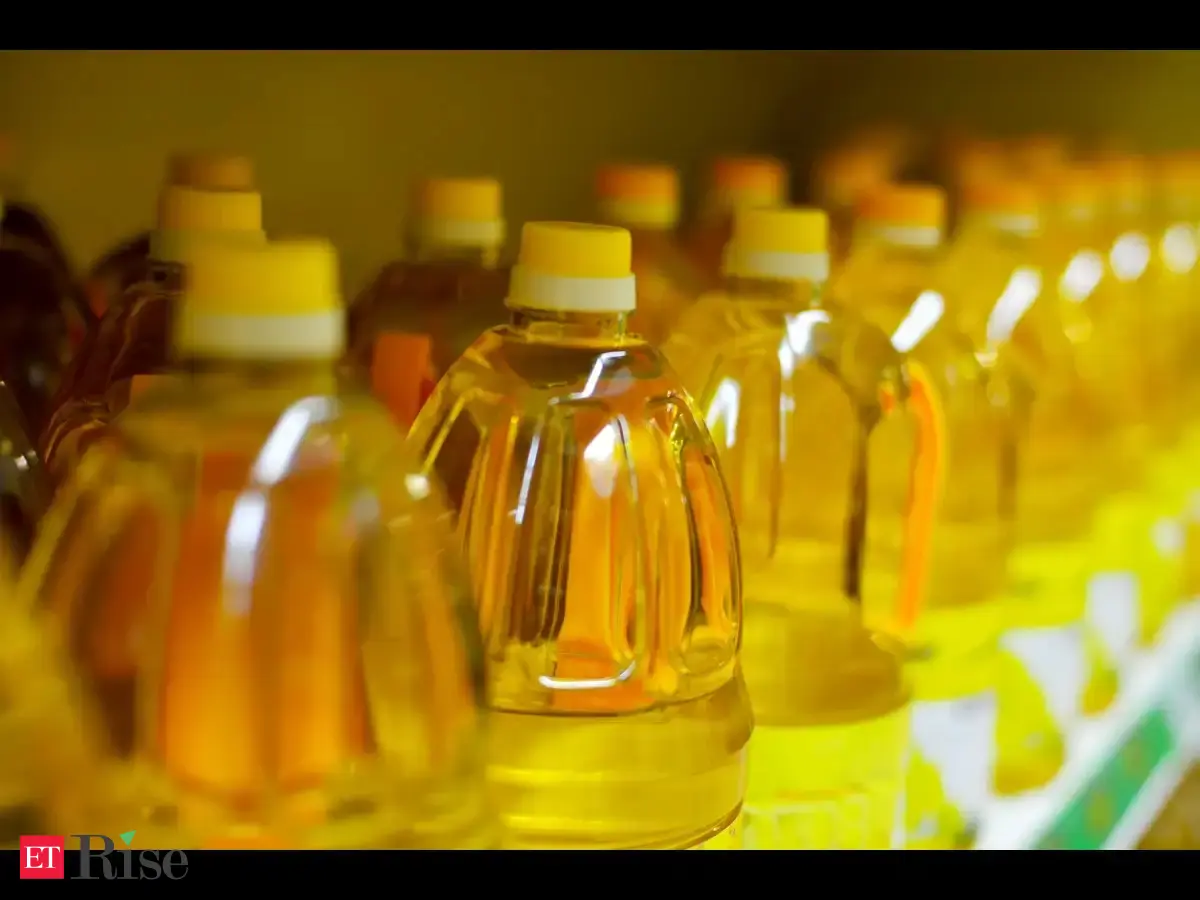
ഭക്ഷണപ്പൊതികളിലെ 'നോ പാം ഓയിൽ' ലേബലുകൾ ഉപഭോക്താക്കളെ തെറ്റിദ്ധരിപ്പിക്കുന്ന വിപണന തന്ത്രമാണെന്ന് റിപ്പോർട്ട്. പാം ഓയിൽ സുരക്ഷിതമാണെന്ന് ആരോഗ്യ മന്ത്രാലയവും വിദഗ്ധരും വ്യക്തമാക്കുമ്പോഴും, കമ്പനികൾ ഇത് ഒഴിവാക്കുന്നത് പോഷകാഹാര ഗുണനിലവാരം ഉറപ്പാക്കുന്നില്ല. ഇത്തരം ലേബലുകൾ കർഷകരെയും വിപണിയെയും ദോഷകരമായി ബാധിക്കുന്നുവെന്നും ഈ ലേഖനം ചൂണ്ടിക്കാട്ടുന്നു.
India cannot spend Rs 11,040 crore building a domestic oil palm economy while allowing brands to turn the same crop into a warning sign. The cost of that contradiction will be paid by smallholders.
Some Indian parliamentarians, while debating food safety during this year's monsoon session, made palm oil the chief villain of their story. They say multinationals use 'cheap palm oil' in their products for Indian families while using 'high-quality' oil abroad. The Ministry of Health and Family Welfare allayed these fears and asserted that palm oil is an approved edible oil under the Food Safety and Standards Authority of India (FSSAI) and meets internationally accepted Codex standards.
The World Health Organisation (WHO) has not issued any instructions for consumers to avoid it. The Indian Council of Medical Research (ICMR) and the National Institute of Nutrition (NIN) view palm oil as an acceptable and practical dietary fat. And Europeans are happily consuming palm oil in their chocolate spread, biscuits, chocolates, ice cream, and instant noodles.
The Indian health ministry's statement should have ended the debate and made it clear that palm oil is just as nutritious and fit for your diet as any other common vegetable oil. But food companies have continued with the no-palm 'health advice.' From a 'no palm oil' range of snacks endorsed by a popular Bollywood actor to an un-junked bhujia with 'no palm oil' and 'zero trans-fat.' Unfortunately, 'no palm oil' on product packs are not neutral disclosures. They are comparative marketing without the comparison.
In reality, "palm-free" products do not guarantee a nutritional improvement. Coconut oil contains about 85-90% saturated fat. Ghee commonly contains about 60-70% saturated fat. A manufacturer can remove palm oil, replace it with another fat, retain the same sugar and salt, and still print a health halo on the front pack. The consumer sees a virtue that the nutrition panel may not support.
But the question is: what replaced palm oil? Did the new recipe contain less saturated fat? Did calories, sugar, or sodium fall? Was the substitute healthier and environmentally sustainable? The packet offers no answer because the power of the claim lies in insinuation. It asks the consumer to condemn an ingredient without examining the product.
Indian regulation, however, demands discipline. The FSSAI's Food Safety and Standards (Advertising and Claims) Regulations require food claims to be truthful, unambiguous, meaningful, and scientifically substantiated. The Central Consumer Protection Authority (CCPA) prohibits misleading advertisements and endorsements. A prominent 'No Palm Oil' badge placed beside words such as 'healthy', 'clean' or 'unjunked' implies a superiority claim. Typography, however, cannot be used to escape the evidentiary standard that would apply to an explicit claim on a product pack.
Other jurisdictions have recognised the same distinction. In 2019, an appeal body in the Dutch advertising system upheld the position that the wider anti-palm branding was misleading, one-sided and insufficiently supported. Decisions by the court against Belgian supermarkets like Delhaize establish a clear consumer protection principle: marketers must not unfairly disparage palm oil or mislead consumers.
'Consumer choice' makes farmers pay?
Beyond consumers, we miss the other end of the supply chain: smallholder farmers. In India, farm economics often creates two kinds of choices. Either the grower gets a higher price and consumers have to pay for it, or consumers pay less due to subsidies, and the price is controlled while farmers absorb the losses. Oil palm sits outside this trade-off. It's a rare crop that provides major returns to Indian farmers on one end and provides consumers with affordable vegetable oil. One hectare of oil palm yields four to eight times the oil of any other comparable vegetable oil. This single fact pays the farmer and still leaves the packet affordable.
It is no wonder that the National Mission on Edible Oils-Oil Palm carries a public outlay of Rs 11,040 crore. It operates across 15 states. By March 31, 2026, oil palm covered 6.40 lakh hectares and was supported by 27 processing mills. The mission provides planting material, management assistance, irrigation support, and a viability price mechanism because the government understands that farmers will plant a perennial crop only when they trust the market awaiting them.
The taxpayer is financing this transformation on one end, but the 'No Palm Oil' marketing is monetising fear. The national policy cannot encourage farmers to plant with one hand while the marketplace discredits their crops. Every campaign that turns palm oil into shorthand for ill health weakens demand, discourages investment in processing, and tells farmers that the government's chosen crop may become commercially unwelcome.
Almost 100% of all oil palm is produced by smallholder farmers. Andhra Pradesh and Telangana alone report more than 2.45 lakh participating farmers. These households have committed land, labour, and borrowed money. Oil palm takes about four years to begin commercial bearing and can remain productive for more than two decades. Its fresh fruit bunches must reach a mill quickly, within 24 hours, to protect oil quality and the farmer's price. A bread or biscuit company can alter a recipe during its next product review. A farmer cannot reformulate a standing crop after four monsoons.
If food manufacturers retreat from palm oil because stigma has become profitable, mills lose throughput, collection becomes costlier and procurement confidence weakens. The brand keeps its reputation premium. The farmer carries the risk of a perishable crop tied to a local mill. Calling this "consumer choice" conceals who has power and who pays the price.
Claims that must be substantiated
Further, the logic of replacing palm oil simply doesn't work. The average oil yields of 3.3 tonnes per hectare for palm, compared with 0.5 for soybean, 0.8 for sunflower, and 0.7 for rapeseed. Replacing 1,000 tonnes of palm oil with soybean oil would require about 6.6 times as much land. Rapeseed would require 4.7 times and sunflower 4.1 times as much land. A 'No Palm Oil' campaign does not make India's demand for edible oil disappear. It moves production to a less land-efficient crop.
A 'No-Palm Oil' campaign is not good for the consumers, not good for the business, and definitely not good for the farmers. FSSAI and the Central Consumer Protection Authority should act now. A front-of-pack 'No Palm Oil' claim must disclose the replacement oil and substantiate the claimed advantage. If the evidence does not exist, the halo should come off the packet. The agriculture ministry must also step in, defend the policy it is asking farmers to trust, and counter misinformation that threatens farmer confidence and India's edible-oil security.
India cannot build a national mission and permit the market to sabotage it. An oil palm farmer waits four years for the first commercial bunch and commits land for a generation. Three words on a packet must not be allowed to erase those four years of waiting and 25 years of a farmer's future.
The author is Managing Director, Solidaridad Asia, and a member of Solidaridad Network's Global Executive Board. Views are personal.