
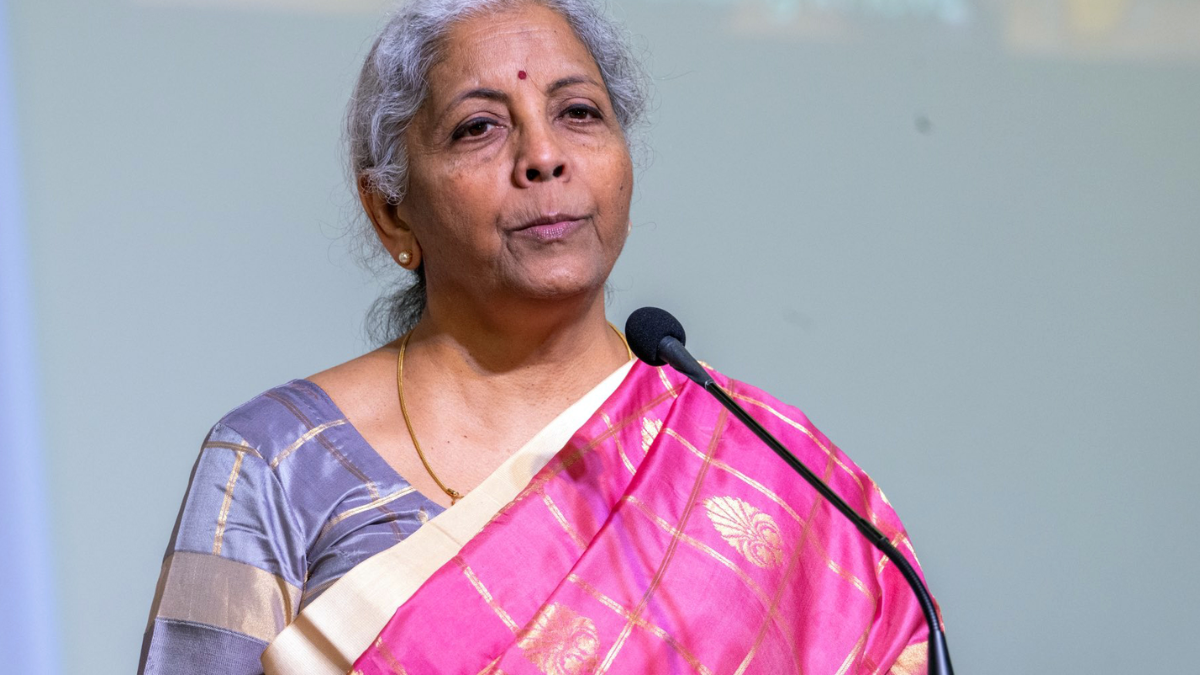
ആഗോള സമ്പദ്വ്യവസ്ഥയിലെ അനിശ്ചിതത്വങ്ങൾ നേരിടാൻ ഇന്ത്യ കൂടുതൽ കരുത്താർജ്ജിക്കണമെന്ന് ധനമന്ത്രി നിർമ്മല സീതാരാമൻ പറഞ്ഞു. കഴിഞ്ഞ നാല് വർഷത്തെ പ്രതിസന്ധികളെ രാജ്യം അതിജീവിച്ചത് മികച്ച സാമ്പത്തിക മാനേജ്മെന്റ് കൊണ്ടാണ്. വരും ദശകത്തിൽ തന്ത്രപ്രധാനമായ വിഭവങ്ങളുടെ സുരക്ഷയ്ക്കും വിപണികളുടെ സുഗമമായ പ്രവർത്തനത്തിനും മുൻഗണന നൽകുമെന്ന് അവർ വ്യക്തമാക്കി.
Finance Minister Nirmala Sitharaman on Saturday called for India to keep building resilience and design policy keeping in mind that uncertainty is now a standing condition of the global economy.
She said India has weathered the past four years of global shocks remarkably well, with its fundamentals intact and strong at 7.8% GDP growth in April-June and 4.82% CPI inflation in August, speaking at the Kautilya Economic Conclave in Delhi.
"For India, resilience means building upon the structural foundations laid over the past decade to accelerate and broaden growth. The test of the coming years will again be partly invisible: the shocks India absorbs without disruption to households and enterprises. That record is as much a measure of sound economic management as any growth figure," Sitharaman said.
While India has built this protection, it needs to look at what the coming decade of shocks will demand, Sitharaman said. "We need to keep building resilience as we go along; it is not a one-time exercise. The coming years call for preparation, and India approaches them from strength," she said.
The finance minister said India's priorities for the coming decade should include structural autonomy in strategic inputs for national security. "Strategic resource security sits at the centre of macroeconomic policy. Supply chains optimised for cost alone carry hidden fragility," Sitharaman said.
Global economic relationships must also remain open, predictable, and rules-based, she said. A more resilient global economy will require countries to diversify partnerships, keep markets open, honour commitments, and work together to keep the movement of goods, services, energy and capital as stable and predictable as possible, she said.
Global financial architecture must also reflect the economies where growth now lies and the work on strengthening multilateral development banks should translate into larger, faster and more predictable long-term finance for developing economies, Sitharaman said.
With artificial intelligence (AI) and frontier technologies reshaping workplaces and the competencies that employment demands, there is a need to equip young people entering the workforce and support those already employed to upgrade their skills, acquire new capabilities, and move into emerging roles, Sitharaman said.
The finance minister called on the industry to take a greater role in designing and delivering training, through stronger partnerships with educational institutions, apprenticeships and learning at the workplace.
She also called on the industry to lead the economic and investment cycle. "Private investment must now lead the cycle, including in research and innovation," Sitharaman said. India's expenditure on research and development (R&D) stands at 0.83% of GDP, compared with 2.7% for the OECD, while the private sector contributes only 36% of India's total R&D expenditure, she said. "Raising both the scale of investment and private sector participation is essential to strengthening our innovation capacity," Sitharaman added.