
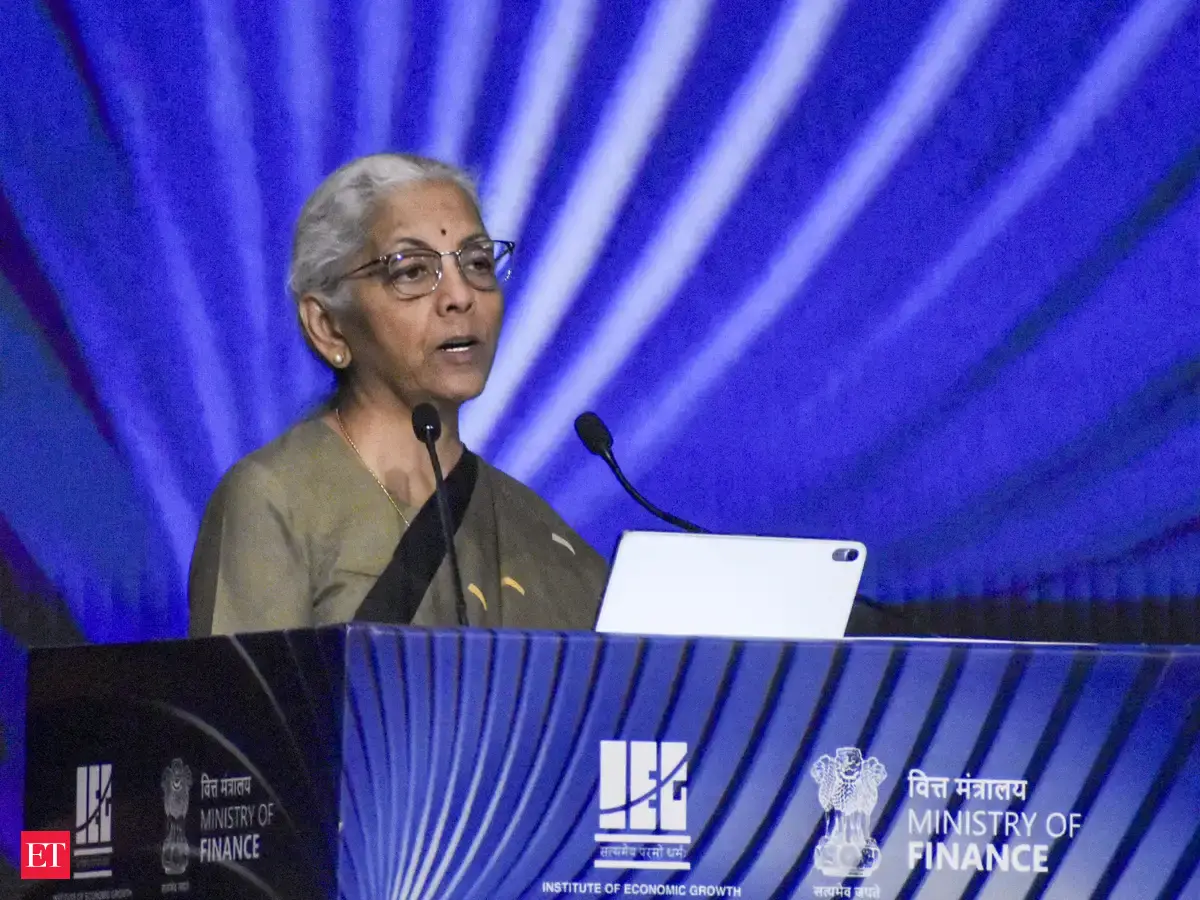
ആഗോള സാമ്പത്തിക അനിശ്ചിതത്വങ്ങൾക്കിടയിലും ഇന്ത്യയുടെ വളർച്ചയ്ക്ക് സ്വകാര്യ നിക്ഷേപം, തന്ത്രപ്രധാനമായ വിഭവ സുരക്ഷ, ആഗോള തുറന്ന സമീപനം, നൈപുണ്യ വികസനം എന്നിവ അനിവാര്യമാണെന്ന് ധനമന്ത്രി നിർമ്മല സീതാരാമൻ വ്യക്തമാക്കി. ഗവേഷണ രംഗത്ത് സ്വകാര്യ പങ്കാളിത്തം വർദ്ധിപ്പിക്കേണ്ടതിന്റെ ആവശ്യകതയും അവർ കൗടില്യ ഇക്കണോമിക് കോൺക്ലേവിൽ ഊന്നിപ്പറഞ്ഞു.
India's finance minister Nirmala Sitharaman highlighted strategic priorities to build resilience amid ongoing global economic uncertainty. She emphasized the importance of optimizing supply chains and fostering private sector investment for strengthening innovation. The minister noted that India's R&D expenditure is significantly lower compared to OECD countries, necessitating increased private participation. Sitharaman discussed the shocks faced in recent years and the importance of managing economic stability.
New Delhi: Strategic resource security, private investment, global openness and skill development are the four priorities for India to keep building resilience, finance minister Nirmala Sitharaman said Saturday, while terming uncertainty as a "standing condition".
Noting that India's resilience on display now "was built consciously, layer by layer, from 2014" with fiscal prudence giving continuity to the government's development commitments, she said: "Uncertainty is now a standing condition of the global economy, and policy must be designed around it. We need to keep building resilience as we go along; it is not a one-time exercise. The coming years call for preparation, and India approaches them from strength."
She was addressing the Kautilya Economic Conclave.
Stating that national security requires structural autonomy in strategic inputs, she said the focus should be on optimising supply chains to replace fragile single-source dependencies with domestic operational depth. She referred to India's focus on critical mineral and rare earth in this regard.
The minister insisted that nations should engage with one another through dialogue and negotiated agreements, rather than allowing geopolitical differences to become barriers to trade and investment and that global economic relationships must also remain open, predictable, and rules-based.
"International trade policy should provide greater certainty for businesses, respect national development priorities, and avoid unnecessary restrictions that fragment markets,"
Sitharaman said.
Calling for the private sector to lead the cycle of investments, she said: "Raising both the scale of investment and private sector participation is essential to strengthening our innovation capacity".
Sitharaman said that India's expenditure on R&D is 0.83% of GDP, compared with 2.7% for the OECD, while the private sector contributes only 36% of India's total R&D expenditure.
The Rs 1 lakh crore (about $ 11 billion) Research, Development and Innovation (RDI)
Scheme is designed to support this shift, as India moves from "Made in India" to "Imagined and Made in India", according to the minister.
Fiscal prudence, shocks
The finance minister listed fiscal prudence, focus on efficient 'last-mile delivery, fueling entrepreneurial spirit, infrastructure creation, sustained reform mindset and economic stability by managing prices, essential supplies and external pressures as some of
the ways in which the government has worked since 2014, to strengthen the capacities on which sustained development.
depends: the State's capacity to respond, the economy's capacity to produce, and the ability of citizens and enterprises to participate in growth.
She said that the shocks of the last four years have been primarily of two kinds- older vulnerabilities returned in sharper form with crude price spikes amid recurring instability in West Asia and tighter US monetary conditions with their pull on global capital flows, while global trade barriers are also going up.
The conflicts involving Russia-Ukraine, Iran and the disruption around the Strait of Hormuz, added a new kind of shock, one that threatened the physical movement of oil and gas as well as their prices, Sitharaman explained.
"And these shocks have arrived in a world with even thinner buffers, Sitharaman said, adding that India has come through this period "remarkably well with its fundamentals intact and strengthening" and the test of the coming years will again be partly invisible: the shocks India absorbs without disruption to households and enterprises.