
കഴിഞ്ഞ പത്ത് വർഷത്തെ സാമ്പത്തിക അച്ചടക്കവും അടിസ്ഥാന സൗകര്യ വികസനവും ഇന്ത്യയെ ആഗോള വെല്ലുവിളികളെ നേരിടാൻ പ്രാപ്തമാക്കിയെന്ന് ധനമന്ത്രി നിർമ്മല സീതാരാമൻ പറഞ്ഞു. ജൻധൻ-ആധാർ-മൊബൈൽ സംവിധാനങ്ങളും ക്ഷേമപദ്ധതികളും രാജ്യത്തിന്റെ സാമ്പത്തിക അടിത്തറ ഭദ്രമാക്കി. ഭാവിയിലെ പ്രതിസന്ധികളെ നേരിടാൻ തന്ത്രപരമായ സ്വയംപര്യാപ്തത അനിവാര്യമാണെന്നും അവർ കൂട്ടിച്ചേർത്തു.
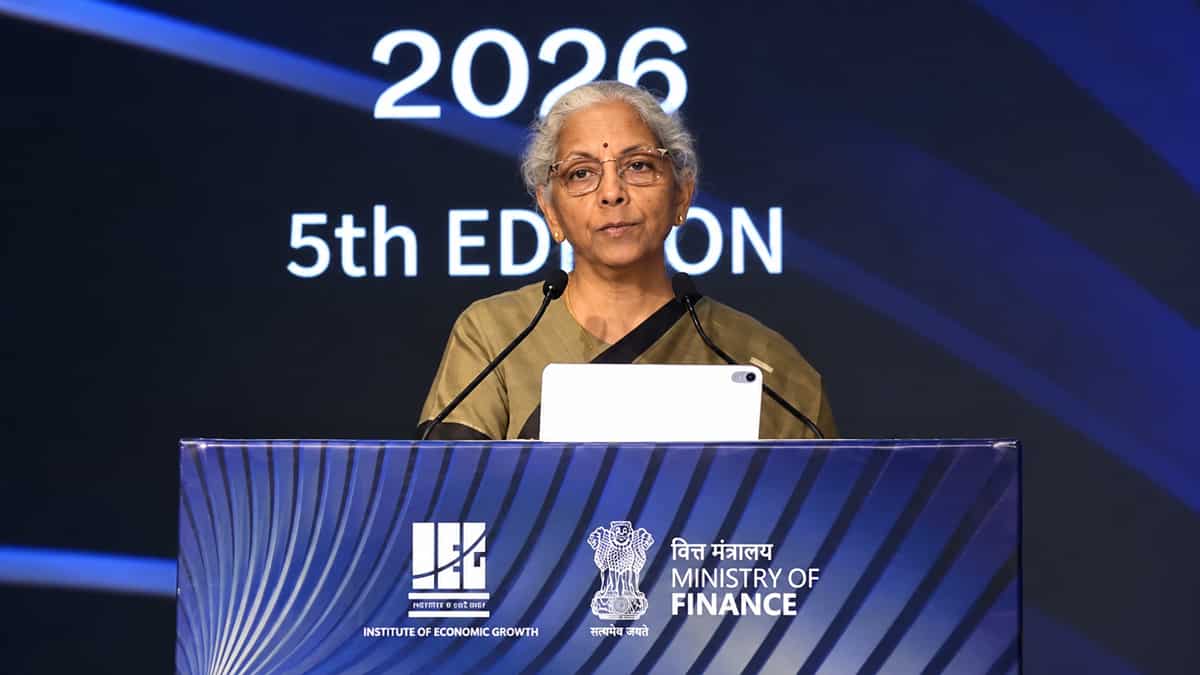
Finance Minister Nirmala Sitharaman has said India's economic resilience has been built over the past decade through fiscal prudence, infrastructure development, banking reforms and welfare delivery. Addressing the 5th Kautilya Economic Conclave in New Delhi on October 3, she stressed the need to strengthen strategic autonomy and prepare for emerging global challenges.
Sitharaman said economic resilience meant the ability to absorb shocks without losing the growth trajectory while retaining enough policy flexibility to respond to future disruptions.
She cited India's economic indicators, including real gross domestic product (GDP) growth of 7.8% in the first quarter of the 2026-27 financial year, consumer price index (CPI) inflation of 4.82% in August 2026, a current account deficit of 0.5% of GDP in the first quarter and foreign exchange reserves of about USD 766 billion.
Speaking at the conclave, Sitharaman said India had strengthened its economic foundations through a series of reforms and investments over the past decade.
She argued that resilience could also be seen in the economic disruptions that the country had managed to avoid. These included an inflation spiral, fuel shortages, banking stress and a forced fiscal correction.
Referring to Kautilya's Arthashastra, the Finance Minister cited the principle kosha-purvah sarva-arambhah, which means that all undertakings depend first on the treasury.
She said sound public finances gave the government the flexibility to respond when economic conditions deteriorated. Fiscal prudence, she added, remained an important foundation for managing future economic shocks.
Sitharaman highlighted the Jan Dhan-Aadhaar-Mobile (JAM) trinity and Direct Benefit Transfer (DBT) as important elements of India's economic resilience.
She also cited government initiatives such as Pradhan Mantri Awas Yojana, Swachh Bharat Mission, Ujjwala Yojana, Ayushman Bharat and food security measures.
According to the Finance Minister, these programmes formed part of the broader effort to improve welfare delivery and extend access to essential services.
She also highlighted the scale of lending under the Pradhan Mantri MUDRA Yojana, stating that more than 52 crore collateral-free loans had been sanctioned under the scheme.
On the banking front, Sitharaman pointed to reforms in the sector and said non-food credit grew by 18.8% in the year to August 2026.
The Finance Minister identified infrastructure creation as another foundation of India's economic resilience.
Capital expenditure for the 2026-27 financial year has been budgeted at Rs 12.22 lakh crore, she said. Public investment in infrastructure is intended to support economic activity and improve connectivity.
Sitharaman also highlighted the expansion of the national highway network, which she said had grown by about 61% since 2014. The number of operational airports had more than doubled over the same period, according to her remarks.
These developments formed part of the broader infrastructure push she cited while explaining how India had strengthened its capacity to withstand economic disruptions.
Looking ahead, Sitharaman identified strategic resource security, predictable global trade, skill development and greater private investment in research and innovation as key priorities.
She said India needed to reduce dependence on fragile, single-source supply chains, particularly for resources and technologies important to economic and industrial development.
Among the initiatives she cited were the National Critical Mineral Mission, Rare Earth Corridors, India Semiconductor Mission 2.0 and the development of small modular reactors.
The focus on strategic autonomy comes amid global challenges involving trade, resource availability and supply-chain vulnerabilities. Sitharaman stressed the importance of strengthening domestic capabilities while maintaining engagement with global markets.
Sitharaman said resilience was not a one-time exercise and that India would need to continue strengthening its economic foundations.
Her priorities included higher productivity, better employment opportunities, skill development and wider access to economic opportunities.
She linked these goals to the country's ambition of achieving Viksit Bharat by 2047.
The Finance Minister's remarks at the Kautilya Economic Conclave emphasised that maintaining economic stability would require continued reforms, investment and preparedness for external disruptions.