
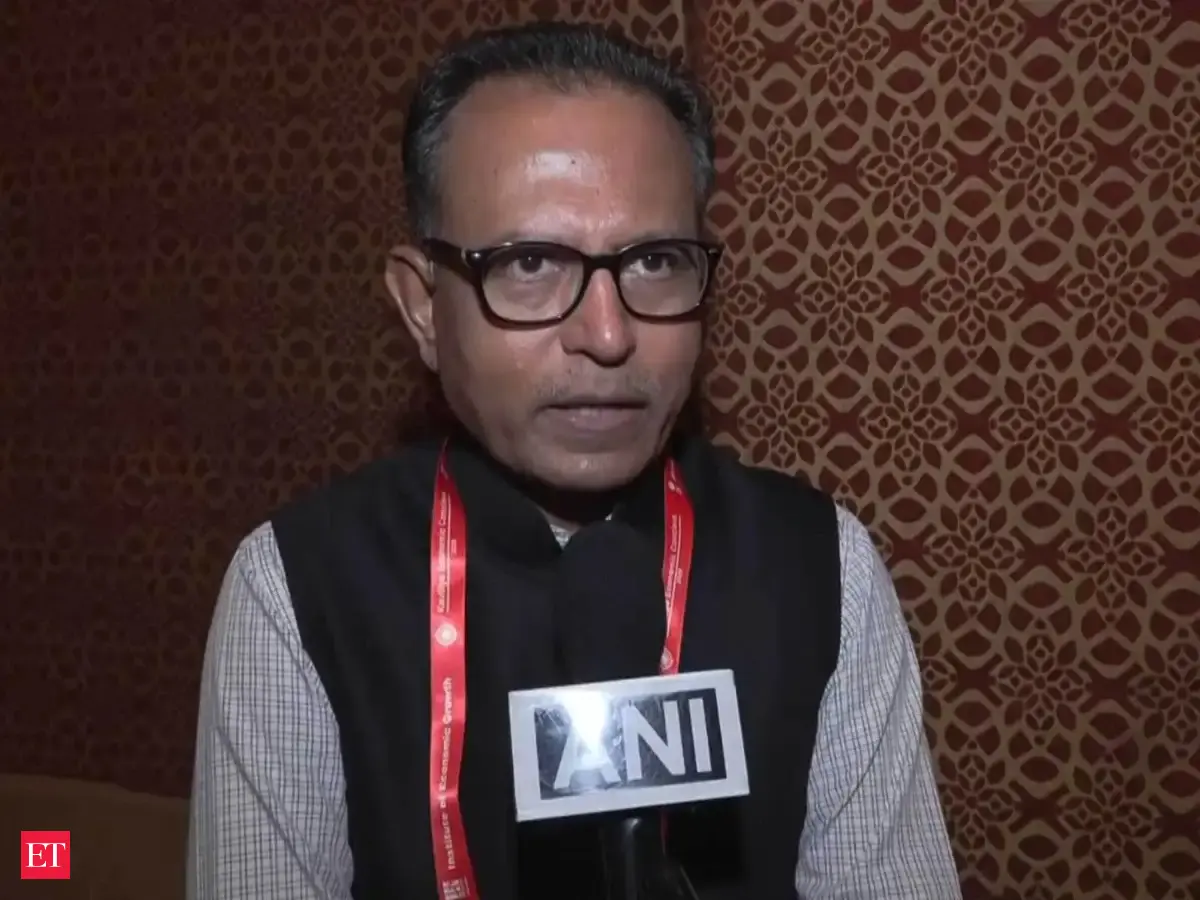
എണ്ണവിലയിലെ വർധനവും മഴക്കുറവും വെല്ലുവിളിയാണെങ്കിലും ഇന്ത്യയുടെ സാമ്പത്തിക വളർച്ച ഏഴ് ശതമാനത്തിൽ തുടരുമെന്ന് പ്രധാനമന്ത്രിയുടെ സാമ്പത്തിക ഉപദേശക സമിതി അംഗം നീലേഷ് ഷാ വ്യക്തമാക്കി. ആഗോള സാഹചര്യങ്ങൾ ആശങ്കയുണ്ടാക്കുന്നുണ്ടെങ്കിലും രണ്ടാം പാദത്തിലെ മികച്ച പ്രകടനം വളർച്ചാ നിരക്ക് നിലനിർത്താൻ സഹായിക്കുമെന്നും അദ്ദേഹം കൗടില്യ ഇക്കണോമിക് കോൺക്ലേവിൽ പറഞ്ഞു.
India is projected to experience approximately 7% economic growth this year despite higher oil prices and deficient rainfall. Nilesh Shah, a member of the Prime Minister's Economic Advisory Council, expressed optimism about the economic momentum. The rising oil prices are a key concern as they could impact inflation and economic growth. Shah highlighted the importance of managing the Unified Payments Interface costs for maintaining effective financial services.
New Delhi: India is likely to register around 7 per cent economic growth this year, with the momentum in the second quarter looking good despite concerns over higher oil prices and deficient rainfall, Nilesh Shah, Member of the Prime Minister's Economic Advisory Council, said on Saturday.
Speaking to on the sidelines of the 5th edition of the Kautilya Economic Conclave, Shah said he expected India's growth to remain around 7 per cent in the future.
"I think our growth will be around 7% in the future. The momentum of the second quarter is good. Obviously, there are concerns. Higher oil prices. Deficit of rain. But I expect 7% growth this year," Shah said.
On the possible impact of the ongoing West Asia crisis on the Indian economy, Shah said a rise in oil prices could affect the economy through multiple channels, including inflation, interest rates, the rupee, economic growth and corporate profitability.
"For us, the impact comes in different ways. When oil prices rise, inflation increases. Interest rates rise. The Rupee gets weak. Growth is impacted. Corporate profitability falls. So, there is an impact on earnings," he said.
Shah said the rise in oil prices was a key concern for the economy, referring to the potential impact across various economic indicators.
His comments came amid discussions at the Kautilya Economic Conclave on India's economic priorities and the challenges posed by global uncertainty.
Asked about the issue of Merchant Discount Rate (MDR) on
Unified Payments Interface (UPI) transactions, Shah said the government had stated that there was no MDR on transactions below Rs 2,000.
He described UPI as "one of the best intermediation products in the world", but said maintaining the system required financial resources.
"Now, to maintain it, money is needed. We will not be able to free it forever," Shah said.
Drawing a comparison with international card companies, he said users had earlier accepted charges imposed by international card companies, but questioned why a small charge for UPI should be viewed differently.
"If you want good service, then you will have to pay for it," he said, comparing the potential UPI charge with toll payments for maintaining roads.
"Similarly, if you want good UPI, then you will have to pay some MDR," Shah said.