
Visitors at Beijing Wildlife Park collected 70,000 caterpillars over two days to control the invasive fall webworm. Warmer winters helped these pests survive, leading to a massive outbreak this year. The larvae are now everywhere as they look for places to pupate, causing many people to notice them on trees.
At Beijing Wildlife Park, visitors recently took part in an unusual contest: catching caterpillars. Over two days, participants collected about 70,000 caterpillars, turning a pest-control effort into an unexpected hands-on lesson in urban ecology.
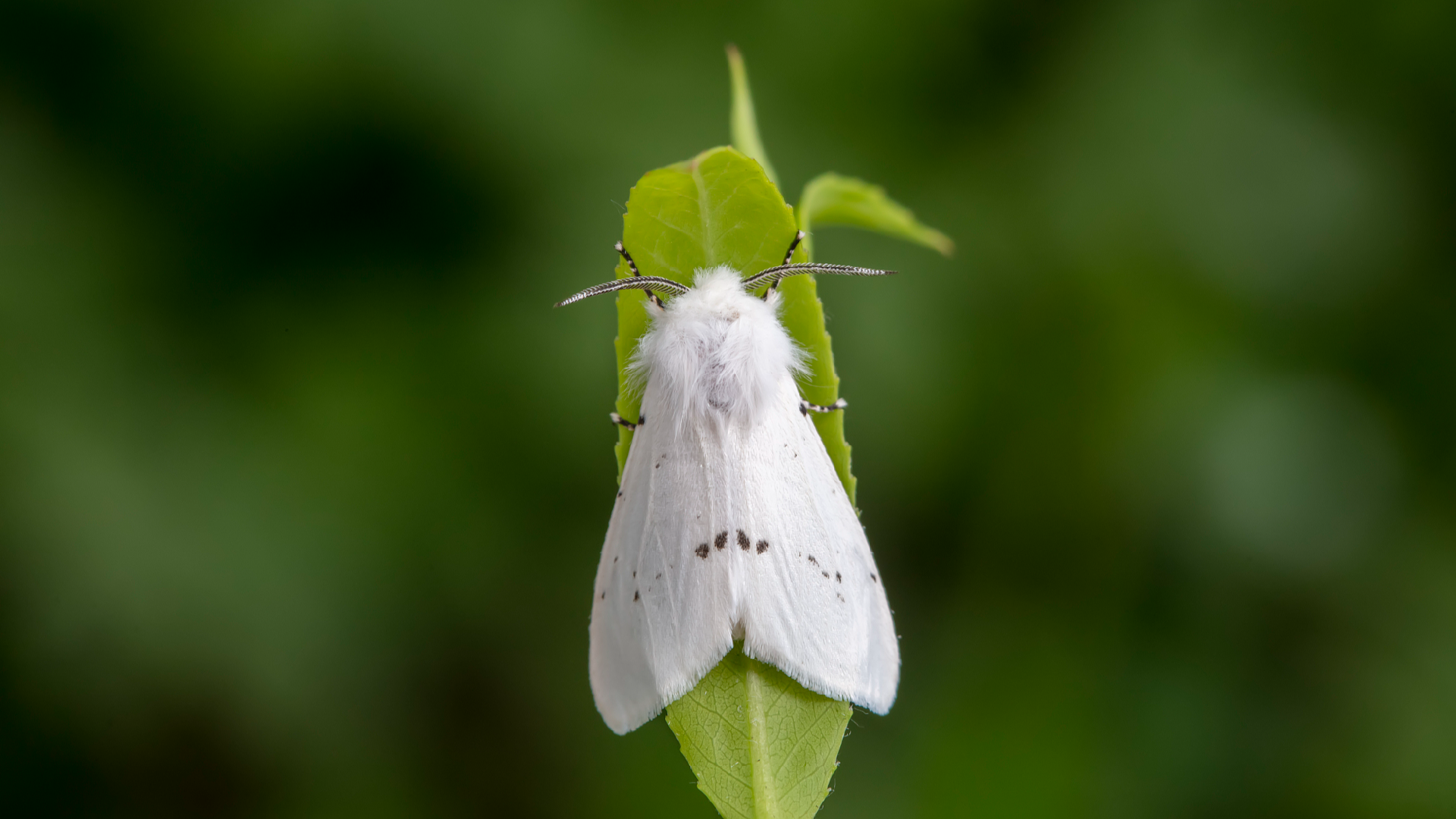
The caterpillars are the larvae of the fall webworm (Hyphantria cunea), an invasive moth native to North America. They live in groups and spin conspicuous silk webs around the leaves and branches where they feed. With more than 300 plant species as potential hosts, they can damage trees, fruit plants, flowers and crops. Heavy infestations can strip trees of their leaves, although the pest does not directly kill trees.
The timing also helps explain why the caterpillars seem to be everywhere. Beijing is currently experiencing the peak of the third generation of fall webworm. Mature larvae are leaving trees to find sheltered places to pupate, making them particularly visible on tree trunks, walls and the ground. In Beijing, the moth can produce three generations a year, with a female laying an average of 300 to 600 eggs, and up to 2,000 under favorable conditions.
Why has the outbreak been particularly noticeable this year? Experts point to several factors. Warmer winters have increased the survival rate of overwintering pupae, with surveys in some areas recording a survival rate of 84.2% this year, compared with 65.3% in 2023. Frequent summer rainfall also reduced suitable windows for spraying and could wash pesticides off foliage. Meanwhile, overlapping generations allowed new larvae to continue appearing after earlier batches had been controlled.