
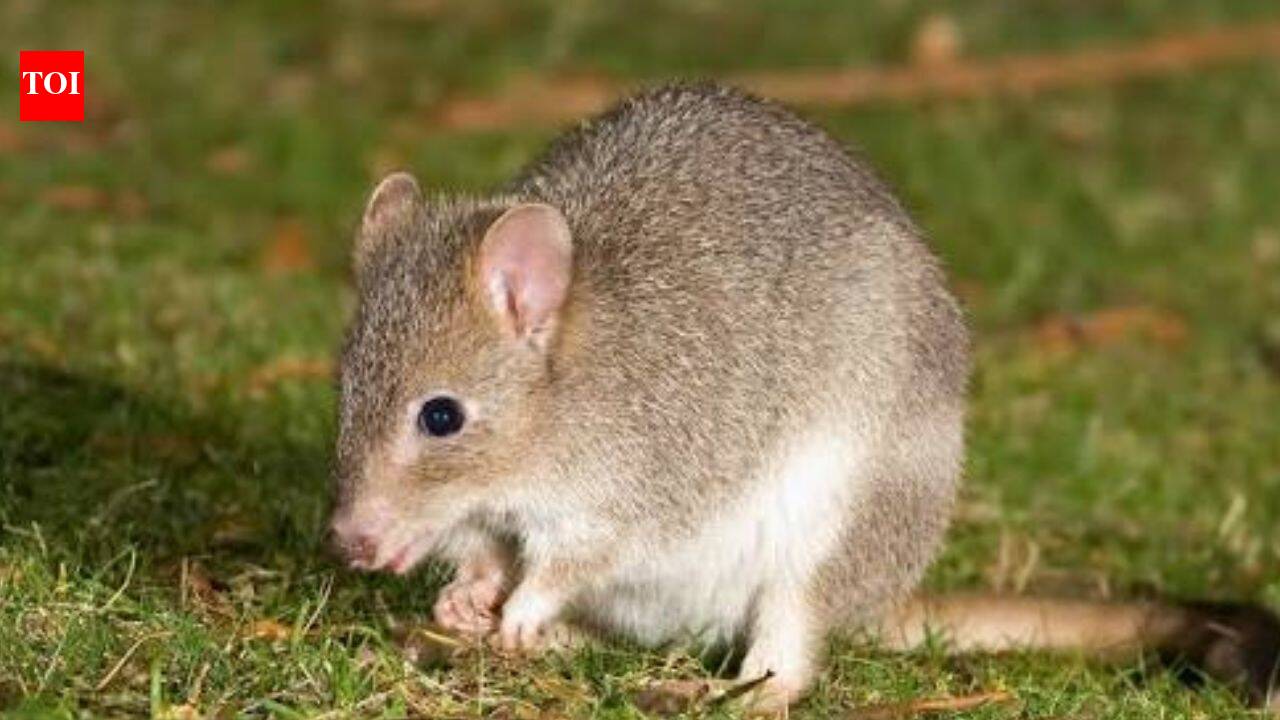
Australia released 17 threatened rufous bettongs into a predator-free reserve at Ngambaa Nature Reserve. These digging marsupials help restore the forest ecosystem by turning over soil and spreading nutrients. David Kelly said, "returning rufous bettongs to Ngambaa Nature Reserve would help restore an important ecosystem engineer to the landscape."
A threatened native species is returning to Ngambaa Nature Reserve on the NSW mid-north coast, with 17 adult rufous bettongs released into a feral predator-free area. The NSW National Parks and Wildlife Service, Aussie Ark and the University of Newcastle carried out the first state-wide wild release of the species. The group includes 10 males and 7 females, which were translocated from Aussie Ark's Barrington Tops facility in NSW.According to the NSW Government's Environment and Heritage, they form the first cohort of approximately 30 rufous bettongs planned for reintroduction to Ngambaa Nature Reserve over the next 18 months. The nocturnal marsupials are the largest members of the potoroo family. They also play an important ecological role by digging and turning over soil and helping disperse fungi and nutrients.The first release brings 17 adult rufous bettongs to Ngambaa Nature Reserve. The animals were translocated from Aussie Ark's Barrington Tops facility after years of careful planning and preparation. The group includes 10 males and 7 females. This is the first release under the partnership and marks a state-first release involving the NSW National Parks and Wildlife Service, Aussie Ark and the University of Newcastle. The 17 animals form the first cohort of approximately 30 rufous bettongs that are planned to be reintroduced to the reserve over the next 18 months. The release took place in a feral predator-free area at Ngambaa Nature Reserve, on the NSW mid-north coast. The project returns the threatened native species to a protected area.Rufous bettongs are small, nocturnal marsupials and the largest members of the potoroo family. They have an important ecological role because they dig and turn over soil while helping disperse fungi and nutrients. These activities support healthier forest and woodland ecosystems. Recent surveys indicate a significant reduction in the distribution and abundance of rufous bettongs in NSW, where they were previously well-known to occur.The species is therefore being returned as part of a broader effort to rebuild healthier ecosystems in parks. NPWS Manager Threatened Species, Feral Free Areas and Koalas David Kelly said returning rufous bettongs to Ngambaa Nature Reserve would help restore an important ecosystem engineer to the landscape while contributing to the long-term security of the species.The rufous bettongs are being monitored in Ngambaa Nature Reserve through cameras, remote microchip scanners and health checks after release. The project is part of NPWS' 10 feral predator-free area sites, which span more than 60,000 hectares. These sites aim to support the conservation of more than 50 threatened native species across NSW. They also include plans for the re-establishment of nearly 30 species that are now either extinct in NSW or in local ecosystems.The feral predator-free areas in NSW were established to protect and restore some of Australia's most vulnerable threatened native animals in NSW from the impacts of feral cats and foxes. This work forms part of NPWS' commitment to zero extinctions in NSW parks.The rufous bettong is the second species to be returned to Ngambaa Nature Reserve. It joins a population of Parma wallabies that were reintroduced to the area last year. The rufous bettong release comes after years of planning and preparation by the NSW National Parks and Wildlife Service, Aussie Ark and the University of Newcastle.Aussie Ark said the 17 adults had been successfully conditioned for the wild after living in its 400-hectare feral-proof Barrington Wildlife Sanctuary. The release is part of a wider conservation effort focused on threatened native animals.