
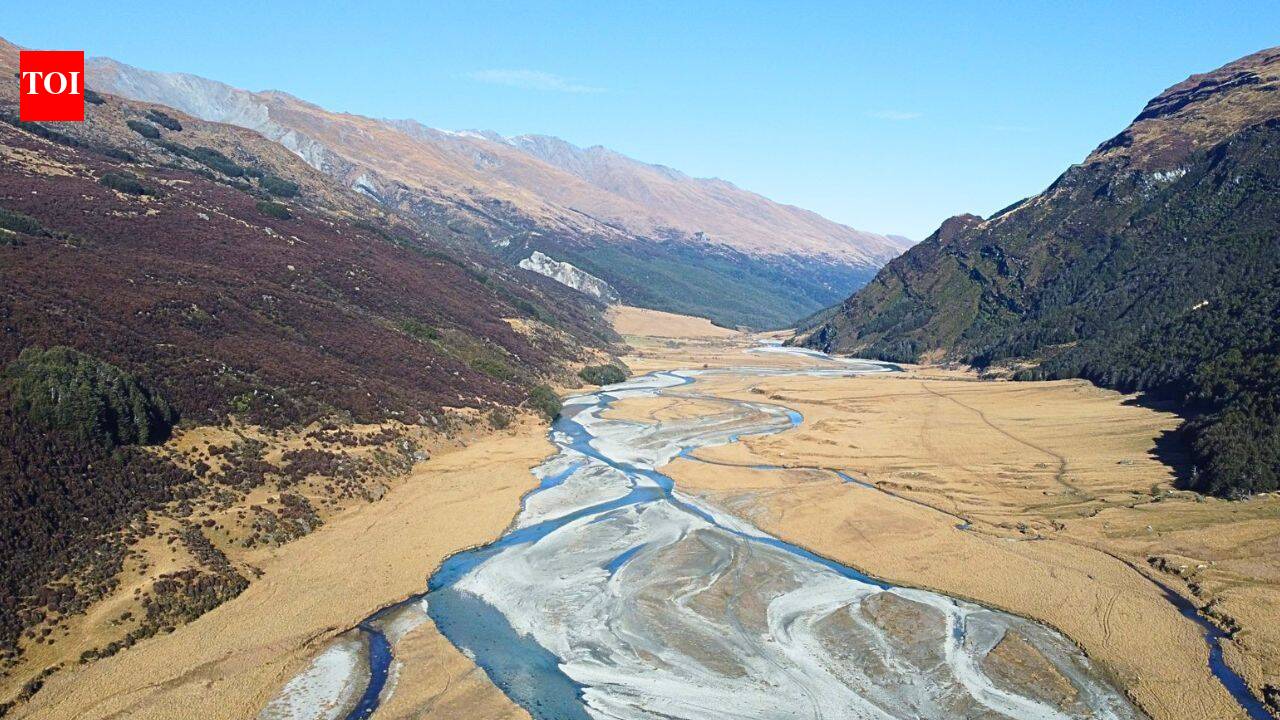
New Zealand returned 86 takahē to Rees Valley since February 2025, creating the largest wild population outside Fiordland. These birds already started breeding in the wild, showing the valley supports them well. This project helps the threatened species grow, while other native wildlife like whio also returned to the area.
The Rees Valley in Aotearoa New Zealand is now home to the largest wild population of takahē beyond Fiordland's Murchison Mountains, where the species has its original stronghold. Since the first takahē were released into the valley in February 2025, a total of 86 birds have been returned there. The conservation effort has already reached an important milestone, with the birds that have started breeding naturally in the wild.According to Southern Lakes Sanctuary, the return is part of a wider effort to establish new populations of the nationally threatened species across the Upper Whakatipu. The Rees Valley is also seeing the return of other native wildlife as restoration work continues.The first takahē were released into the Rees Valley in February 2025. Since then, 86 birds have been returned to the landscape, creating the largest wild takahē population beyond the takahē's original stronghold in Fiordland's Murchison Mountains. The birds have already begun breeding in the wild, providing an important sign that the valley can support a thriving population.The Rees Valley population follows the return of takahē to the nearby Greenstone Valley in 2023. Together, the two populations are helping establish the wider Upper Whakatipu as one of the most important strongholds for takahē in New Zealand. Around 300 takahē now live in the wild across New Zealand, but the species remains nationally threatened and still requires active management and predator control.The Rees Valley, located at the head of Lake Whakatipu Waimāori, is one of the Southern Lakes' most ecologically significant landscapes. It brings together alpine tussocklands, braided rivers, wetlands and beech forests, creating diverse habitats for threatened native species and an important biodiversity corridor through the Upper Whakatipu.The restoration work is also helping other native wildlife return to the valley. Whio have returned to parts of the valley after around 50 years, while weka are beginning to reappear in areas where they were previously absent. Their return is part of wider conservation efforts across the landscape, which include predator control and long-term restoration work.The return of takahē to new landscapes is an important part of securing the species' future. For decades, the Murchison Mountains were the only place where takahē survived in the wild. Establishing populations in areas such as the Upper Whakatipu is intended to build greater resilience for the species. The Rees Valley is proving to be an exceptional habitat, according to DOC Takahē Recovery Project Lead Jason van de Wetering. He also said success at this scale depends on sustained predator control and strong partnerships over many years. The birds beginning to breed in the wild so quickly is another important development.The return of takahē to the Rees Valley is part of a partnership involving DOC, Ngāi Tahu, Southern Lakes Sanctuary, Routeburn Dart Wildlife Trust, landowners and community volunteers. Funding and support have also come from philanthropic organisations, businesses, community groups and other partners.Southern Lakes Sanctuary Chief Executive Paul Kavanagh said the milestone reflects years of sustained predator control and landscape-scale conservation work. He also noted that protecting and restoring landscapes at this scale requires ongoing commitment, long-term funding partnerships and continued community support.The takahē was rediscovered in 1948 after being believed extinct for almost 50 years. Its population has since increased to around 500 birds across New Zealand, but the species remains nationally threatened and still needs active management.