
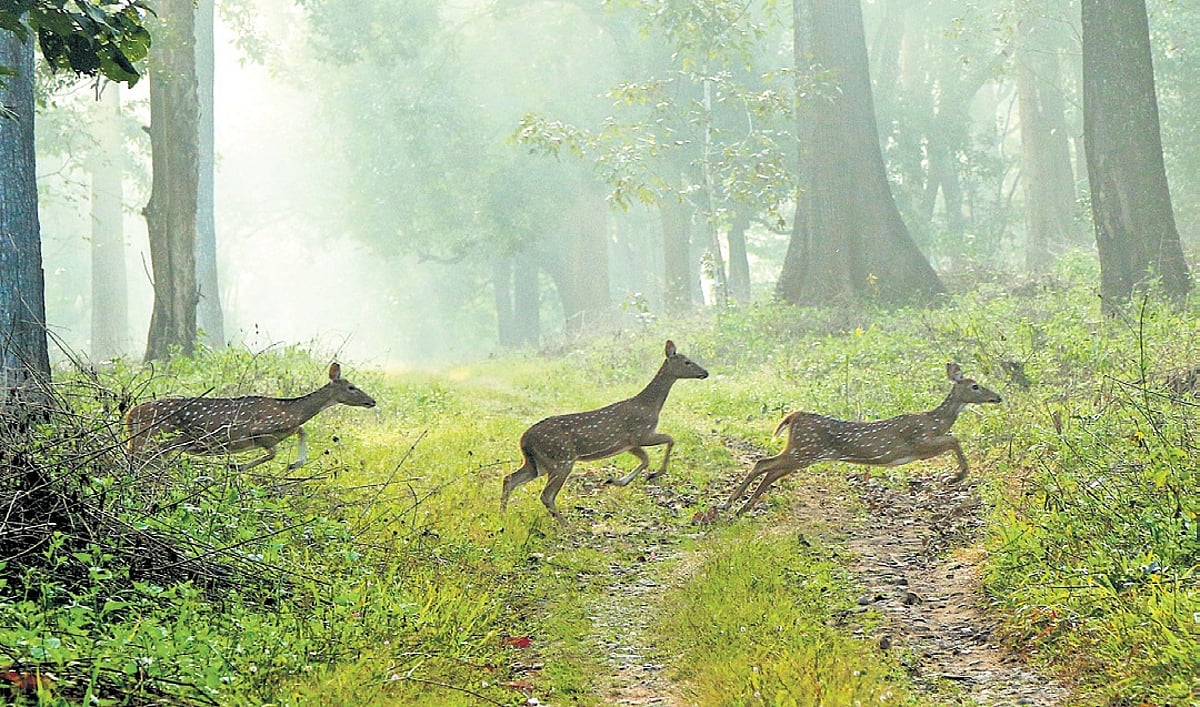
Wayanad recorded an average temperature of 29.2°C between September 1 and 17 this year, up from 27.3°C in 2023. Experts said the rising heat threatens local forests, water sources, and coffee crops. “The water table could decline rapidly as groundwater levels fall,” warned director C K Vishnudas regarding the changing climate.
KALPETTA: Wayanad, once known for its cool climate, is witnessing a rise in temperatures that threatens to change the district’s ecological and agricultural landscape.
The increasing heat, coupled with changing rainfall patterns and dry spells, has raised concerns over its forests, water sources and farming sector.
According to data from the Kalpetta-based Hume Centre for Ecology and Wildlife Biology, Wayanad recorded an average temperature of 29.2°C between September 1 and 17 this year, compared with 27.3°C during the same period in 2023.
The maximum temperature remained above 30°C for seven days, from September 11 to 17, peaking at 30.7°C on September 15. The highest temperature recorded in the district so far this year was 34.4°C on April 18.
Director of the Hume Centre, C K Vishnudas, warned that the rising temperatures could affect Wayanad’s forests, ecological balance and agriculture. “The water table could decline rapidly as groundwater levels fall,” he said.
The changing weather patterns are also affecting coffee cultivation, which depends on a delicate balance between rainfall and dry spells for flowering and fruiting. Coffee plants that typically flower between December and February have flowered as early as September this year. Vishnudas pointed to the strong El Niño phenomenon while discussing the changing conditions and the unusual flowering pattern.
The 2024 Mundakkai-Chooralmala landslide disaster highlighted Wayanad’s vulnerability to extreme weather events. The district’s future climate could be marked not just by rising temperatures or drier conditions, but by extreme heat, torrential rain and severe droughts between periods of intense rainfall, he said.
The changing climate also poses risks to public health. The temperature difference between 20°C at night and 30°C during the day can cause health problems, including dehydration. Outdoor workers, older people and children are particularly vulnerable to such temperature fluctuations.
Rising temperatures could also reduce livestock productivity and force wildlife to alter their migratory paths in search of water and shade. Meanwhile, the decline in agricultural land and paddy fields, alongside the expansion of concrete structures and cleared areas, is adding to concerns.