
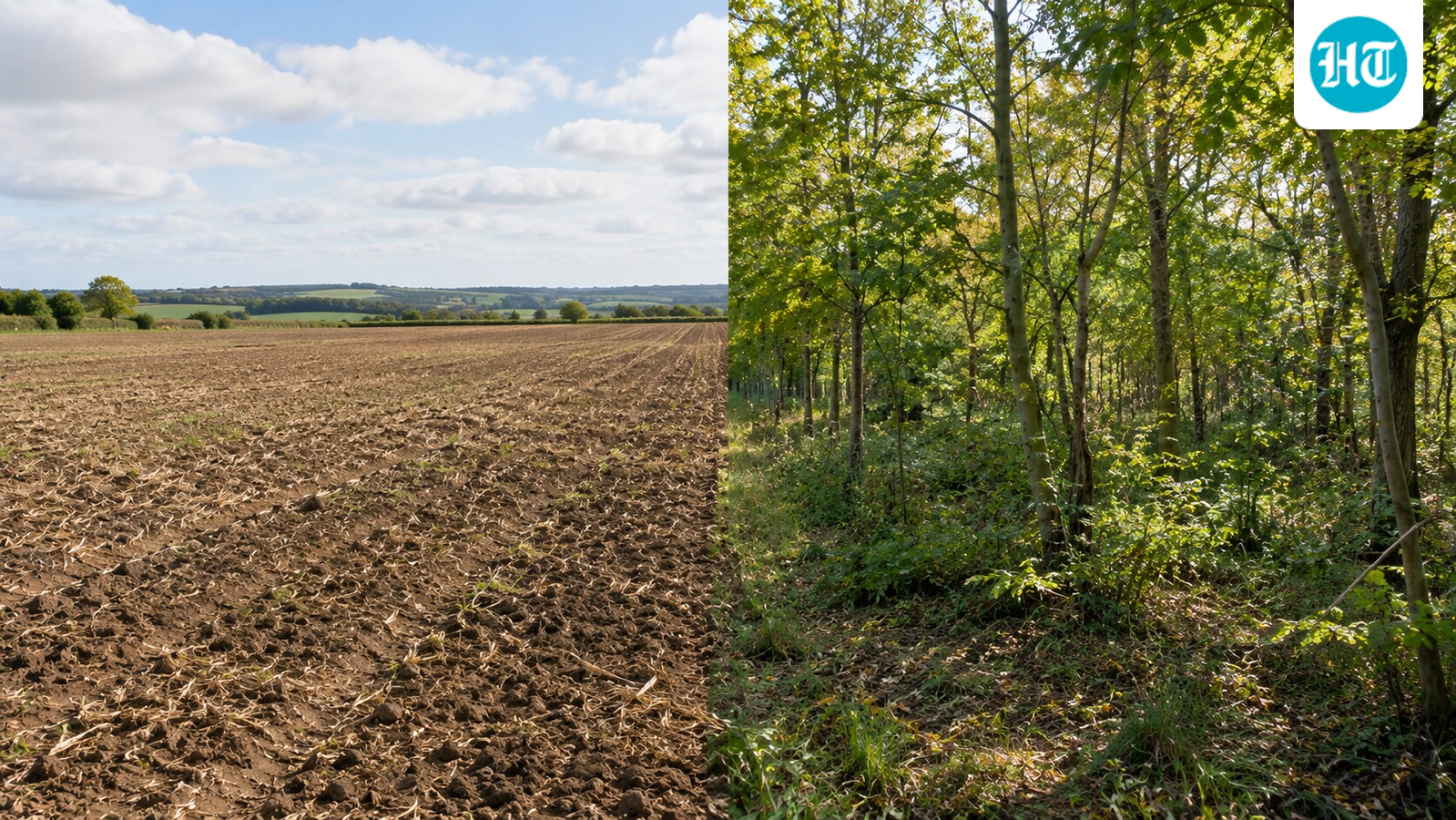
In 1999, Britain planted a new forest on farmland in Kent. A study showed that 25 years later, the soil still carried a farming legacy. Researchers found that chemical levels and plant communities remained different from nearby ancient woods. The site still holds traces of its past agricultural use today.
A young forest can look far removed from the farmland that once occupied the same ground. But a 25-year-old woodland on the Hucking Estate in Kent, England, still showed traces of its agricultural past in its soil and plant communities. A study published in Forest Ecology and Management by Julija Fediajevaite, Brian Pickles and colleagues examined how the former farmland changed between 2001 and 2024.
The site had been under cultivation since at least 1786 and was previously used as a linseed plot, with lime and fertilizer added to the soil. It was replanted with oak, ash, hornbeam, small-leaved lime, hazel and hawthorn in 1999. The researchers recorded flora in 47 plots between 2001 and 2024, collected soil samples in 2002, 2012 and 2024, and compared the results with 22 nearby woodland plots that had remained wooded for at least 1,600 years.
The soil retained a clear chemical difference from that of the long-established woods. Across the study period, the formerly farmed soil had an average pH of 6.75, close to neutral, while the long-established woodland soil had an acidic pH of 4.47. The gap narrowed over time, from 2.93 in 2002 to 1.73 in 2024, but remained substantial. The former field also had higher phosphorus levels and lower total nitrogen and carbon than the older woodland soil. The researchers linked these differences to the site's previous lime and fertilizer treatments.
The plant communities showed a similar transition. Grassland and other non-woodland species were initially common in the young planting, but none were recorded there by 2024. Generalist species remained, while woodland specialists did not appear in the planted plots during the study period. Bluebell and wood anemone, by contrast, were found in the older woods nearby. Buddleia, cherry laurel and cotoneaster occurred only among the new trees. The plant community nevertheless moved toward the composition of the older woodland, while plant diversity remained higher in the planted plots, although the difference narrowed over time.
The fungal communities also differed between the two woodland types. The planted plots contained an average of 7.63 more ectomycorrhizal fungal species, which form partnerships with tree roots, than the older woods. Yet the communities remained distinct, with woodland type accounting for about 15% of the variation. A higher number of fungal species therefore did not mean that the young and old woodlands had the same species composition.
The findings are relevant to Britain's goal of creating 200,000 hectares of woodland on poor-quality farmland by 2050. The researchers suggested that woodland planners consider the proximity of new plantings to ancient woodland, allow sufficient time for specialist plants and fungi to establish, and account for the previous history of the soil. The study covered a single woodland in southeast England, however, so the researchers noted that the results may not apply in the same way elsewhere.
A 2025 study published in Nature Ecology & Evolution examined the issue across a much larger area. Led by Tom Bradfer-Lawrence in collaboration with Kirsty Park, the research covered 134 woodlands in farming landscapes in England and Scotland. The woodlands ranged from 10 to more than 250 years old, and the researchers examined 373 species of ground beetles, birds, plants and small mammals.
The study found that woodland wildlife was shaped by a combination of present-day surroundings, including nearby tree cover and farming intensity, and changes in the landscape over the previous century. Woodlands surrounded by more old woodland and areas with less historical woodland loss tended to support more bird and plant species but fewer beetle species. Individual factors often had modest effects, but their combined influence was stronger, while larger woodlands generally reduced the effects of intensive farming nearby.
Together, the studies suggest that planting trees can change a landscape substantially without immediately erasing the ecological effects of its previous use. The young woodland at Hucking had developed its own plant and fungal communities by 2024, but its soil still differed chemically from that of the ancient woods nearby. The broader study similarly showed that the history and surroundings of a woodland can continue to influence the wildlife it supports.