
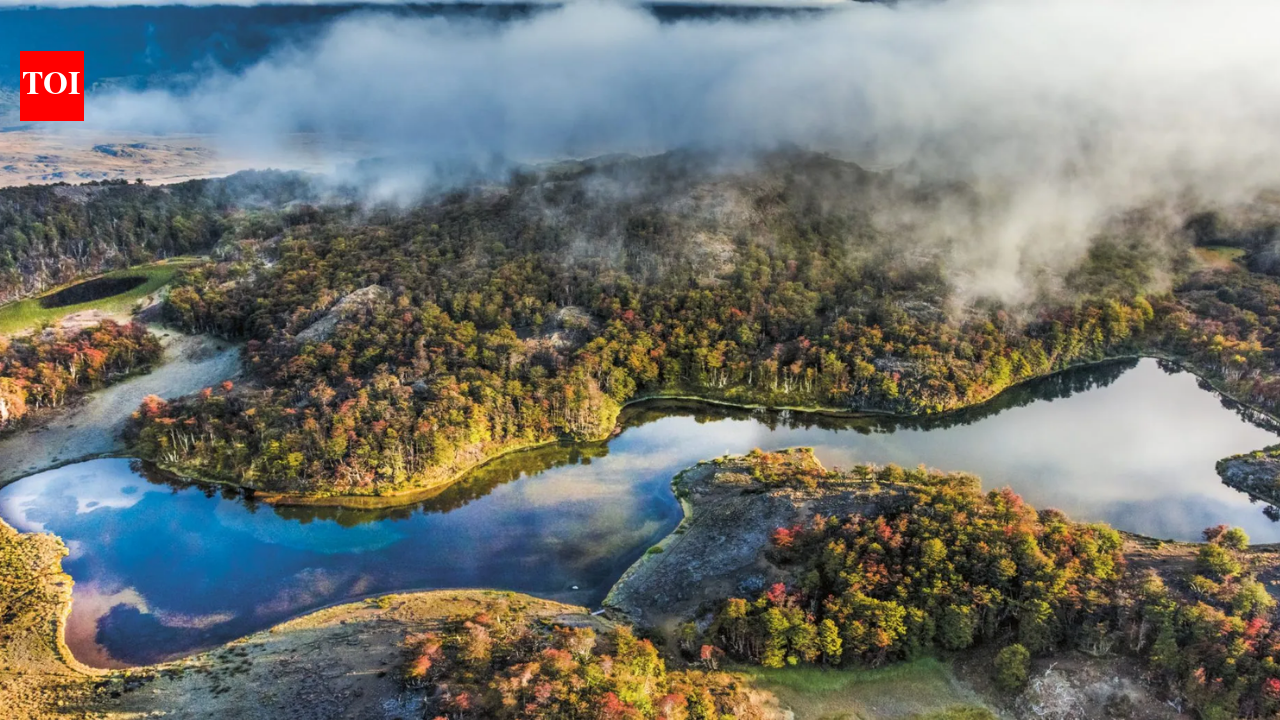
In 2004, Kris Tompkins’ organisation acquired a 174,500-acre Chilean ranch to restore its grasslands and wildlife. The land became part of Patagonia National Park in 2018. This conservation effort helped protect nearly 15 million acres across Chile and Argentina, as the team removed livestock and fencing to support native habitats.
A vast Chilean ranch once used for livestock farming took a different path when Kris Tompkins arranged for her nonprofit, Conservación Patagónica, to acquire the property in 2004. The conservation project aimed to restore its grasslands, bring back native wildlife and protect the landscape for future generations. According to Tompkins Conservation, the ranch became a central part of Patagonia National Park, which was established in 2018 through a process that combined donated private land with existing protected areas. The project formed part of a much wider conservation initiative across Chile and Argentina, where the couple's conservation work has helped protect nearly 15 million acres.
From a livestock ranch to a restoration project
The property was located in Valle Chacabuco, in Chile's Aysén region, an area known for its open grasslands, rivers and mountain landscapes. Before conservation work began, the land had been used for livestock grazing, which had affected parts of the natural environment. Douglas Tompkins, co-founder of The North Face and Esprit, and Kris Tompkins, former chief executive of Patagonia, pursued conservation in the region, with Kris arranging for her nonprofit, Conservación Patagónica, to acquire the ranch in 2004.
They saw an opportunity to protect a large stretch of Patagonia by restoring its ecological systems rather than continuing conventional ranching.
The work involved removing livestock from the property and taking down hundreds of miles of fencing. With grazing pressures reduced, the grasslands could begin recovering, while the removal of barriers helped wildlife move more freely across the landscape. The project was not simply about setting land aside. It involved actively repairing damage caused by decades of human use and creating conditions in which native habitats could recover.
Restoring grasslands and protecting native wildlife
The conservation effort focused on bringing the landscape closer to its natural state. Valle Chacabuco contains grasslands, wetlands, rivers, forests and mountain habitats, each supporting different forms of wildlife. Patagonia National Park is home to species including the endangered huemul deer, pumas, Andean condors and Darwin's rheas. The huemul, a native deer of the Andes, is particularly important to conservation programmes because its population has declined significantly.Protecting habitat is essential for species that need space to feed, breed and move between different areas. Removing livestock and fencing helped create a more connected landscape, while ongoing conservation work supports the recovery of native ecosystems. The project also reflects a broader approach to rewilding, which focuses on restoring ecological processes and allowing native species and habitats to recover. Rather than managing the land primarily for livestock, the goal was to create an environment in which wildlife and natural vegetation could thrive.
How the ranch became part of Patagonia National Park
The next stage was to ensure that the restored landscape would receive long-term protection. In 2017, Tompkins Conservation and the Chilean government formalised an agreement that began the process of donating private land and creating or expanding national parks. Patagonia National Park was established in 2018, combining donated land with existing protected areas. The ranch purchased in 2004 became a central part of this larger landscape.Transferring land to public protection meant that conservation could continue beyond the original owners' involvement. The park also opened opportunities for visitors to experience Patagonia's natural environment through hiking, wildlife watching and other outdoor activities. In a May 2024 interview with AFAR, Kris Tompkins discussed the importance of parks and rewilding, including the need to build relationships with local communities. Long-term conservation depends not only on protecting habitats but also on ensuring that nearby residents understand the value of the parks and can benefit from their presence. Tourism, when managed responsibly, can support local economies while encouraging greater appreciation of the natural environment.
A conservation effort spanning nearly 15 million acres
Patagonia National Park represents one part of a much larger effort by the Tompkinses to protect land across Chile and Argentina. Through their conservation organisations, they worked to acquire ecologically important properties, restore damaged landscapes and transfer land to governments for permanent protection. Tompkins Conservation says its wider conservation work has helped protect nearly 15 million acres, including through the creation and expansion of national parks. The projects cover a range of environments and wildlife habitats, extending beyond the original ranch in Chile.Douglas Tompkins died in a kayaking accident in 2015, but Kris Tompkins has continued the conservation work. Organisations including Tompkins Conservation, Rewilding Chile and Rewilding Argentina remain involved in protecting landscapes and supporting ecosystem restoration. In April 2024, Patagonia published Patagonia National Park: Chile, a book featuring photography and personal accounts documenting the park's landscapes, wildlife and transformation from a former livestock ranch into protected parkland.The transformation of the Valle Chacabuco ranch demonstrates how private land purchases, ecological restoration and public protection can work together. What began with a ranch acquisition in 2004 ultimately contributed to a national park, helping secure Patagonia's grasslands and wildlife as part of a wider conservation legacy.