
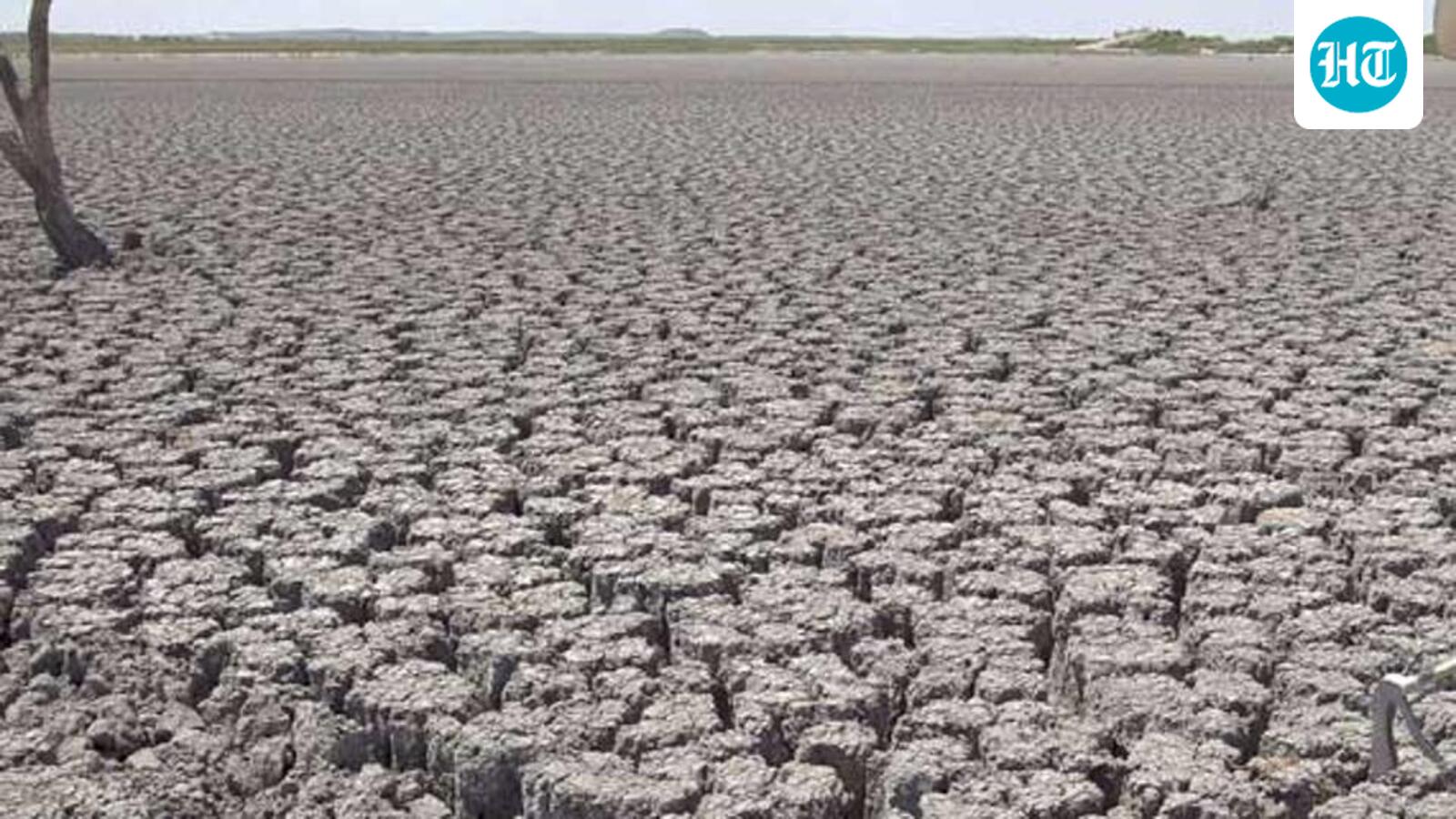
Drought across 265 talukas in Maharashtra is putting financial pressure on farming families supporting students in Pune. Many students now face delayed money from home and tighter budgets. Jamuna Solanki said, “Everything we invested is lost.” Some students are taking up part-time work or cutting costs to continue their education.
PUNE:
As Maharashtra grapples with drought across 265 talukas, crop losses are beginning to put additional financial pressure on some farming families supporting children studying in Pune, with the students reporting delayed money from home, tighter household budgets and, in some cases, the need to take up part-time work.
While the situation is not uniform among students from drought-affected areas, for those whose families depend largely on farming, Kharif crop losses have made it harder to meet expenses outside the village. So much so that some students are now trying to reduce their living costs or find alternative sources of income while continuing their education.
Jamuna Solanki from Jalgaon Jamod in Buldhana district is seeking an education loan of nearly ₹6 lakh to pursue her MBA after her family’s soybean crop failed. Her father recently met with an accident, leaving her mother to manage their one-acre farm. “This year, we invested whatever money we had in cultivating soybean but the crop failed and we could not even recover the money we spent. Everything we invested is lost,” Solanki said. She has also applied for the ‘Earn and Learn’ scheme so that she can work while studying.
Vanita Torave from Someshwar Murum who is pursuing an M.Com. at S P College, said that her parents have asked her to return home as they are finding it difficult to continue supporting her living expenses in Pune. Her family has one acre of land where it grows sugarcane and has suffered losses this year. Torave has had to ask her landlord for additional time to pay rent. She has also been trying to cut down on food expenses. “I do not want to discontinue my education, but managing basic expenses has become more difficult this year,” she said.
Avdhoot Mali from Ekurga village in Latur, who is pursuing an MA in geography at S P College and preparing for the UPSC examination, has been forced to work part-time at a mall alongside his studies. His family owns four acres of land where they cultivated soybean but the crop failure has sharply reduced their income. He also receives one meal a day through a food scholarship scheme, helping him reduce his food expenses. “I cannot go back home because there is no water for farming and there is no real source of income there. For me, education is the only way forward, so I am trying my best to stay here and continue studying,” Mali said.
These student experiences come even as the state government has declared drought in 265 out of its 358 talukas across 34 districts following activation of the first trigger under the drought management code based on rainfall deficit and other indicators during the 2026 Kharif season. The affected areas include large parts of Marathwada and Vidarbha as well as parts of western Maharashtra, where a significant number of farming households depend on the Kharif crop for their annual income.
For students who have moved to Pune, drought has created a financial disconnect: their education and living expenses continue in the city even as the agricultural income that supports them is disrupted at home.
The government’s drought-relief package includes several measures aimed at affected families, including concessions in land revenue, restructuring of crop loans, suspension of recovery of agriculture-related loans, concessions on electricity bills for agricultural pumps above 7.5 horsepower, relaxation of norms for works under the Mahatma Gandhi National Rural Employment Guarantee Scheme, drinking water arrangements, and measures to ensure adequate foodgrains and fodder.
The higher and technical education department has also directed universities and colleges to take additional measures to ensure that students from drought-affected areas do not discontinue their education because of financial difficulties.
Higher and technical education minister Chandrakant Patil held an online review meeting with vice-chancellors, pro-vice chancellors, registrars and principals of colleges under public universities in the state. Additional chief secretary Venu Gopal Reddy and director of higher education Shailendra Deolankar were also present at the October 1 meeting.
Patil asked institutions to extend support to students and colleges in areas more severely affected by drought and directed the department to monitor such initiatives. A separate cell will be established at the directorate of higher education and each university will set up a task force. The assistance and initiatives undertaken by colleges will be documented and reviewed every 15 days.